Quantitative Easing Explained
Introduction to Monetary Policy
Managing the Economy's Engine
Every country's economy is like a complex engine. For it to run smoothly, someone needs to manage the flow of fuel—in this case, money. That's the job of a central bank, and its primary method for doing this is called monetary policy. In the United States, the central bank is the Federal Reserve, often just called the Fed.
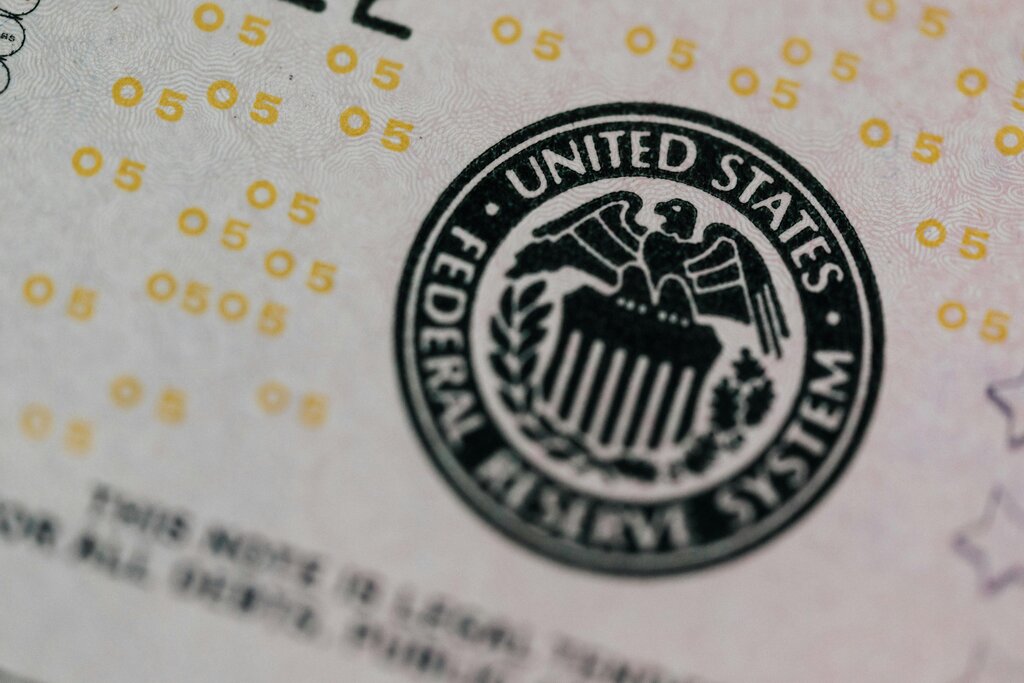
Monetary policy is all about managing the amount of money and credit available in an economy. By adjusting the money supply, a central bank can influence economic activity, aiming to steer the country away from recessions and unchecked price increases.
The Goals of Monetary Policy
Central banks don't just print money for fun. They have specific, crucial goals. In many countries, these objectives are often referred to as a "dual mandate": keeping prices stable and achieving maximum employment.
Price Stability: This means keeping inflation in check. When prices for goods and services rise too quickly, the value of your money decreases. You can't buy as much with the same dollar. By managing the money supply, central banks aim for a small, steady amount of inflation, which is considered healthy for a growing economy.
Maximum Employment: This goal is about fostering an economic environment where everyone who wants a job can find one. When the economy is strong, businesses expand and hire more people. Monetary policy can help create the conditions for that growth.
The core mission is simple but powerful: Keep prices stable and people employed.
A third, related goal is to ensure moderate long-term interest rates. Stable interest rates help businesses and individuals plan for the future, making it easier to get loans for big purchases like a house or a new factory. These three goals work together to create a stable and prosperous economy.
The Central Bank's Toolkit
To achieve these goals, central banks have a few key tools. Think of them as levers and dials they can adjust to speed up or slow down the economy.
Open Market Operations
noun
The buying and selling of government securities by the central bank to change the supply of money in the banking system.
This is the most common tool. When the central bank wants to increase the money supply, it buys government bonds from commercial banks. This puts more cash into the banks' hands, which they can then lend out to people and businesses. To decrease the money supply, it does the opposite: it sells bonds, pulling money out of the banking system.
It's a straightforward way to adjust the amount of money available for lending and spending.
Another tool is the discount rate. This is the interest rate at which commercial banks can borrow money directly from the central bank. It usually serves as a backstop for banks that can't get funds from other sources. A lower discount rate can encourage banks to lend more freely, while a higher rate can make them more cautious.
Reserve Requirement
noun
The fraction of customer deposits that a bank must hold in reserve, rather than lend out.
Finally, there are reserve requirements. This rule dictates the minimum percentage of deposits that banks must keep on hand and not lend out. If the requirement is 10%, a bank with $100 million in deposits must hold at least $10 million in reserve.
By lowering this requirement, the central bank frees up more money for banks to lend, stimulating the economy. By raising it, they restrict lending and can cool the economy down. While a powerful tool, it's not adjusted very often because it can be disruptive for banks to change their operations.
What are the two primary goals of a central bank's "dual mandate"?
If a central bank wants to increase the money supply and stimulate the economy, which action would it most likely take?
These are the fundamentals of monetary policy. By using these tools, central banks play a vital role in steering their nations' economies toward stable prices and full employment.