Quantitative Algorithmic Trading
Introduction to Financial Markets
The Global Marketplace
Think of a bustling farmers' market. Growers bring their produce, and shoppers come to buy fresh food. It's a central place for buying and selling. Financial markets work on a similar principle, but instead of trading apples and carrots, they trade money and financial instruments. Their core job is to connect those who have extra capital with those who need it. A company might need funds to build a new factory, or a government might need money to fund a new highway. On the other side, an individual might have savings they want to grow over time.
Financial markets are the vast, interconnected networks where these transactions happen. They facilitate the flow of capital, which is essential for economic growth. This system allows for the buying, selling, and pricing of financial assets like stocks, bonds, and currencies.
The Market's Key Players
A market isn't just a place; it's a collection of participants, each with a specific role. Understanding who does what is key to seeing the bigger picture.
Exchanges are the organized marketplaces where buyers and sellers come together. Think of the New York Stock Exchange (NYSE) or Nasdaq. These are highly regulated environments that ensure trading is fair and orderly. They provide the infrastructure for trades to happen efficiently.
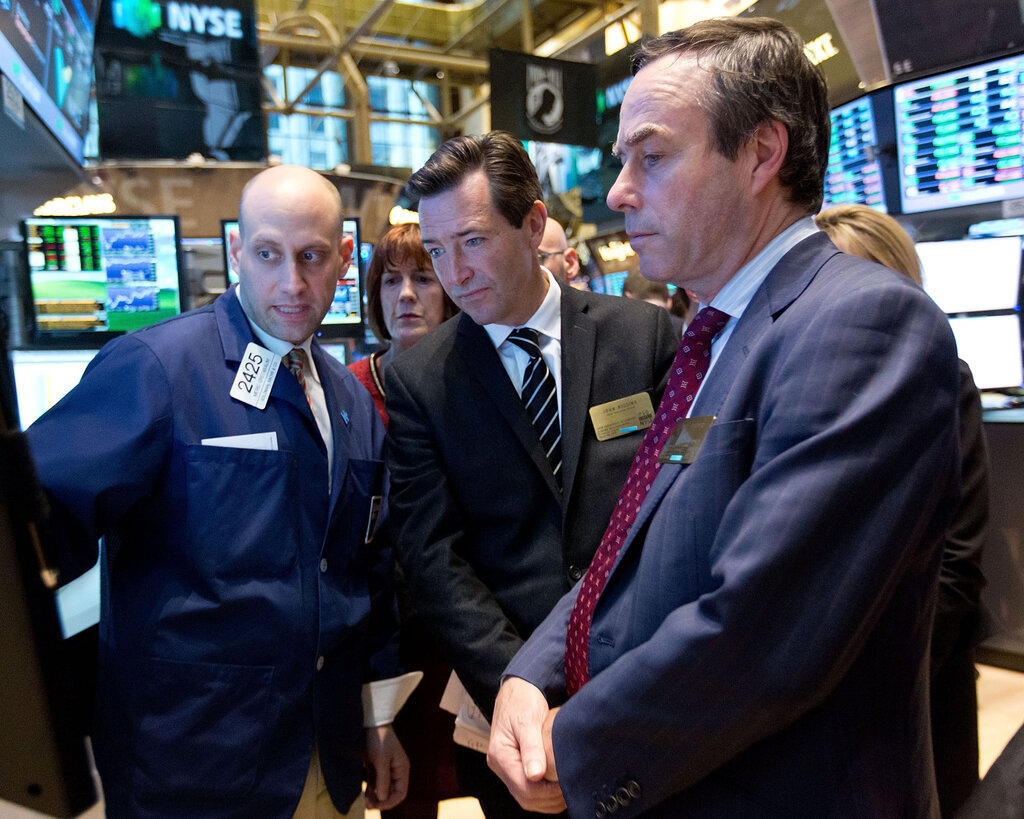
Most people don't trade directly on an exchange. Instead, they use a broker. A broker is an individual or firm that acts as an intermediary, executing buy and sell orders on behalf of investors. When you open a trading account online, that company is your broker.
Finally, there are market makers. These are firms that stand ready to buy and sell a particular asset at any time during market hours. They provide liquidity, which means they make it easier for others to trade. By quoting both a buy price (the bid) and a sell price (the ask), they ensure there's almost always someone on the other side of your trade, which keeps the market flowing smoothly.
The Menu of Assets
Just as a grocery store has different aisles for different types of food, financial markets offer various types of assets, known as asset classes. The main ones are equities, bonds, and derivatives.
Equity
noun
A share of ownership in a company. Also known as a stock.
When you buy a company's stock, you become a part-owner. You share in its potential successes (through price increases or dividend payments) and its failures. Equities are generally considered riskier than bonds but offer higher potential returns.
Bond
noun
A type of loan made by an investor to a borrower, typically a corporation or government.
Buying a bond is like being a lender. The issuer promises to pay you, the investor, periodic interest payments (called coupon payments) over a set period. At the end of that period, called the bond's maturity, the original amount of the loan (the principal) is returned to you. Bonds are a cornerstone of what's known as the fixed-income market.
Finally, we have derivatives. These are more complex instruments. A derivative is a contract between two or more parties whose value is based on an agreed-upon underlying financial asset (like a stock) or set of assets. Common derivatives include futures and options.
For example, an options contract gives the buyer the right, but not the obligation, to buy or sell an underlying asset at a specific price on or before a certain date. Their value is derived from the price of that underlying asset.
Before you can dive into complex trading strategies, it's essential to understand this basic landscape. Knowing the structure, the players, and the products is the first step.