Quantifying Cyber Risk
Introduction to Cyber Risk
What Is Cyber Risk?
Cyber risk is the potential for loss or damage when a company's computer systems are breached. Think of it like the risk of a car accident. You might be a great driver, but bad weather, a faulty car part, or another driver’s mistake could still lead to a crash. Similarly, a business can have strong defenses, but a clever hacker, an employee mistake, or a software bug can create an opening for an attack.
Every organization that uses technology faces cyber risk. It’s not just about hackers trying to steal money. It's about any threat to your digital assets, from sensitive customer data and financial records to the systems that keep your business running. The risk exists at the intersection of a threat (an attacker or a piece of malware) and a vulnerability (a weakness in your system).
Cyber risk isn't just a tech problem. It's a business problem. It affects your finances, reputation, and ability to operate.

Why Bother Measuring Risk?
If you know risks are everywhere, why try to put a number on them? Because you can’t fix everything at once. Quantifying risk helps turn a vague sense of worry into a prioritized to-do list.
Imagine a hospital emergency room. Doctors don't treat patients in the order they arrive. They perform triage, assessing the severity of each person's condition to decide who needs help most urgently. Quantifying cyber risk is a form of digital triage. It helps a company identify its most critical vulnerabilities and focus resources on fixing the problems that pose the greatest danger.
By measuring risk, a business can make smarter decisions about its security budget. Does it make more sense to invest in new security software, conduct more employee training, or upgrade network hardware? The answer depends on which action will do the most to reduce the company's biggest risks.
Cybersecurity risk management is the strategic process of identifying, assessing, and reducing potential cybersecurity threats to an organization’s digital environment.
The Aftermath of an Attack
The consequences of a cyber incident go far beyond the initial technical headache. The fallout can affect every part of a business, causing damage that lasts for years.
| Type of Consequence | Example |
|---|---|
| Financial Loss | Paying ransoms, regulatory fines, legal fees, and recovery costs. |
| Reputational Damage | Customers losing trust in your brand, leading to lost business. |
| Operational Disruption | Systems going offline, shutting down production or sales. |
| Data Loss | Theft of intellectual property or sensitive customer information. |
Consider the 2017 Equifax data breach. Hackers exploited a known vulnerability in the company's web software to steal the personal information of nearly 150 million people. The immediate cost was spent on fixing the breach and providing credit monitoring services. But the long-term damage was far greater.
Equifax faced dozens of lawsuits and government investigations, resulting in a settlement of over $575 million. The company's stock price plummeted, and its executives were called to testify before Congress. The breach permanently damaged the company's reputation as a trusted handler of sensitive financial data.
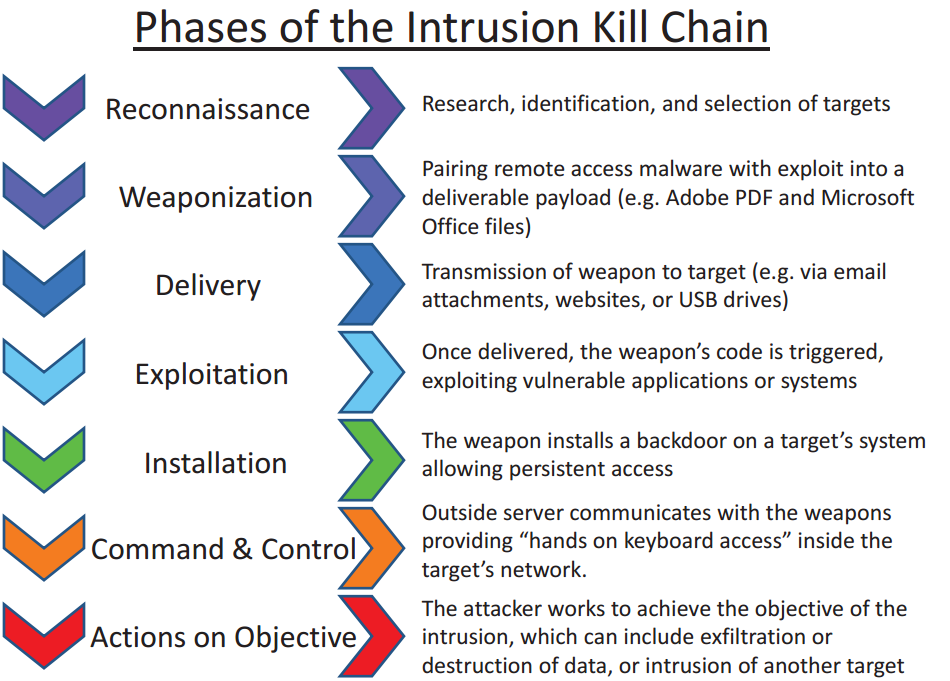
Cyber risk is an unavoidable part of the modern world. Understanding what it is, why it needs to be measured, and the potential consequences of ignoring it is the first step toward building a strong defense.
Cyber risk exists at the intersection of which two elements?
What is the primary purpose of quantifying cyber risk, as described by the 'digital triage' analogy?