Quality Management Systems Explained
Introduction to Quality Management
What Is a Quality Management System?
A Quality Management System, or QMS, is the formal framework an organization uses to manage its processes and activities to meet customer and regulatory requirements consistently. Think of it as a company's quality playbook. It documents policies, processes, and responsibilities for achieving quality objectives.
A quality management system (QMS) is a group of operational practices and guidelines that tries to guarantee that the quality of delivered goods and services meets or surpasses client expectations.
The goal isn't just to catch errors before a product ships. A good QMS is proactive. It builds quality into every step, from designing a product to providing customer service. It creates a system that helps everyone in the organization understand their role in delivering a consistent, high-quality experience.
A Quick History of Quality
The idea of quality management isn't new. For centuries, skilled artisans took personal pride in their work, which was its own form of quality control. If a blacksmith made a bad sword, their reputation suffered.
The Industrial Revolution changed things. Mass production meant individual craftsmanship was replaced by assembly lines. The focus shifted to inspection—checking products at the end of the line to weed out the bad ones. This was inefficient and costly.
In the early 20th century, pioneers like Walter Shewhart introduced statistical methods to control quality during the manufacturing process, not just at the end. This was a major leap forward. After World War II, experts like W. Edwards Deming and Joseph Juran took these ideas to Japan, where they were embraced and evolved into a philosophy of company-wide quality control. This laid the groundwork for modern approaches like Total Quality Management (TQM), which involves everyone in the organization in the pursuit of quality.
Core Principles
Modern quality management is built on several key principles. These aren't just buzzwords; they are the foundation of any successful QMS. They guide an organization's actions to ensure it consistently meets its goals.
| Principle | What It Means |
|---|---|
| Customer Focus | The primary goal is to meet and exceed customer expectations. |
| Leadership | Top management must be committed and provide direction and resources. |
| Engagement of People | Everyone in the organization is involved and empowered to contribute to quality. |
| Process Approach | Activities are managed as interrelated processes to achieve consistent results. |
| Improvement | The organization is always looking for ways to improve its processes and outcomes. |
| Evidence-Based Decision Making | Decisions are based on the analysis of data and information. |
| Relationship Management | Managing relationships with suppliers and partners is crucial for success. |
Of these, continuous improvement is the engine that drives a QMS forward. A QMS is not a one-time project you set up and forget.
A QMS is a living system that must evolve with your business. It requires regular check-ups through audits, data analysis, and adaptation to change.
The Benefits of a QMS
Implementing a formal QMS might seem like a lot of work, but the payoff is significant. It's an investment that improves nearly every aspect of a business.
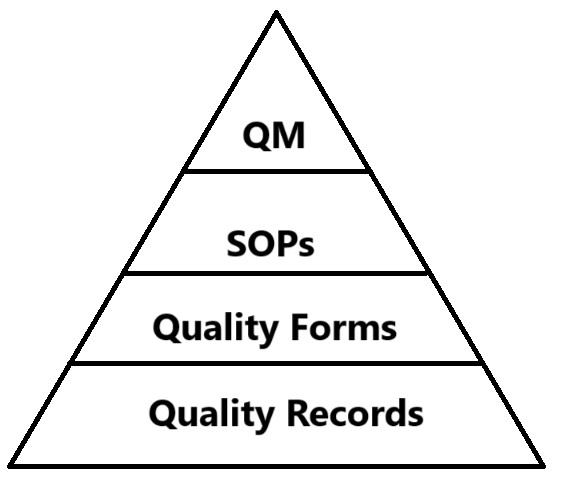
One of the biggest benefits is increased efficiency and reduced waste. When processes are clearly defined and controlled, there are fewer errors, less rework, and more consistent output. This saves time and money.
A well-functioning QMS also leads to higher customer satisfaction. Customers get reliable products and services, which builds trust and loyalty. It also helps organizations meet legal and regulatory requirements, reducing the risk of fines or penalties.
Finally, a QMS fosters a culture of quality. It gets everyone thinking about how their work contributes to the final product and encourages a proactive approach to problem-solving and improvement.
To standardize these practices, organizations often turn to internationally recognized frameworks.
ISO 9001 is an international standard that outlines the requirements of a robust Quality Management System.
ISO 9001 provides a set of guidelines based on the principles we've discussed. It doesn't tell a company how to run its business. Instead, it provides a flexible framework that can be adapted to any organization, regardless of its size or industry. Certification to the ISO 9001 standard signals to customers and partners that a company has a serious commitment to quality.
Ready to check your understanding?
What is the primary goal of a Quality Management System (QMS)?
How did the approach to quality control evolve after the Industrial Revolution, leading to modern QMS?
In short, a QMS is a fundamental tool for any organization looking to thrive. It's about creating a stable, predictable system that delivers consistent value and drives continuous growth.