Quality Engineering for Turbine Blade Casting
Casting Foundation
From Wax to Metal
At the heart of a jet engine is a storm of fire and force. Components there must withstand temperatures hot enough to melt steel and spin faster than the eye can see. To create parts strong and complex enough for this environment, manufacturers turn to an ancient technique with a modern twist: investment casting.
This process, also known as the [{
}], allows for the creation of intricate, single-piece metal parts with extreme precision. It’s like making a perfect chocolate bunny, but instead of chocolate, you use superheated metal, and the final product has to survive a hurricane of hot gas.
The Perfect Copy
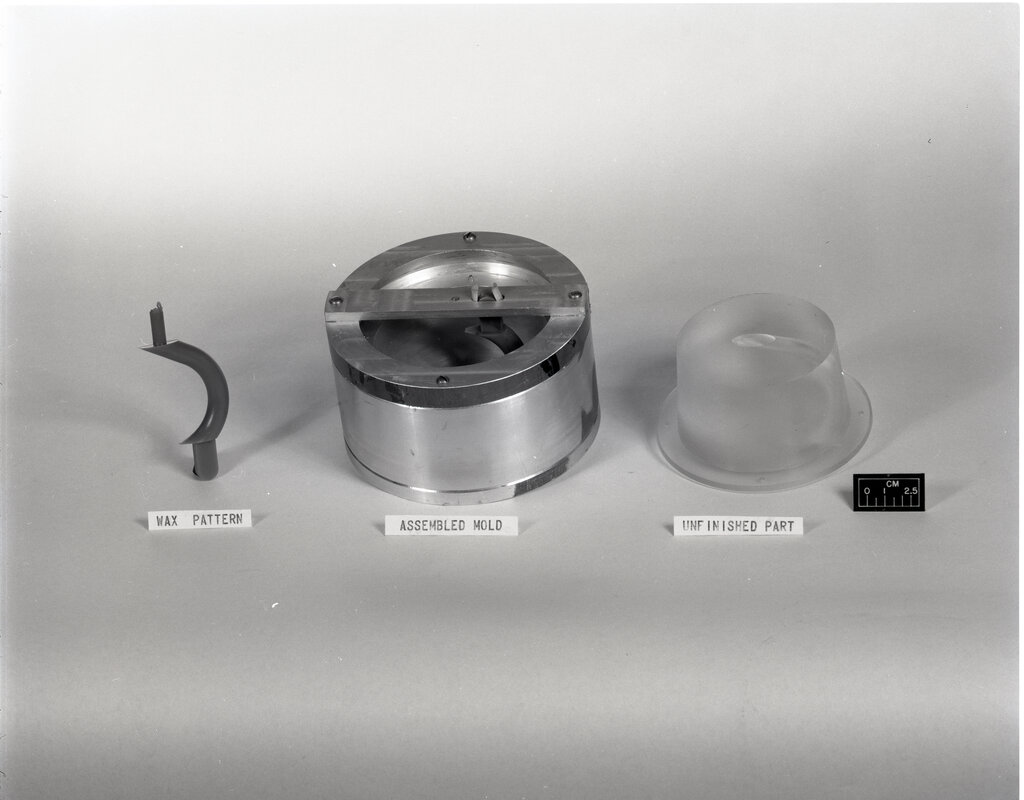
Everything starts with a perfect replica of the final part, but made of wax. This is the 'wax pattern'. To make one, liquid wax is injected into a highly precise metal mould, called a die. This is similar to how plastic toys are mass-produced. The die opens, and out comes a flawless wax version of a turbine blade.
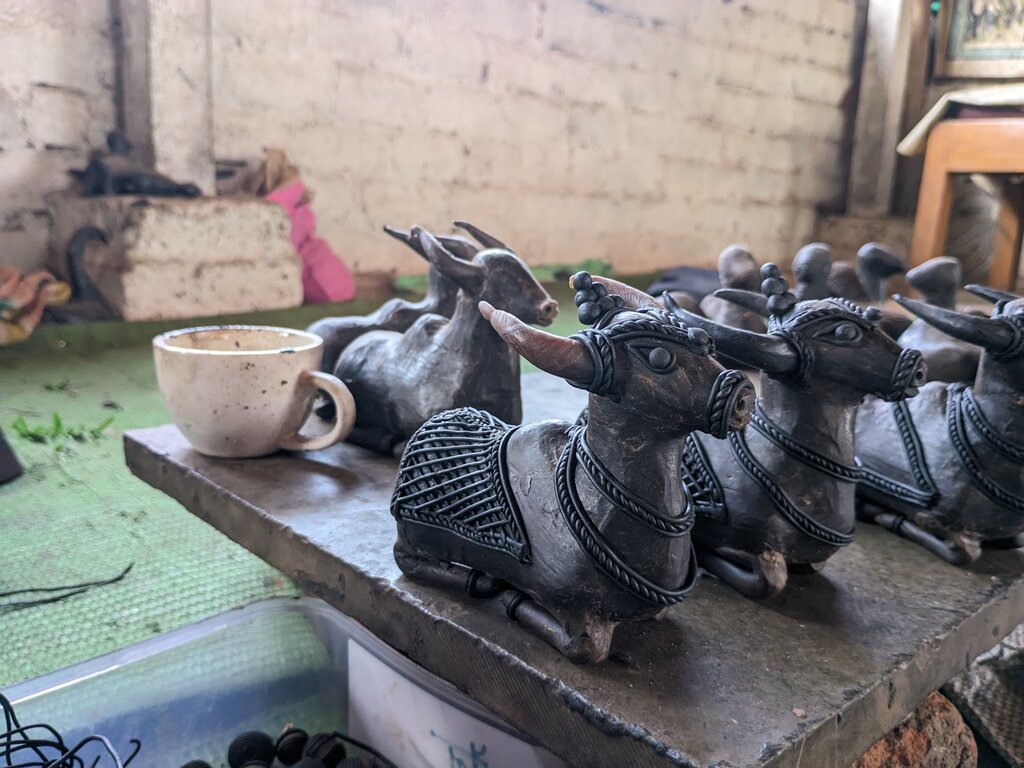
These individual wax patterns are then carefully attached to a central wax rod, creating a structure that looks like a tree. This 'wax tree' allows multiple parts to be made at once in a single mould. Quality control is ruthless at this stage. Any tiny nick, bubble, or imperfection in the wax will be perfectly duplicated in the final metal part. A small flaw here could lead to a catastrophic failure inside an engine.
Building the Shell
Next, the wax tree needs a ceramic shell. The entire tree is dipped into a vat of fine ceramic slurry, like dipping a candle. After the first coat, it's dusted with a fine sand-like material and left to dry. This process is repeated over and over, sometimes up to a dozen times, with each layer using coarser ceramic material to build strength.
The result is a thick, hard ceramic shell built around the wax tree. This shell is the mould. It's strong enough to hold molten metal, yet detailed enough to capture every fine feature of the original wax patterns.
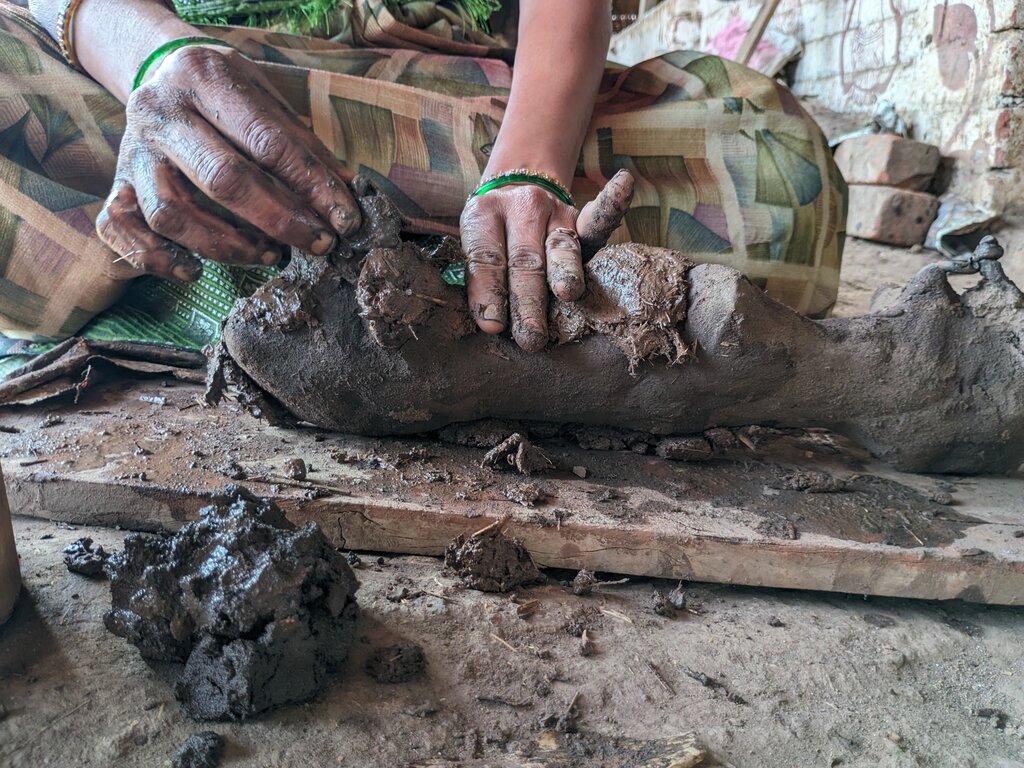
Once the shell is complete and fully hardened, it's time to get rid of the wax. The entire ceramic mould is placed in a furnace or a steam autoclave. The high heat melts the wax, which pours out through the bottom, leaving a perfectly hollow cavity inside the shell. This is why it's called the 'lost-wax' method. The original pattern is gone, but its exact negative shape remains.
Pouring the Superalloy
The empty ceramic mould is heated to a high temperature to remove any moisture and prepare it for the metal. This pre-heating also prevents the mould from cracking when the scorching hot metal is poured in. Now comes the main event. A special blend of metals, called a , is melted in a crucible. These are not your everyday metals; they are designed to maintain their strength at temperatures that would turn other alloys into putty.
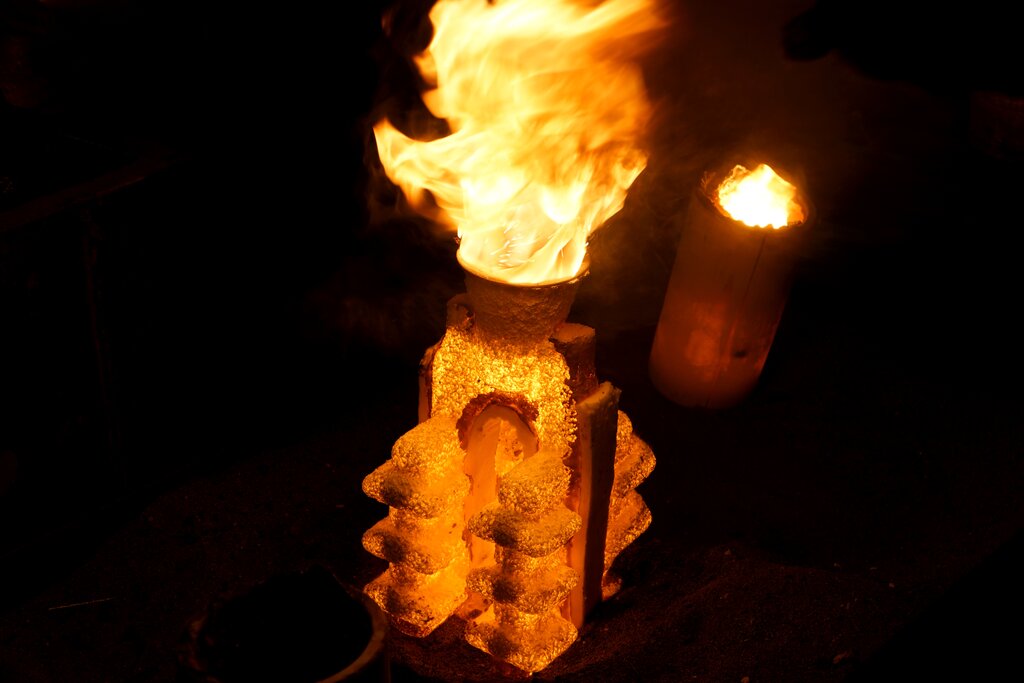
The molten superalloy is poured into the hollow shell, filling every tiny space once occupied by the wax. The metal is then allowed to cool and solidify under very controlled conditions. How it cools is just as important as the metal itself, as this determines the final properties of the blade.
Once cooled, the ceramic shell is broken away using hammers, vibration, or high-pressure water jets. What remains is a metal tree of perfectly formed turbine blades. They are cut from the central rod, and then undergo finishing processes to become the final, mission-critical components ready for an engine. From a simple piece of wax, an engineering marvel is born.