QiGong Fundamentals
Introduction to QiGong
What is QiGong?
QiGong is an ancient Chinese practice for cultivating the body's vital energy. The name itself tells you a lot about its purpose. It's made of two Chinese words: Qi and Gong.
QiGong
Qi (气) is often translated as "life force" or "vital energy." It's the energy that flows through all living things. Gong (功) means "work" or "skill." So, QiGong literally means "energy work" or the skill of cultivating energy.
The goal of QiGong is to cultivate and balance your qi to improve health, well-being, and vitality.
Ancient Roots
QiGong's origins trace back thousands of years in China, with roots in Daoist traditions believed to be as old as 2146 BCE. Early practitioners were inspired by the movements of animals and the flow of nature. They developed exercises to harmonize the human body with the world around it.
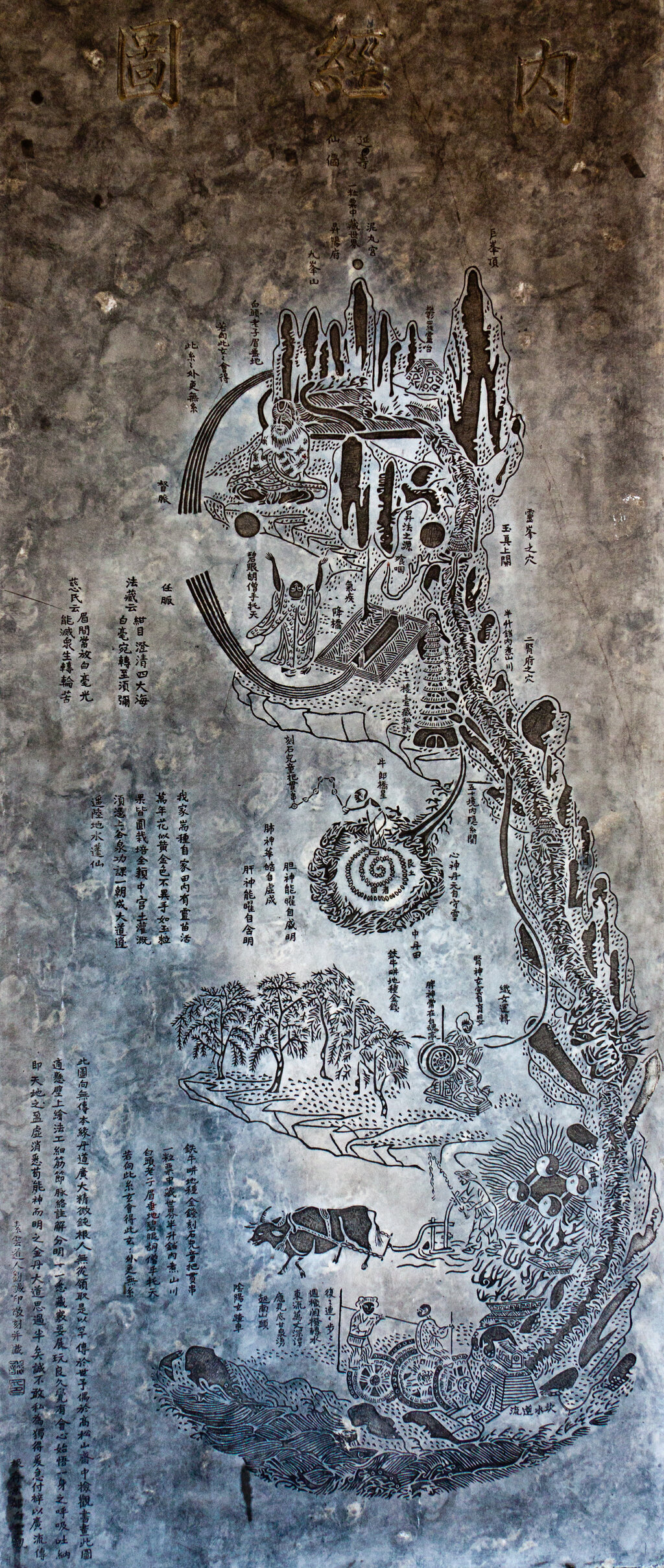
Over centuries, QiGong evolved. It absorbed principles from traditional Chinese medicine, philosophy, and martial arts, becoming a sophisticated system for health and self-cultivation. This deep history is often represented in intricate diagrams that map the body's internal energy landscape, viewing it as a microcosm of the universe.
The Three Pillars
QiGong practice is built on three core pillars: physical postures, breathing techniques, and mental focus. The magic happens when you bring all three together.
-
Body (Postures & Movement): QiGong involves slow, gentle, and flowing movements. Unlike a high-intensity workout, the focus is on precise, relaxed actions that open up the body's energy channels.
-
Breath (Breathing Techniques): The breath is the vehicle for qi. In QiGong, breathing is deep, slow, and coordinated with your movements. This helps to calm the nervous system and guide energy through the body.
-
Mind (Meditation & Focus): Your intention directs the flow of qi. A focused, meditative state of mind is crucial. By concentrating on your movements and breath, you can guide energy to specific areas of your body to promote healing and balance.
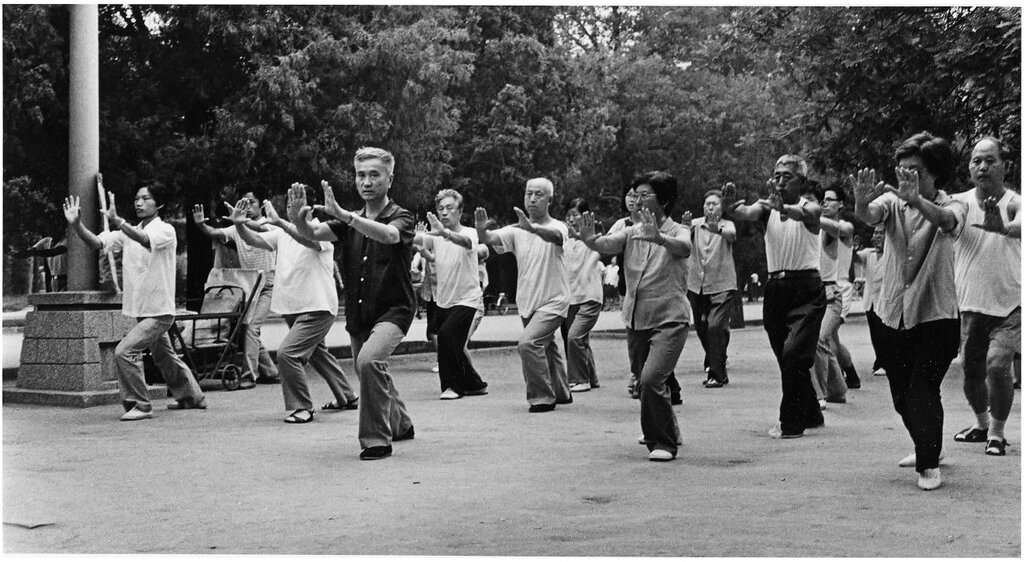
This integration of body, breath, and mind is central to its role in traditional Chinese medicine (TCM). In TCM, illness is often seen as a result of blocked or imbalanced qi. QiGong is a way to restore the smooth flow of energy through the body's meridians, or energy pathways, promoting self-healing.
Styles and Forms
Just as there are many styles of yoga, there are many forms of QiGong. They are often categorized based on their primary purpose. While there's a lot of overlap, we can generally group them into a few main types.
| Style | Primary Goal | Example |
|---|---|---|
| Medical QiGong | Healing and preventing illness | Eight Brocades (Ba Duan Jin) |
| Martial QiGong | Increasing strength, stamina, and resilience | Iron Shirt QiGong |
| Spiritual QiGong | Self-awareness and spiritual development | Practices within Daoist and Buddhist temples |
Each style uses the same fundamental principles of posture, breath, and intention, but applies them in different ways to achieve different outcomes. Some forms are done standing, others sitting, and some even involve lying down. This variety makes QiGong accessible to people of all ages and physical abilities.
This ancient Chinese practice, characterized by its slow and flowy movements, has served people of all ages for centuries, promoting better balance, flexibility, and peace of mind.
Ready to review what you've learned?
Now, let's test your knowledge.
The term "QiGong" is a combination of two Chinese words. What is its literal translation?
QiGong practice is built upon the integration of three core pillars. Which of the following is NOT one of these pillars?
QiGong is a rich and diverse practice with a long history. By understanding its core concepts, you can appreciate how its gentle movements and focused breathing work together to enhance health and vitality.