QAOps for Modern Software Development
Introduction to QAOps
Quality on Autopilot
In the world of software development, speed is king. Teams using DevOps practices can ship new features and fixes faster than ever. But speed without quality can lead to disaster. Imagine a high-speed train that’s constantly derailing. That’s what happens when quality assurance (QA) can't keep up.
This is where QAOps comes in. Think of it as integrating quality checks directly into the DevOps assembly line. Instead of waiting until a product is fully built to inspect it, QAOps embeds testing and quality validation into every step of the development and deployment process. It’s a cultural shift where everyone on the team—developers, operations staff, and QA engineers—shares responsibility for the quality of the final product.
The QA process functions as a continuous thread woven throughout the entire software development lifecycle, rather than being confined to a specific phase.
This means quality isn't an afterthought or a final hurdle to clear. It's a continuous, automated part of the workflow, helping teams move fast without breaking things.
Old vs New QA
To understand QAOps, it helps to see how it differs from traditional QA. For decades, QA was a separate stage that happened late in the development cycle. Developers would build a feature, then "throw it over the wall" to the QA team for testing. This created a bottleneck. If the QA team found significant bugs, the feature had to be sent back to the developers, causing delays and friction.
Traditional QA often relied heavily on manual testing, which is slow, expensive, and prone to human error. It was like having a single inspector check every car after it rolled off the assembly line, while the line itself kept moving faster and faster.
| Feature | Traditional QA | QAOps |
|---|---|---|
| When | At the end of the cycle | Continuously, throughout the cycle |
| Who | A separate QA team | The entire project team |
| How | Mostly manual testing | Heavily automated testing |
| Goal | Find bugs before release | Prevent bugs from being created |
QAOps flips this model. By integrating QA into the DevOps pipeline, testing happens automatically every time a developer commits new code. This “shift-left” approach means bugs are caught earlier, when they are cheaper and easier to fix. It transforms QA from a gatekeeper into a collaborative partner that enables speed and stability.
Core Principles
QAOps is guided by a few core ideas that make it work.
Continuous Everything: Just like DevOps has continuous integration and continuous delivery (CI/CD), QAOps champions continuous testing. Automated tests run constantly in the background, providing immediate feedback on the health of the software.
Automated tests form the backbone of this process. They range from small unit tests that check individual pieces of code to larger integration tests that ensure different parts of the application work together correctly.
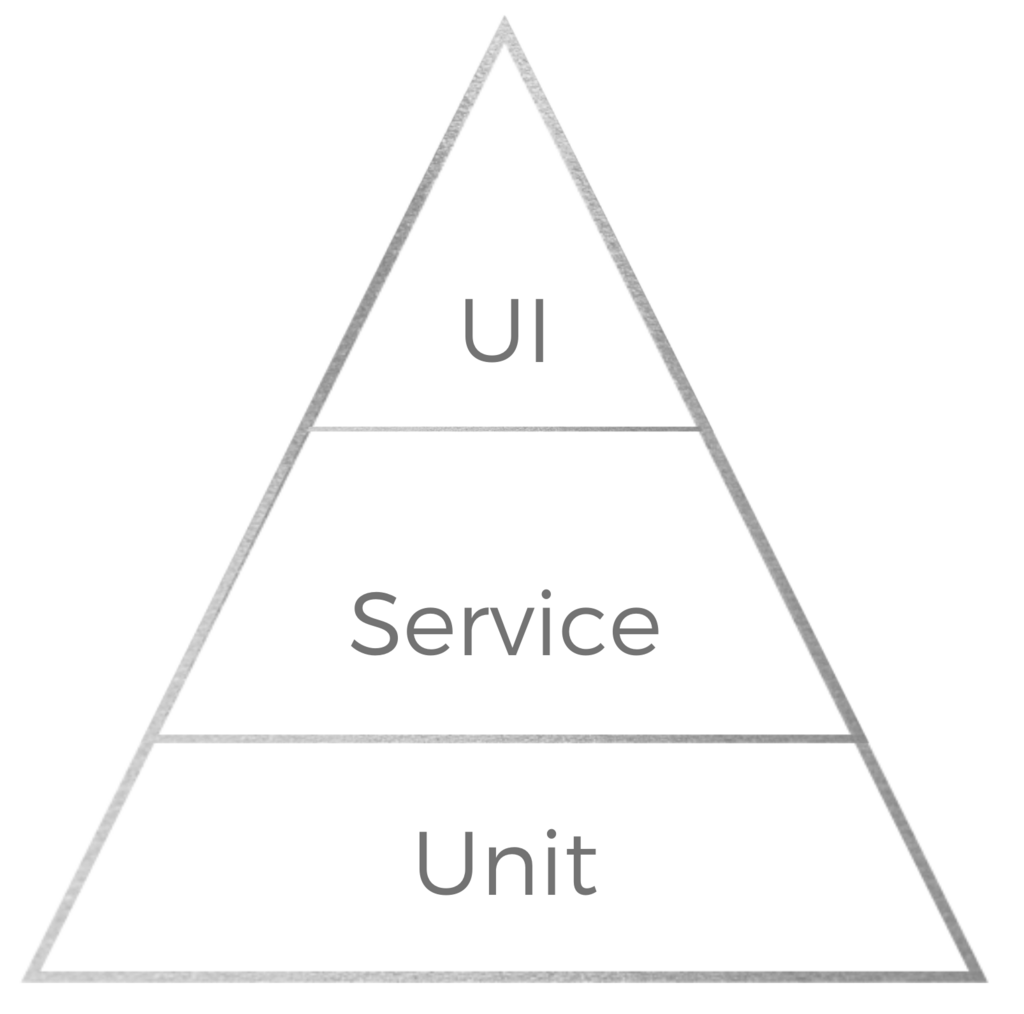
Shift-Left Mentality: This principle is about moving testing activities as early as possible in the development lifecycle. Instead of waiting for a feature to be complete, developers and QA engineers collaborate from the very beginning to define what quality means and how it will be tested.
By thinking about testing from day one, teams can design software that is easier to test and more reliable. This proactive approach prevents defects rather than just detecting them.
Shared Responsibility: In a QAOps culture, quality is everyone's job. Developers write automated tests for their own code. Operations engineers monitor the software's performance in production. QA professionals act as coaches and quality experts, helping the entire team build better testing strategies and use the right tools.
This collaboration breaks down the silos that existed in traditional models. The goal is no longer to pass a quality check, but to work together to build a high-quality product from the ground up.
Time for a quick check-in on these concepts.
Let's see what you've learned.
What is the primary goal of QAOps?
The "shift-left" approach, central to QAOps, refers to:
By embracing QAOps, teams can deliver better software faster, turning quality from a bottleneck into a competitive advantage.