Python Programming Fundamentals
Introduction to Python
What Is Python?
Python is a high-level, general-purpose programming language. Think of it as a set of instructions you can give a computer to perform tasks. What makes Python special is its design philosophy, which emphasizes code readability. Its syntax is clean and straightforward, which is why it's often recommended for beginners.
It was created by Guido van Rossum and first released in 1991. His goal was to make a language that was easy to read and write, almost like plain English. This focus on simplicity doesn't mean it's not powerful. Python is incredibly versatile, which has led to its massive popularity.
What's It Used For?
Python is a bit of a jack-of-all-trades in the programming world. You'll find it almost everywhere.
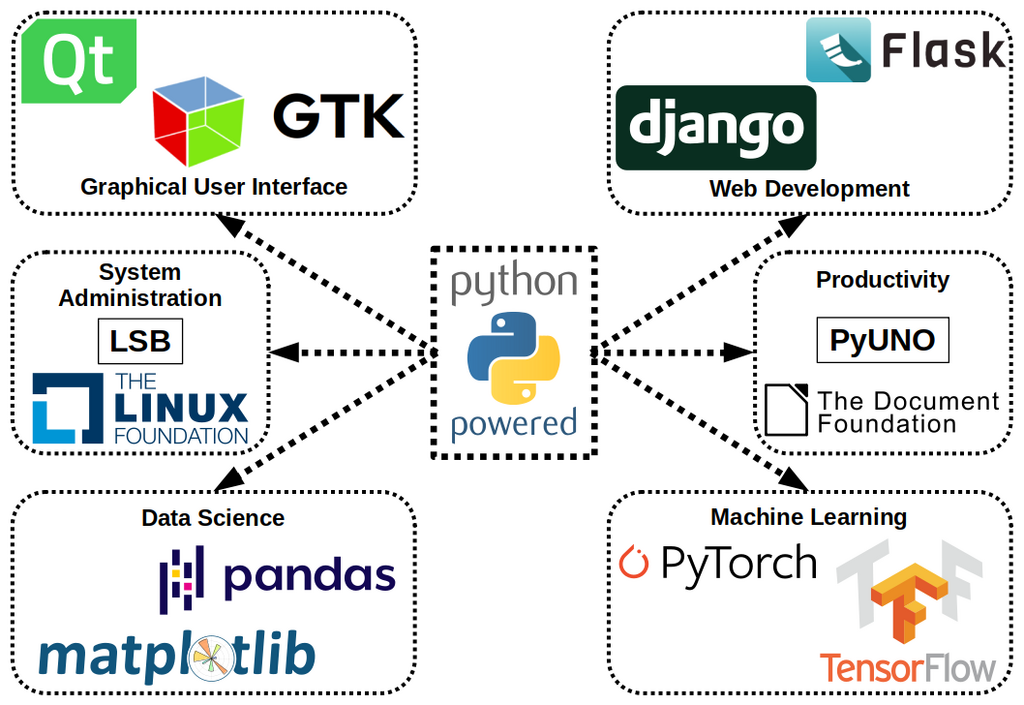
Some of its most common applications include:
- Web Development: Building the server-side logic of websites and web apps.
- Data Science & Machine Learning: Analyzing large datasets, creating visualizations, and building predictive models.
- Automation: Writing scripts to automate repetitive tasks, like organizing files or sending emails.
- Software Development: Creating standalone applications and tools.
Setting Up Your Workspace
To start writing Python, you need two things: the Python interpreter and a place to write your code. The interpreter is a program that reads your Python code and carries out the instructions. The place you write your code is often an Integrated Development Environment, or IDE.
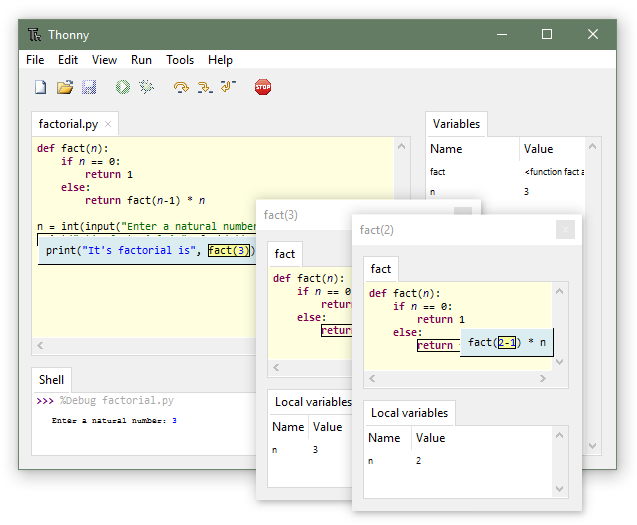
An IDE is like a word processor specifically for code. It helps you by highlighting syntax, catching errors, and managing your files.
First, you'll need to install Python. Head over to the official website, python.org, and download the latest version for your operating system (Windows, macOS, or Linux). During the Windows installation, make sure to check the box that says "Add Python to PATH." This small step will make it easier to run your programs from the command line.
Next, you'll want an IDE. There are many options, but a few great ones for beginners are:
- Thonny: A simple IDE designed specifically for learning Python.
- Visual Studio Code (VS Code): A very popular, free code editor. You'll need to install the Python extension for it.
- PyCharm: A powerful, professional IDE with a free community edition.
Your First Program
It's a tradition in programming to make your first program display the text "Hello, World!" on the screen. It's a simple way to confirm that your setup is working correctly.
Open your IDE, create a new file, and save it as hello.py. The .py extension is important because it tells the computer that this is a Python file. Now, type the following line of code into your file.
# This is a comment. The interpreter ignores it.
# The print() function displays text on the screen.

print("Hello, World!")
That's it! The print() function is a built-in Python command that tells the computer to display whatever is inside the parentheses. The text inside the quotes is called a string.
Now, run the file. Most IDEs have a "Run" button (often a green triangle) that will execute the code for you. You should see Hello, World! appear in an output window or terminal. Congratulations, you've just written and executed your first Python program.
What is the central design philosophy of the Python programming language?
Who is credited with creating Python?
You've taken the first crucial steps into the world of Python. You've learned what it is, what it's for, how to set it up, and how to write a simple program. This is the foundation for everything that comes next.