Python Programming Fundamentals
Python Basics
What is Python?
Python is a popular programming language known for its simplicity and readability. Think of it as a set of instructions you can give to a computer. Unlike many languages that are cryptic and full of symbols, Python code often looks a lot like plain English. This makes it a great choice for beginners.
It was created in the late 1980s by Guido van Rossum, who wanted a language that was both powerful and easy to write. The name doesn't come from the snake, but from the British comedy group Monty Python. This fun origin hints at the language's approachable and flexible nature. Python is used everywhere: in web development, data science, artificial intelligence, and simple scripts to automate daily tasks.
Readability First
Python has a guiding philosophy, often called “The Zen of Python.” It's a collection of 19 principles that emphasize simplicity, clarity, and beauty in code. You don't need to memorize them, but they all boil down to one core idea: making code easy to read is just as important as making it work.
Simple is better than complex. Readability counts.
This philosophy directly influences Python's syntax, which are the rules for how programs are written and structured. Clear syntax means fewer errors and makes it easier for programmers to collaborate on projects.
The Power of Indentation
In many programming languages, developers use curly braces {} or keywords to group blocks of code. Python takes a different approach. It uses whitespace—specifically, indentation.
Indentation
noun
The spaces at the beginning of a code line. In Python, it's used to define a block of code.
This isn't just a suggestion for keeping your code tidy; it's a strict rule. If you get the indentation wrong, your program won't run. This forces programmers to write code that is visually clean and easy to follow. A consistent level of indentation (usually four spaces) indicates that a block of code belongs together.
Your First Program
Before you can write code, you need the right tools. The first step is to install the Python interpreter, which is the program that reads and executes your Python code. You can download it for free from the official Python website, python.org.
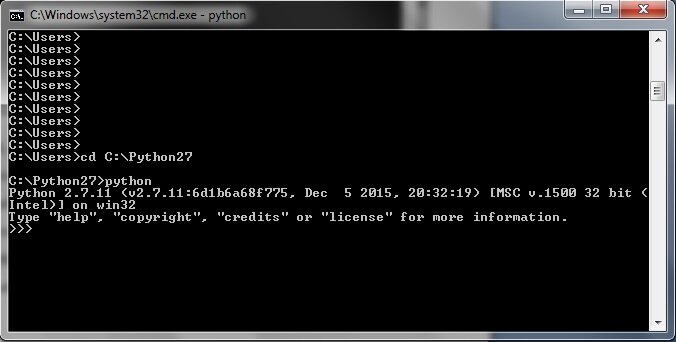
Once installed, you can write a program. It's a tradition in programming to start by making the computer say "Hello, World!". To do this in Python, you only need one line. You can write this in a simple text file and save it with a .py extension, like hello.py.
# This is a comment. Python ignores lines that start with a #
print("Hello, World!")
To run this program, you'll open a terminal or command prompt, navigate to the directory where you saved your file, and type python hello.py. The computer will then execute your code and display the text "Hello, World!" on the screen. Congratulations, you've just written and run your first Python program.
Ready to check your understanding?
What is the primary purpose of using indentation in Python?
The name "Python" was inspired by which of the following?
That's it! You now know what Python is, its core philosophy, and how to write and run a simple program.