Python Programming Fundamentals
Python Basics
What is Python?
Python is a programming language known for its simple, readable syntax. Think of it less like a cryptic code and more like a set of clear instructions. This simplicity makes it a favorite for beginners and a powerhouse for experts.
Its name doesn't come from the snake, but from the British comedy troupe Monty Python. This hints at the language's fun and accessible philosophy. Python is incredibly versatile, used for everything from building websites and analyzing data to powering robotics and creating artificial intelligence.
Setting Up Your Workspace
Before you can write Python code, you need to install it on your computer. The process is straightforward and bundles all the essential tools you'll need to get started.
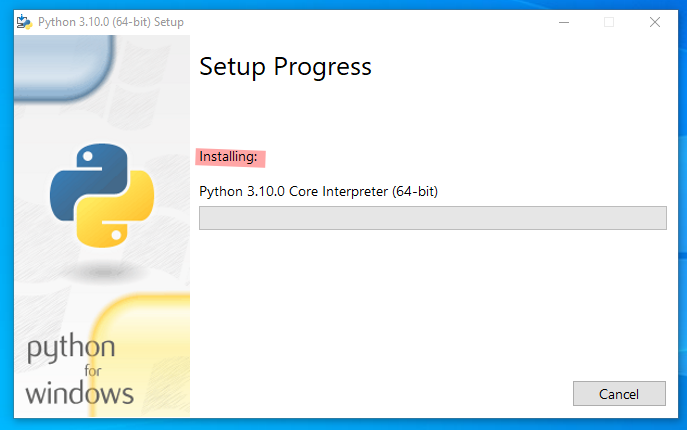
The official source for Python is python.org. Head to the downloads section and grab the latest stable version for your operating system—whether it's Windows, macOS, or Linux. Running the installer will set up the Python interpreter, which is the program that understands and executes your code.
The installation also includes a simple program called IDLE (Integrated Development and Learning Environment). It provides a basic text editor for writing your scripts and a console for running them instantly. It's a great, no-fuss place to begin your coding journey.
Your First Program
A long-standing tradition for programmers learning a new language is to make the computer say "Hello, World!". It's a simple way to confirm everything is working correctly.
In Python, this requires just one line of code using the built-in print() function. A function is a named block of code that performs a specific task. In this case, print() displays text to the screen.
print("Hello, World!")
To run this, you can open IDLE. You'll see a prompt that looks like >>>. This is the interactive shell, where you can type Python code and see the result immediately. Type the line above and press Enter.
Alternatively, you can save the code in a file. Open a plain text editor, type
print("Hello, World!"), and save it ashello.py. Then, open your computer's command line, navigate to the folder where you saved the file, and run it with the commandpython hello.py.
Congratulations! You've just written and executed your first Python program. This simple command is the foundation for building much more complex and powerful applications.
Ready to check your understanding?
What is a primary goal of Python's design philosophy?
True or False: The Python programming language is named after the snake.
You've successfully set up your environment and run your first piece of code. Now you're ready to explore what else Python can do.