Python Fundamentals
Introduction to Python
What is Python?
Python is a high-level programming language known for its readability and simplicity. Created in the late 1980s by Guido van Rossum, its design philosophy emphasizes code that's easy to read and write. Think of it less like a cryptic code and more like structured English. This makes it a fantastic language for beginners and a powerful tool for experts.
The core idea is that code is read far more often than it is written. Python is designed to be clear and uncluttered.
Van Rossum named it after the British comedy troupe Monty Python, which gives you a sense of the fun and accessible spirit behind the language. It has since evolved, with the two major versions being Python 2 and Python 3. Today, Python 3 is the standard, and it's what you'll be learning.
Why Choose Python?
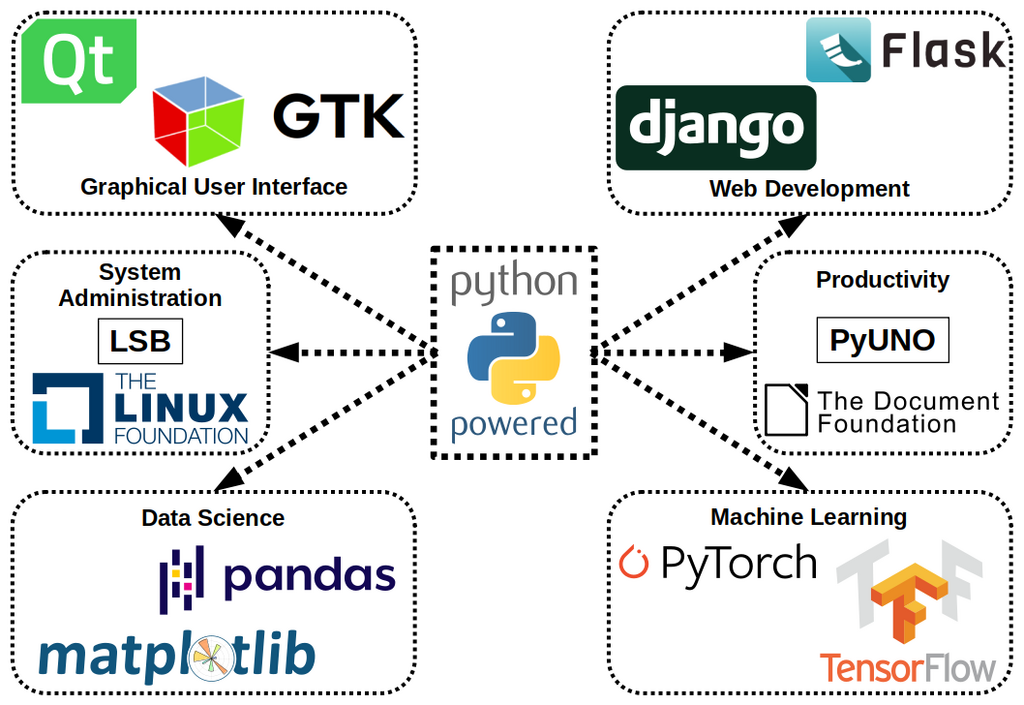
Beyond its readability, Python is incredibly versatile. It's not just a language for one specific task. Developers use it for web development, data analysis, artificial intelligence, scientific computing, and automating everyday tasks. This flexibility comes from its massive ecosystem.
Python has a huge standard library, which means a lot of useful functions are built right in. For everything else, there's the Python Package Index (PyPI), a vast repository of third-party software. If you need to do something in Python, chances are someone has already built a tool to help you do it.
Setting Up Your Environment
Before you can write Python code, you need to install it on your computer. While many operating systems (like macOS and Linux) come with a version of Python pre-installed, it's often an older version. It's always best to install the latest stable version of Python 3 from the official website, python.org.
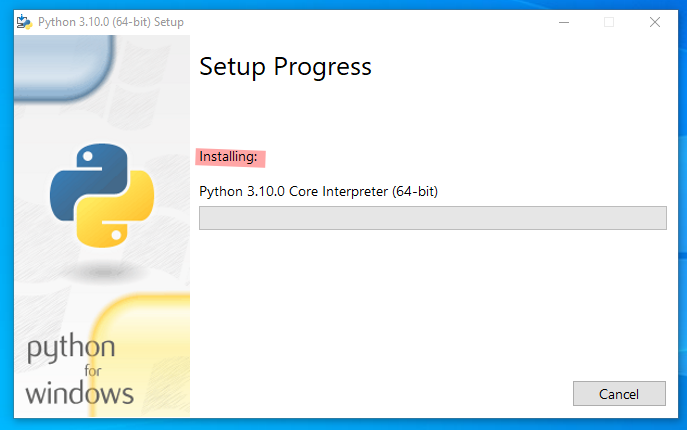
Once installed, you can verify it's working by opening your computer's terminal or command prompt and typing:
python --version
If it's installed correctly, this command will print the version number. Don't worry if your version is slightly different, as long as it starts with a 3.
Choosing a Code Editor
You can write Python in a simple text file, but most developers use a specialized tool to make their lives easier. These tools fall into two main categories: code editors and Integrated Development Environments (IDEs).
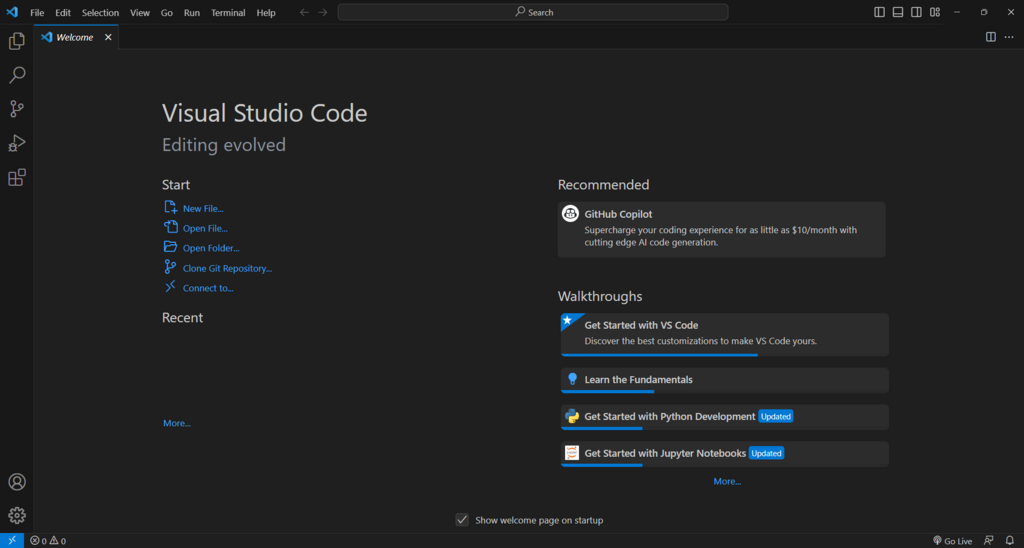
A code editor is a lightweight text editor with features like syntax highlighting and code completion. A popular choice is Visual Studio Code (VS Code), which is free, highly customizable, and has excellent Python support.
An IDE is a more comprehensive tool that bundles a code editor with other development tools, like a debugger for finding errors and tools for managing large projects. For Python, PyCharm is a very popular and powerful IDE. There are also simpler IDEs like Thonny, which is designed specifically for beginners.
For starting out, any of these will work well. The most important thing is to pick one and start writing code. You can always switch later.