Python Fundamentals for Beginners
Introduction to Python
What is Python?
Python is a high-level, general-purpose programming language. Think of it as a set of instructions you can give a computer to perform tasks. What makes Python special is its design philosophy, which emphasizes readability. The code looks clean and is relatively easy to understand, even for beginners.
It was created in the late 1980s by Guido van Rossum. His goal was to make a language that was both powerful and simple. Because of this simplicity, Python allows you to write programs with fewer lines of code than many other languages.
The language's name comes from Guido's appreciation for the British comedy group Monty Python, not the snake.
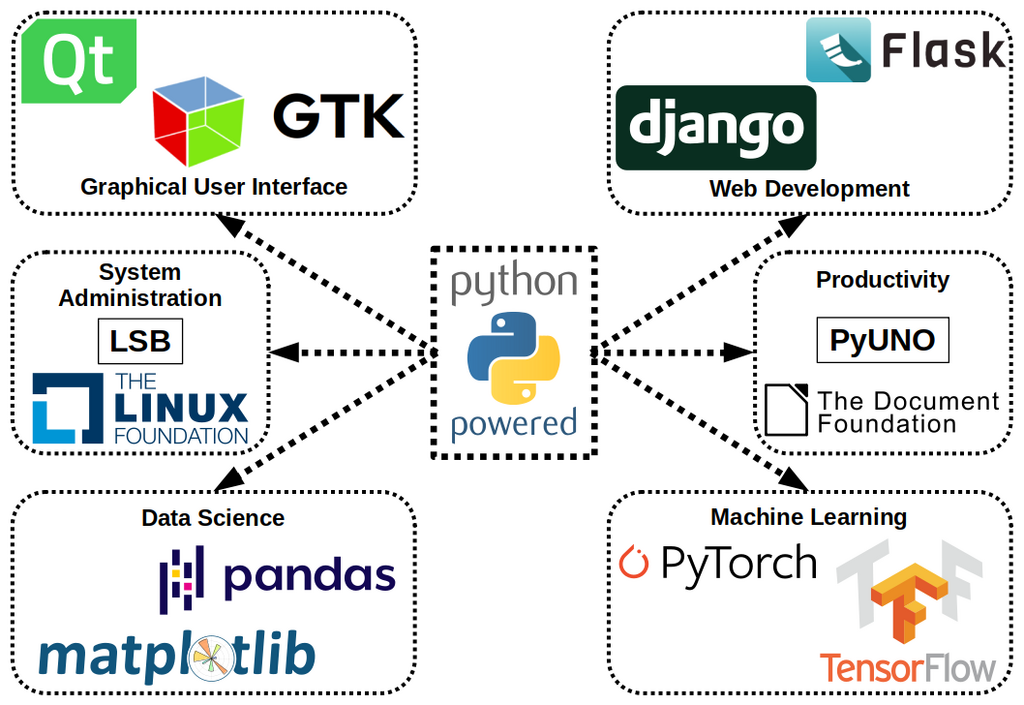
Today, Python is used almost everywhere. It powers web applications, data analysis, artificial intelligence, scientific computing, and automation. Companies like Google, Netflix, and NASA use it extensively for a wide variety of tasks. Its versatility is one of its greatest strengths.
Getting Ready to Code
Before you can write Python code, you need two things: the Python interpreter and a place to write your code. The interpreter is a program that reads your Python code and translates it into instructions the computer can understand and execute.
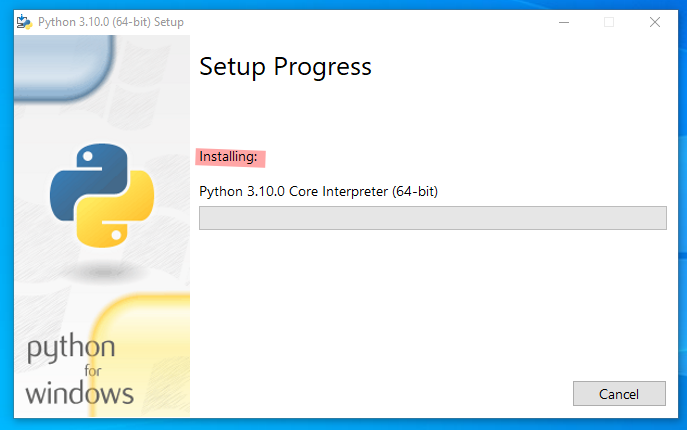
You can download the official interpreter from the Python website, python.org. The installation is straightforward, much like installing any other software. During setup, make sure to check the box that says "Add Python to PATH." This small step makes it easier to run Python from anywhere on your computer.
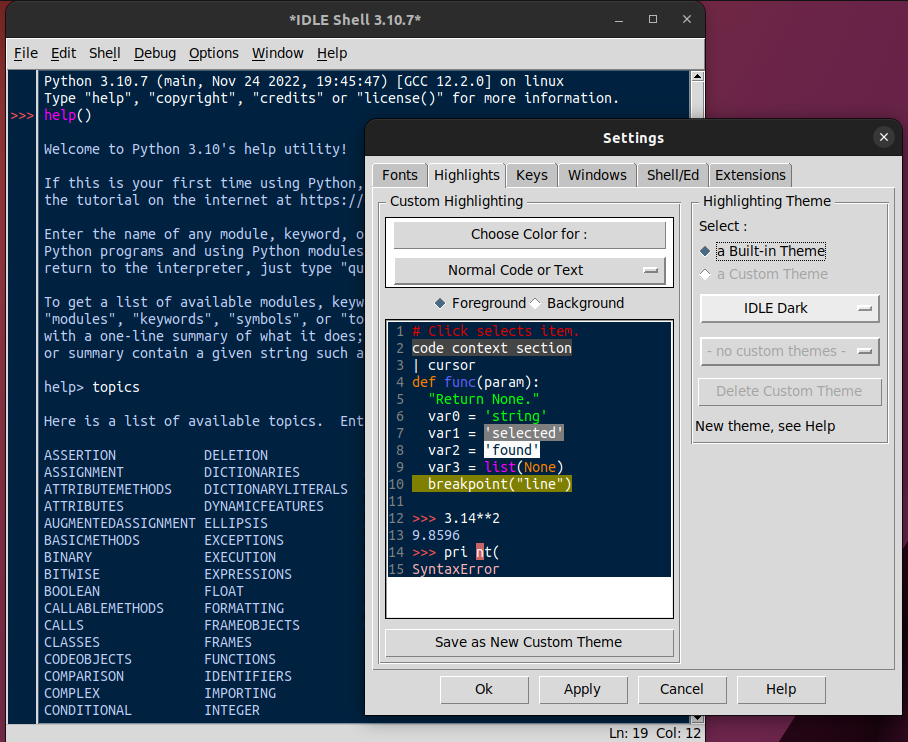
Next, you need a code editor or an Integrated Development Environment (IDE). While you could write code in a simple text editor, an IDE provides helpful tools like syntax highlighting, code completion, and debugging, which make the process much smoother. For beginners, a simple IDE is often best.
IDE
noun
An Integrated Development Environment is a software application that provides comprehensive facilities to computer programmers for software development. An IDE normally consists of at least a source code editor, build automation tools, and a debugger.
Python comes with its own basic IDE called IDLE, which is great for starting out. Other popular choices include Visual Studio Code, PyCharm, and Thonny. They all achieve the same goal: giving you a place to write and run your Python code.
Your First Program
A long-standing tradition in programming is to make your first program display the text "Hello, World!". It's a simple way to confirm that your setup is working correctly. In Python, this is incredibly easy.
The core of this program is the print() function. A function is a named block of code that performs a specific task. The print() function's task is to display whatever you put inside its parentheses on the screen.
# This is a comment. Python ignores lines starting with a #.
# The print() function displays text to the screen.

print("Hello, World!")
To run this, open your IDE, create a new file, and save it with a .py extension, like hello.py. Type the code above into the file. Most IDEs have a "Run" button (often a green triangle) that will execute the code for you. The output, Hello, World!, will appear in a terminal or console window.
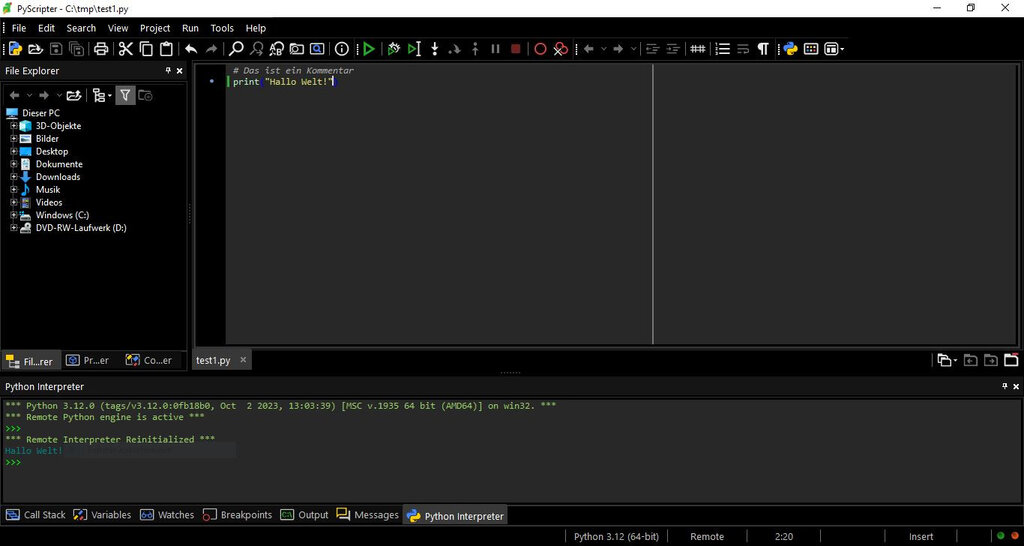
Congratulations, you've just written and run your first Python program. This simple command is the foundation for building much more complex and powerful applications.
What is the primary design philosophy of Python?
What is the role of the Python interpreter?
Now that you've got the basics down, you're ready to explore what makes Python so powerful, starting with variables and data types.