Python Fundamentals Exploration
Introduction to Python
What Is Python?
Python is a high-level programming language, which means it’s designed to be easy for humans to read and write. Its syntax is clean and straightforward, making it one of the most recommended languages for beginners. The goal is to let you write code that is clear and logical, without getting bogged down in complex rules.
Python is a versatile and beginner-friendly programming language that has become immensely popular for its readability and wide range of applications.
It was created in the late 1980s by Guido van Rossum. He wanted to make a language that was both powerful and simple to use. The name doesn't come from the snake, but from the British comedy troupe Monty Python, which gives you a hint about the fun and accessible philosophy behind the language.
What Is Python Used For?
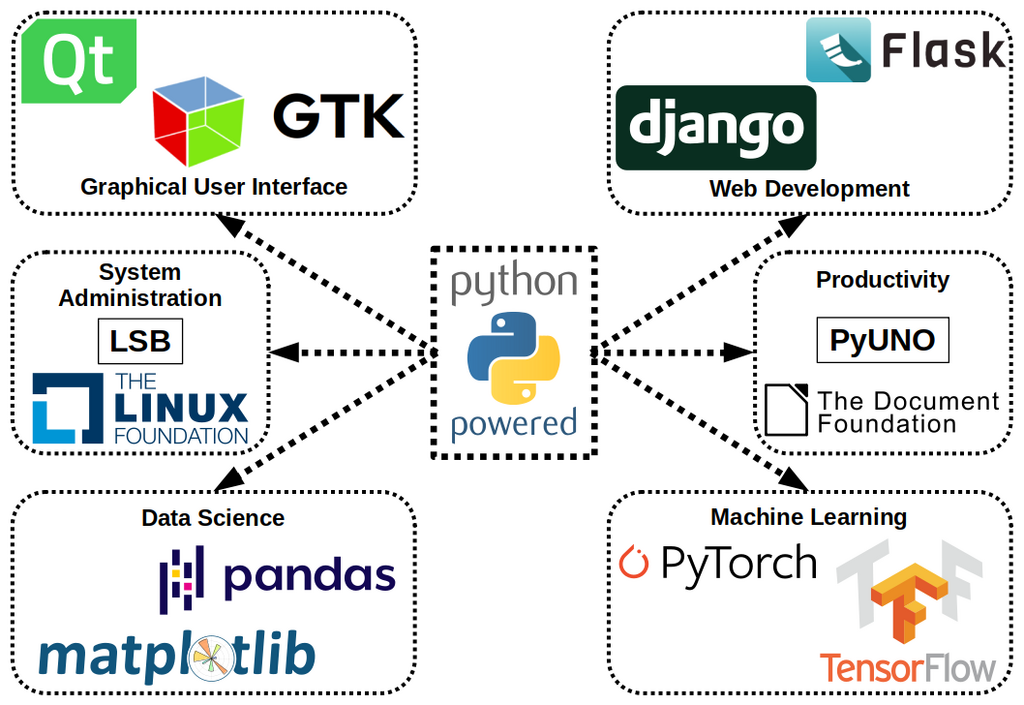
Python's versatility is one of its biggest strengths. It’s used across a huge range of fields for many different tasks. Here are just a few examples:
| Domain | Examples |
|---|---|
| Web Development | Building the server-side logic of websites and apps using frameworks like Django and Flask. |
| Data Science | Analyzing data, creating visualizations, and building machine learning models with libraries like pandas and TensorFlow. |
| Automation | Writing scripts to automate repetitive tasks, like sending emails, organizing files, or scraping websites. |
| Software Development | Creating desktop applications, games, and other software tools. |
Getting Set Up
Before you can start writing Python code, you need to install it on your computer. The process is straightforward and only takes a few minutes. You can download the official installers from the Python website, python.org.
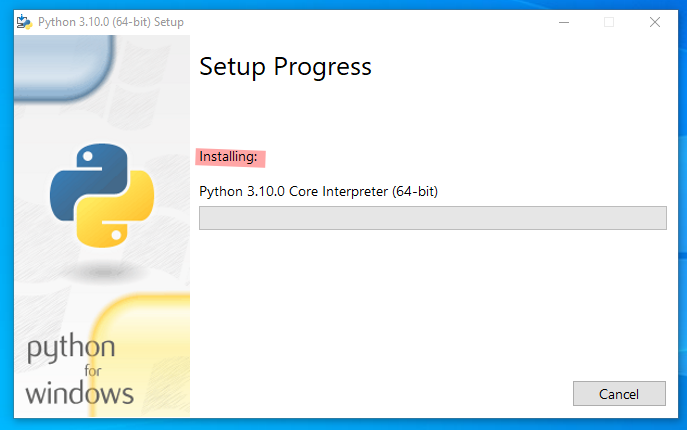
On Windows, you'll run the downloaded installer. Make sure to check the box that says "Add Python to PATH" to make it easier to run from the command line. On macOS and Linux, Python might already be installed. If not, you can download the installer from the website or use your system's package manager.
Your Coding Environment
While you can write Python code in a simple text editor, most developers use an Integrated Development Environment (IDE). An IDE is a software application that combines a code editor, a debugger, and other helpful tools in one place. It makes writing, testing, and fixing code much easier.
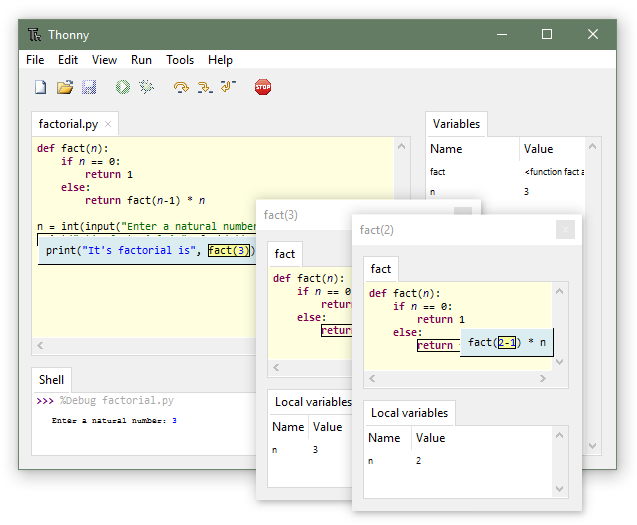
For beginners, an IDE called Thonny is a great choice. It's designed specifically for learning Python. It has a very simple, uncluttered interface and comes with Python already built-in, so you don't have to install it separately. Thonny also has a fantastic visual debugger that helps you see what your code is doing step-by-step.
Let's write our first line of code. It's a tradition in programming to start by making the computer say "Hello, World!". In Python, this is incredibly simple.
print("Hello, World!")
That's it. The print() function is a built-in Python command that displays whatever you put inside the parentheses. Here, we gave it a string of text, and it will print that text to the screen. Open Thonny, type that line into the editor, and click the green 'Run' button to see it in action.
Ready to check your understanding?
Python is considered a high-level language. This means its syntax is designed to be easy for humans to read and write.
What was the inspiration for the name 'Python'?
You've taken the first steps into the world of Python. You know what it is, why it's useful, and how to get it running. Now you're ready to start building things.