Python Fundamentals
Introduction to Python
What Is Python?
Python is a high-level programming language, which means its syntax is designed to be clear and readable, almost like plain English. This makes it a great language for beginners. The name doesn't come from a snake, but from the British comedy troupe Monty Python.
Its design philosophy emphasizes code readability. This simplicity allows programmers to express concepts in fewer lines of code than might be possible in languages like C++ or Java.
Python is a versatile and beginner-friendly programming language that has become immensely popular for its readability and wide range of applications.
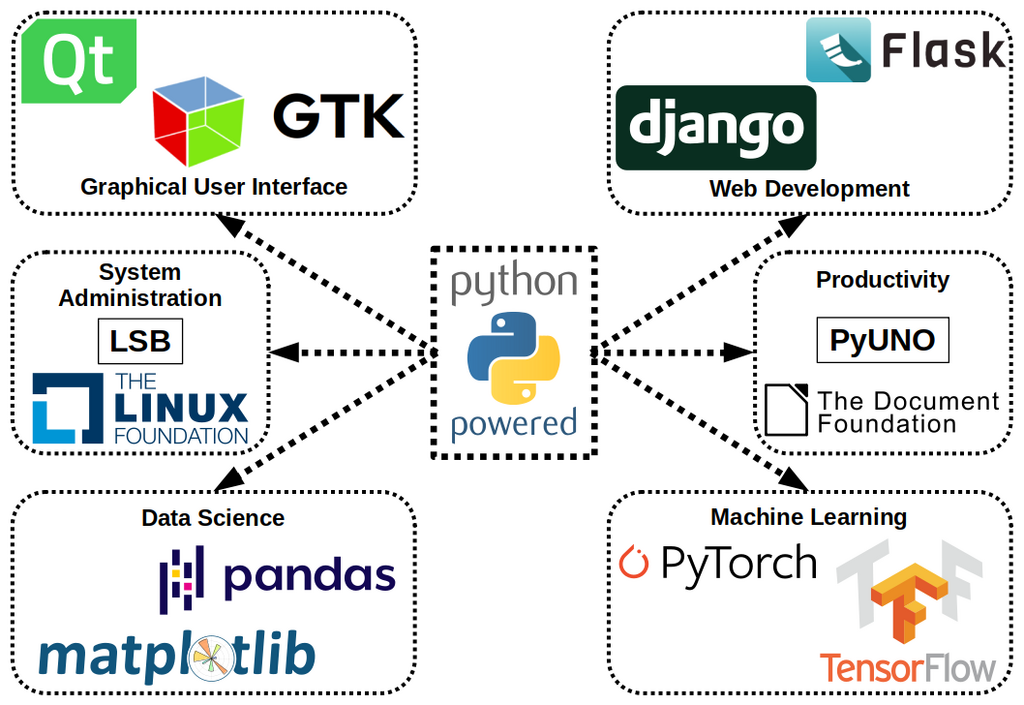
Because of its flexibility, Python is used everywhere. It powers web applications like Instagram and Spotify, helps data scientists analyze huge datasets, and automates repetitive tasks in countless industries. From building games to exploring space, Python is a tool for solving a vast range of problems.
Setting Up Your Workspace
Before you can start writing code, you need two things: the Python interpreter and a place to write your code. The interpreter is a program that reads your Python code and carries out its instructions.
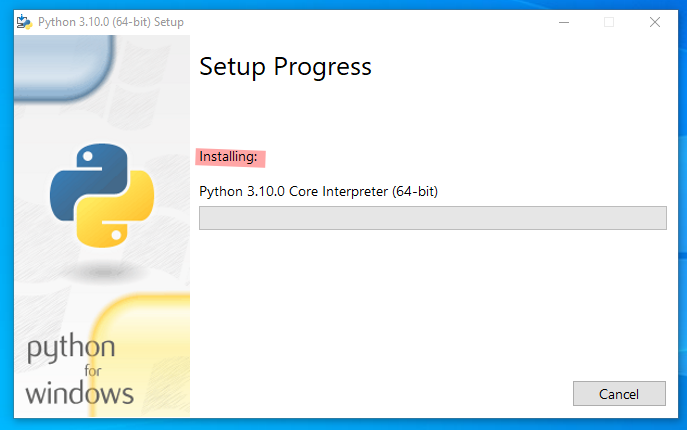
You can download the official Python interpreter from the Python website. The installation process is straightforward, but make sure to check the box that says "Add Python to PATH" during setup on Windows. This allows you to run Python from your computer's command line.
Next, you need a code editor or an Integrated Development Environment (IDE). While you could use a simple text editor, an IDE provides helpful tools like syntax highlighting, code completion, and debugging, which make coding much easier. Popular choices for Python include:
- Visual Studio Code (VS Code): A lightweight but powerful and highly customizable code editor.
- PyCharm: A feature-rich IDE specifically designed for Python development.
- Thonny: A simple IDE designed for beginners.
Any of these will work well. The choice often comes down to personal preference.
Your First Program
It's a tradition in programming to start by making the computer say "Hello, World!". This simple task confirms that your setup is working correctly and introduces you to the basic syntax of the language.
Open your IDE and create a new file. Save it with a .py extension, for example, hello.py. This extension tells your computer that it's a Python file.
Inside this file, type the following line of code:
print("Hello, World!")
Let's break this down:
print()is a function, which is a reusable block of code that performs a specific action. Theprintfunction's job is to display output to the screen.- The text inside the parentheses,
"Hello, World!", is called an argument. It's the information we give to the function. In this case, it's the text we want to display. - The quotation marks tell Python that the text inside is a string, which is a sequence of characters.
Now, it's time to run your program. Most IDEs have a "Run" button (often a green triangle) that will execute your code. You can also run it from your computer's terminal or command prompt by navigating to the directory where you saved your file and typing:
python hello.py
If everything is set up correctly, you'll see the following output:
Hello, World!
Congratulations! You've just written and executed your first Python program.
Now that you've got the basics down, let's test your knowledge.
What is a key design philosophy of the Python language?
What is the purpose of the print() element in the line print("Hello, World!")?
This simple program is the first step on a long and rewarding journey. You now have the fundamental tools to start exploring the world of programming with Python.