Python for MS SQL Database Interaction
Python Environment Setup
Getting Python Ready
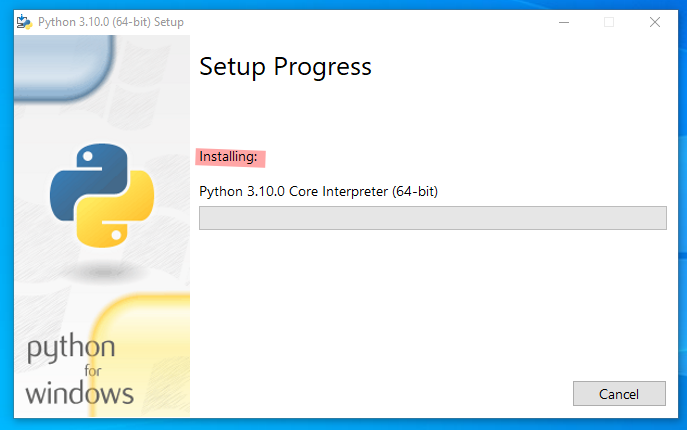
First, you need Python on your computer. If you don't already have it, you can download it from the official Python website, python.org. During installation, it's a good idea to check the box that says "Add Python to PATH." This makes it easier to run Python from your command line or terminal, which we'll be doing shortly.
Create an Isolated Workspace
Before installing any tools, it's smart to create a virtual environment. Think of it as a clean, separate workspace for each of your projects. This prevents tools from one project from conflicting with tools from another. It's a standard practice that keeps your projects organized and your main Python installation tidy.
Python has a built-in tool called venv for this. To create a virtual environment, open your terminal or command prompt, navigate to your project folder, and run a simple command. Let's name our environment sql_env.
# For macOS or Linux
python3 -m venv sql_env

# For Windows
python -m venv sql_env
This creates a new folder named sql_env containing a fresh copy of Python. To start using it, you need to "activate" it. Activating the environment tells your terminal to use the Python and tools inside this folder, not the ones installed globally on your system.
# For macOS or Linux
source sql_env/bin/activate

# For Windows
sql_env\Scripts\activate
Once activated, you'll usually see the environment's name in your terminal prompt, like (sql_env). Now you're ready to install packages specifically for this project.
Install the Connector
To allow Python to talk to a SQL Server database, we need a special library. The most common one is called pyodbc. It acts as a bridge, letting your Python code send and receive data from the database. Make sure your virtual environment is activated, then install it using pip, Python's package installer.
pip install pyodbc
But pyodbc is only one half of the connection. It needs a translator to communicate specifically with Microsoft SQL Server. This translator is called an ODBC driver. ODBC stands for Open Database Connectivity, and it's a standard for accessing databases.
You'll need to install the "Microsoft ODBC Driver for SQL Server" on your system. This is a separate installation from Python or pyodbc. You can find the correct driver for your operating system (Windows, macOS, or Linux) on the official Microsoft documentation website. Simply search for it online, download the installer, and run it. Once the driver is installed, your Python environment is fully configured and ready to establish a connection.