Python for Classification Integration
Introduction to Python
What is Python?
Python is a programming language, which is a way of giving instructions to a computer. Think of it like a recipe. You write a series of steps, and the computer follows them to produce a result, whether that's displaying a website, analysing data, or controlling a robot.
What makes Python so popular, especially for beginners, is its readability. The code often looks a lot like plain English, which makes it easier to learn and understand. It's designed to be clean and straightforward. Instead of getting bogged down in complicated symbols and rules, you can focus on solving problems.
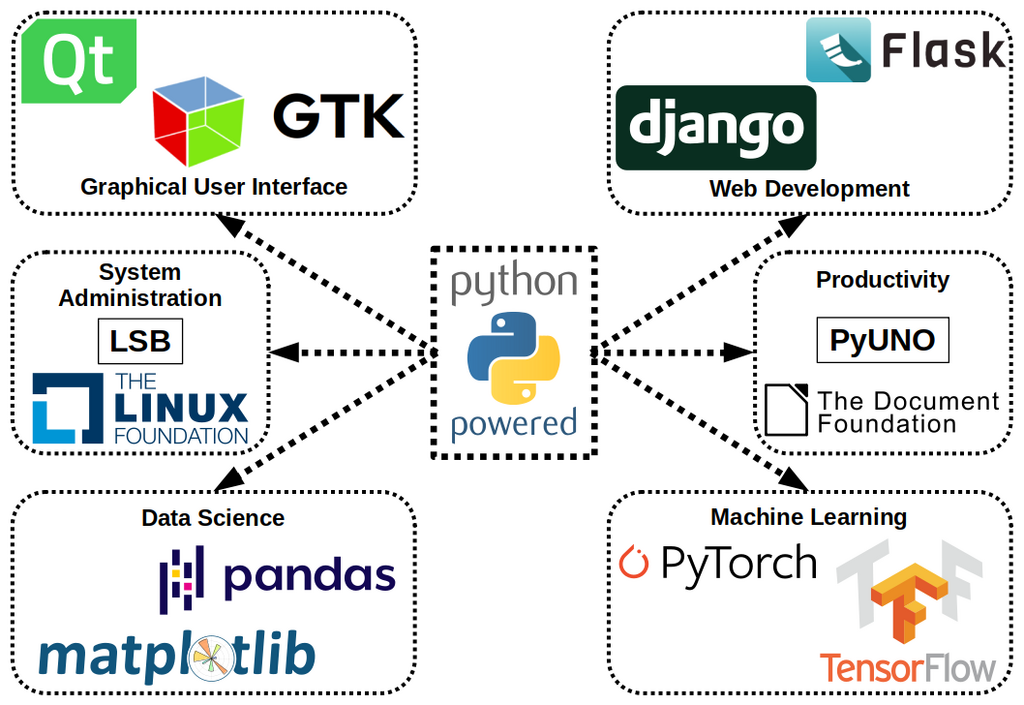
Python is also incredibly versatile. It’s not just for one specific task. Programmers use it for a huge variety of things.
Some common uses for Python include:
- Web Development: Building the parts of websites that users don't see, like databases and server logic.
- Data Science: Analysing large amounts of information to find patterns and make predictions.
- Automation: Writing scripts to perform repetitive tasks, like renaming thousands of files or sending emails.
- Artificial Intelligence: Creating programs that can learn and make decisions, although that's a more advanced topic.
Companies like Google, Netflix, and Instagram all rely heavily on Python for their services. Its flexibility and power, combined with a gentle learning curve, make it an excellent first language to learn.
Getting Python on Your Computer
To start writing and running Python code, you first need to install the Python interpreter. The interpreter is a program that reads your Python code and translates it into instructions the computer can understand and execute. It's the engine that makes your code run.
Getting it is simple. The official source for Python is the Python Software Foundation, and you can download it directly from their website at python.org.
When you visit the site, you'll see a prominent download link for the latest version. It's important to use a recent version of Python 3, as Python 2 is outdated and no longer supported. Just download the installer that matches your operating system (Windows or macOS) and run it.
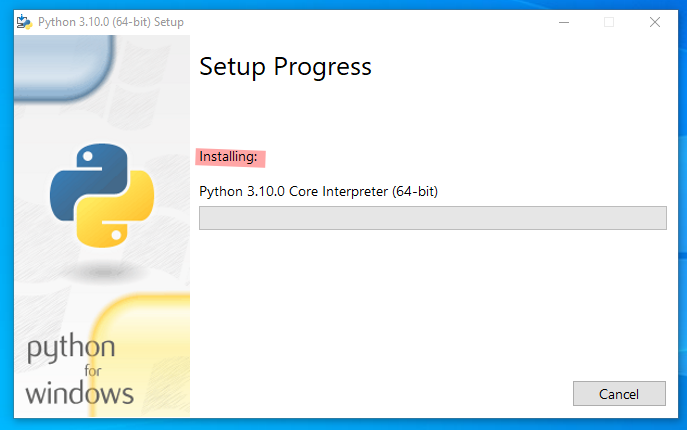
During installation on Windows, make sure to check the box that says "Add python.exe to PATH". This small step makes it much easier to run Python from your computer's command line, a tool we'll explore later. For macOS users, the installer handles this for you.
Your Coding Workshop
While you can write Python code in any simple text editor, most developers use an Integrated Development Environment, or IDE. An IDE is software that brings together all the essential tools for programming into one place. It’s like a well-equipped workshop for a builder, containing a workbench, tools, and blueprints all in one room.
A typical IDE includes:
- A code editor: A text editor with features like syntax highlighting, which colours your code to make it easier to read.
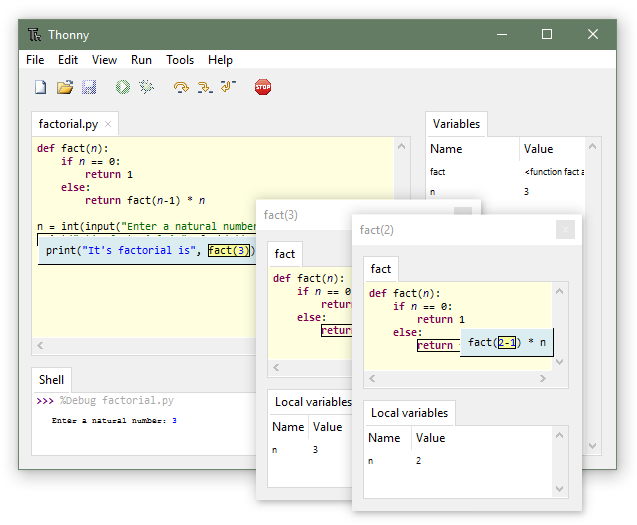
- A debugger: A tool that helps you find and fix errors in your code by letting you run it step-by-step.
- An interpreter or compiler: A way to run your code directly from the application.
For beginners, we recommend an IDE called Thonny. It’s designed specifically for learning. Thonny is simple, uncluttered, and comes with Python already built-in, so you don't need to install it separately. Its best feature is its user-friendly debugger, which visually shows how the computer executes your code one line at a time. This makes it much easier to understand what's happening inside your program.
As you get more experienced, you might want to explore more powerful IDEs. Popular choices among professional developers include Visual Studio Code and PyCharm. These offer many more features, but for now, Thonny provides everything you need to get started on the right foot.
With Python and an IDE installed, you're all set. You have your language and your workshop, and you're ready to start writing your first program.
What is the primary function of the Python interpreter?
According to the text, why is Python often recommended for beginners?