Python for Beginners
Introduction to Python
What Is Python?
Python is a popular programming language, known for being easy to read and write. It was created in the late 1980s by a Dutch programmer named Guido van Rossum. He wanted to make a language that was powerful but also clean and understandable. Fun fact: He named it after the British comedy troupe Monty Python's Flying Circus, not the snake.
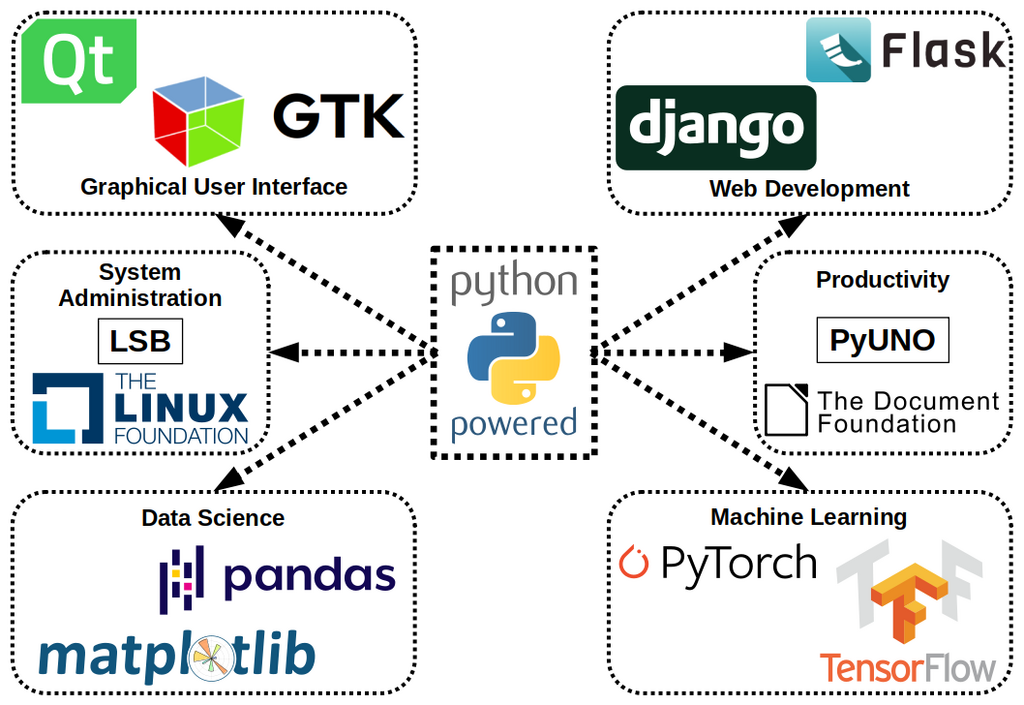
What makes Python so widely used? First, its syntax is simple. It often looks like plain English, which makes it a great first language for beginners. Second, it's incredibly versatile. You can use Python for web development, data science, artificial intelligence, automation, and more. This flexibility means that the skills you learn are valuable in many different fields.
Getting Python on Your Machine
Before you can start writing code, you need to install the Python interpreter. This is a program that reads your Python code and runs the commands. The official place to get it is the Python Software Foundation's website at python.org.
Always download Python from its official website to ensure you're getting a safe and up-to-date version.
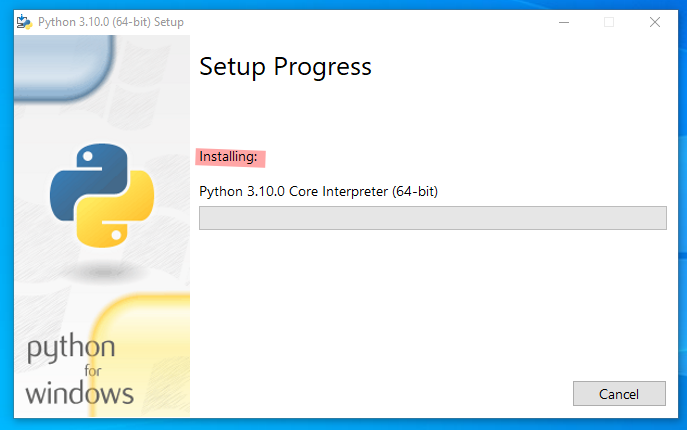
The installation process is straightforward. Head to the downloads page and grab the latest stable version for your operating system (Windows, macOS, or Linux). During installation on Windows, make sure to check the box that says "Add Python to PATH." This small step makes it much easier to run Python from your computer's command line.
Your First Coding Environment
While you can write code in any plain text editor, most programmers use an Integrated Development Environment, or IDE. An IDE is a special application that combines a text editor with other helpful tools for writing and testing code. It’s like a workshop for programmers.
For beginners, we'll use an IDE called Thonny. It was designed specifically for learning Python. It has a simple, clean interface and comes with Python built-in, so you don't have to worry about complex setup. You can download it for free from its website, thonny.org.
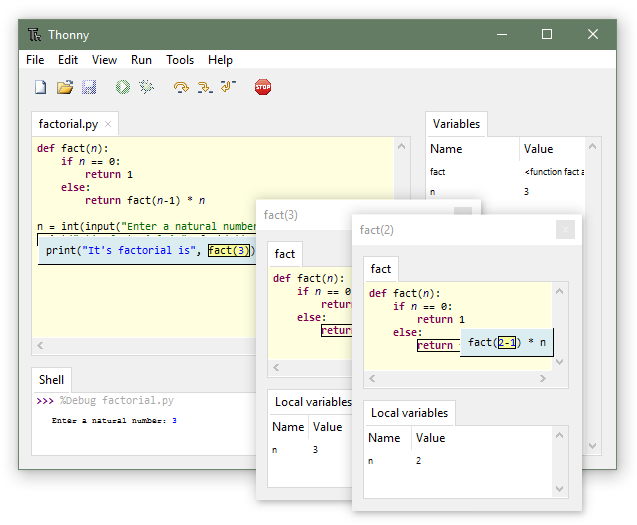
Once you open Thonny, you'll see two main areas. The top part is the script editor, where you will write and save your code files. The bottom part is the shell, where you can type single commands and see the output of your scripts when you run them.
Writing Your First Program
It's a tradition in programming to make your first program print the phrase "Hello, World!" to the screen. Let's do that in Python. In the script editor at the top of the Thonny window, type the following line of code:
print("Hello, World!")
Let's break this down. print() is a function, which is a reusable command that performs a specific action. In this case, it displays text on the screen. The text you want to display goes inside the parentheses and must be wrapped in quotation marks.
Now, to run your program, click the green "Run" button (it looks like a play symbol) on the toolbar. Thonny will ask you to save the file first. Name it something like hello.py and save it to your desktop or a new project folder. The .py extension is important; it tells the computer that this is a Python file.
Once saved, the script will run. You should see the text Hello, World! appear in the shell at the bottom of the window. Congratulations, you've just written and run your first Python program!
Who is the creator of the Python programming language?
What is the primary role of the Python interpreter?