Python Financial Data Tokenization for LLM Analysis
Introduction to Data Privacy
What is Data Privacy?
Think about your bank statement. It lists your purchases, your income, and where you spend your money. This is sensitive financial data. Data privacy is the principle that you should have control over who gets to see and use this information.
It’s not just about keeping secrets. It’s about your right to manage your personal identity and decide how your data is collected, used, and shared. Three core ideas form the foundation of data privacy.
- Ownership: You own your personal data, just like you own your car. Companies are just borrowing it.
- Consent: You must give clear permission before a company can collect or use your data. This means no hidden clauses in long legal documents.
- Transparency: Companies must be open and honest about what data they're collecting, why they need it, and what they plan to do with it.
When these principles are respected, you can make informed decisions about who to trust with your information. It’s the difference between willingly sharing your location with a map app to get directions and a social media app tracking you without your knowledge to sell you things.
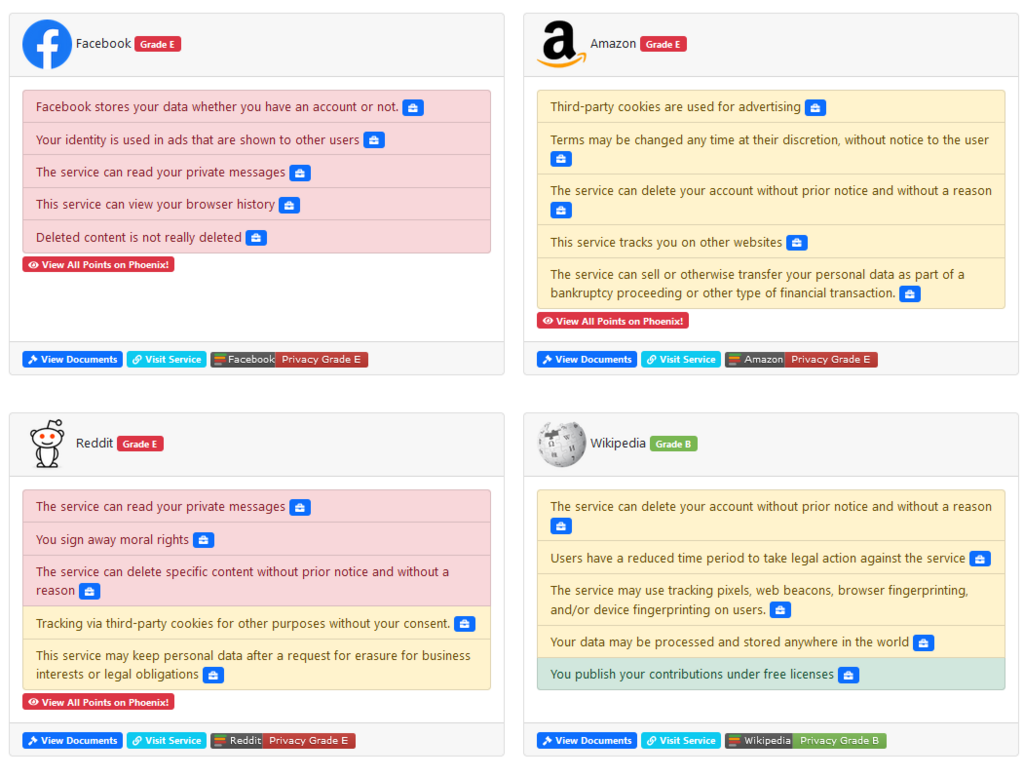
Ethics in Data Handling
Beyond rules and regulations, handling data is an ethical issue. When a company collects your financial data, it holds a position of trust. It has a responsibility to protect that information and use it in a way that doesn't harm you.
Imagine applying for a loan. The lender uses an algorithm that analyzes your spending habits, pulled from a data broker. The algorithm sees you frequently buy fast food and denies your loan, flagging you as financially irresponsible. You were never told this data would be used against you. This is an ethical failure. Companies have a duty to consider the human impact of how they use data, ensuring it promotes fairness, not discrimination.
Consumer data privacy should be an ethical priority for businesses instead of just a regulatory requirement.
Major Privacy Laws
Because ethical behavior isn't always guaranteed, governments have stepped in to create laws that enforce data privacy. Two of the most influential regulations are the GDPR and the CCPA.
GDPR
noun
The General Data Protection Regulation is a landmark data privacy law from the European Union. It gives individuals significant control over their personal data, including the right to access it and request its deletion.
The GDPR set a new global standard for privacy. Soon after, other regions followed suit.
CCPA
noun
The California Consumer Privacy Act is a state law that gives consumers in California more control over the personal information that businesses collect about them. Key rights include the right to know what data is being collected and the right to opt-out of its sale.
While these laws originate in specific places, their impact is global. Many international companies adopt their standards everywhere to simplify compliance. Here’s a quick comparison:
| Feature | General Data Protection Regulation (GDPR) | California Consumer Privacy Act (CCPA) |
|---|---|---|
| Geography | European Union (EU) | California, USA |
| Who it Protects | Anyone in the EU whose data is processed. | Residents of California. |
| Key Principle | Requires a clear legal basis for processing data, often explicit consent. | Grants consumers the right to opt-out of the sale of their personal information. |
| Core Right | The "right to be forgotten" (data erasure). | The "right to know" what data is collected, sold, or disclosed. |
Understanding these basic principles and laws is the first step in protecting your financial life in a digital world. Now, let's test your knowledge.
What is the core principle of data privacy?
A lender uses an algorithm that analyzes your spending habits to deny you a loan, without you being informed that this data would be used for this purpose. This is primarily an example of:
Data privacy is a fundamental right that empowers you to control your personal and financial story.