Python ETL with Airflow Snowflake on AWS
Introduction to ETL
What is ETL?
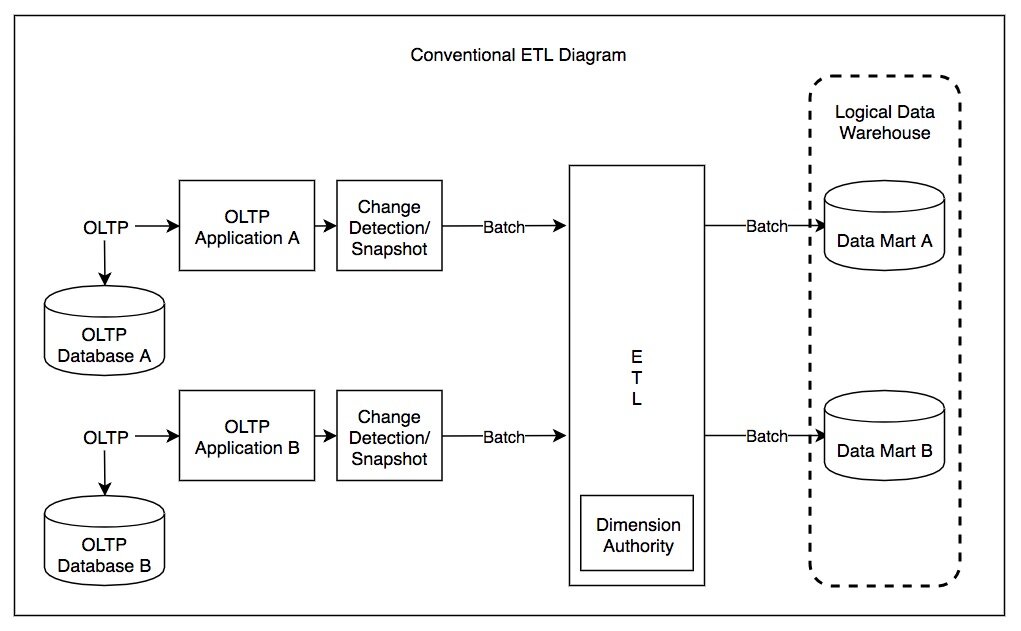
ETL stands for Extract, Transform, and Load. It’s a process for moving data from different places, cleaning it up, and storing it in a central location, like a data warehouse. Think of it like making a fruit salad. You first gather (extract) different fruits from the grocery store. Then, you wash, peel, and chop them (transform) so they are all ready to be mixed. Finally, you put them all together in a single bowl (load) to be served.
The main goal of ETL is to gather data from multiple sources and make it clean, consistent, and ready for analysis.
The Three Steps
Let's break down each part of the process.
Extract
verb
The first step is to pull data from its original sources. These sources can be incredibly varied. They might include customer databases, website logs, spreadsheets, or data from third-party services. The extraction process needs to connect to these different systems and pull out the relevant information.
There are different ways to extract data. You can pull a full copy every time, or you can just extract the changes made since the last time you checked. The method depends on the source system and what you need the data for.
Transform
verb
This is where the real work happens. Raw data is often messy, inconsistent, or incomplete. The transformation step cleans it up and gets it into the right shape. This can involve many tasks.
Common transformations include:
- Cleaning: Fixing typos or filling in missing values.
- Standardizing: Making sure data is consistent. For example, changing “CA,” “Calif.,” and “California” to a single standard: “California.”
- Filtering: Removing duplicate or irrelevant data.
- Combining: Joining data from different sources. For instance, linking customer information with their recent orders.
Load
verb
The final step is loading the newly transformed data into its destination. This is typically a data warehouse, a specialized database designed for analysis and reporting. Once loaded, the data is organized and ready for anyone in the organization to use for making reports, creating visualizations, or training machine learning models.
Common Challenges
While the concept is straightforward, ETL processes can be tricky to manage. One major challenge is data quality. If the raw data is full of errors, the transformation step must be robust enough to catch and fix them. Otherwise, you end up with the “garbage in, garbage out” problem, where bad data leads to bad decisions.
Another issue is scalability. As a company grows, the volume of data it generates can explode. An ETL process that works for a small amount of data might fail or become incredibly slow when faced with millions or billions of records. The system needs to be designed to handle growth.
Finally, complexity can be a problem when dealing with dozens or even hundreds of data sources. Each source might have its own format and quirks, making the extraction and transformation steps difficult to manage and maintain.
Now, let's test your understanding of these core concepts.
In the ETL process, what does the "Transform" step primarily involve?
A company collects customer addresses from three different systems. One system uses "USA", another uses "United States", and a third uses "U.S.". During which ETL phase would you consolidate these into a single format, like "USA"?