Python Desktop App Development
Introduction to Python GUI Development
Beyond the Command Line
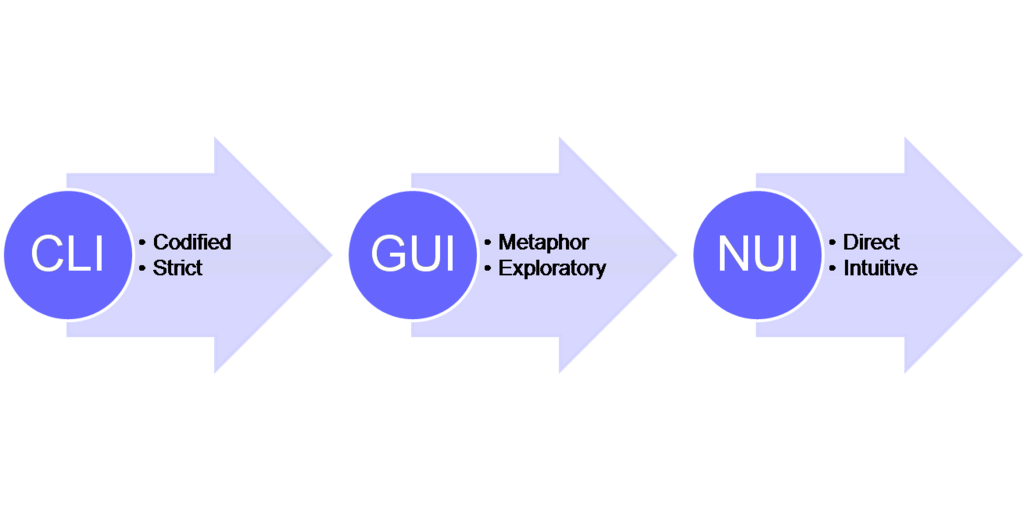
Most of the software we use every day relies on a graphical user interface, or GUI. Think about your web browser, music player, or file explorer. You interact with them by clicking buttons, dragging sliders, and navigating menus—not by typing text commands into a black screen. That visual, point-and-click environment is a GUI.
A GUI acts as a friendly bridge between you and a program's complex code. Instead of memorizing commands, you can discover features visually. This makes software more intuitive and accessible for everyone. Without GUIs, computers would be far less user-friendly.
Python is a fantastic language for building these interfaces. It’s not just for web servers or data analysis. With the right tools, you can use Python to create professional-looking desktop applications that run on Windows, macOS, and Linux. This opens up a whole new world of projects you can build.
Building a Graphical User Interface (GUI) is actually quite easy, and with some patience you can produce amazing projects.
Choosing Your Toolkit
To build a GUI with Python, you use a framework—a collection of pre-written code that handles the hard parts of creating windows, buttons, and other visual elements. Python offers several popular frameworks, each with its own strengths. You don't need to master all of them; you just need to pick the right one for your project.
Here are four of the most common options:
Tkinter
noun
The standard, built-in GUI library for Python. It's simple and comes with every Python installation, making it a great starting point for beginners who want to build basic applications without installing anything extra.
PyQt
noun
A set of Python bindings for the powerful Qt application framework. PyQt is known for creating polished, professional, and feature-rich applications. It's a top choice for commercial software.
Kivy
noun
An open-source library for developing applications with a focus on touch-based interfaces. Kivy is perfect for creating apps that will run on desktops as well as mobile devices like Android and iOS.
wxPython
noun
A wrapper for the wxWidgets C++ library. It allows you to create native-looking applications on different platforms. If you want your app to look and feel like it was built specifically for Windows or macOS, wxPython is a strong contender.
Choosing a framework often comes down to your project's goals. Do you need something simple and quick, or powerful and customizable? Does it need to run on a phone?
| Framework | Best For | Learning Curve | Key Feature |
|---|---|---|---|
| Tkinter | Beginners, simple tools | Low | Included with Python |
| PyQt | Professional, complex apps | Medium | Rich set of widgets |
| Kivy | Mobile & touch apps | Medium | Cross-platform for mobile |
| wxPython | Native-looking desktop apps | Low-Medium | Uses native UI elements |
Now let's check your understanding of these different frameworks.
What is the primary function of a Graphical User Interface (GUI)?
According to the text, why are GUI frameworks useful for Python developers?
With a basic understanding of what a GUI is and the tools available in Python, you're ready to start thinking about the kinds of interactive applications you can create.