PVC Ceiling Installation Mastery
Introduction to PVC Ceilings
What Is a PVC Ceiling?
PVC stands for polyvinyl chloride, a lightweight but strong type of plastic. When used for ceilings, it comes in the form of panels or planks that fit together, creating a clean, finished surface. Think of it as a modern alternative to traditional plaster or drywall ceilings.
The biggest draw for many is its practical benefits. PVC is completely waterproof, which means it won’t get damaged by moisture, humidity, or leaks. This makes it a fantastic choice for rooms where dampness is a concern. It's also highly durable and resistant to termites, so it lasts for years with very little upkeep. A simple wipe-down with a damp cloth is usually all it takes to keep it looking new.
Unlike some other materials, PVC is lightweight, which simplifies handling and installation. This often translates into lower labor costs.
Finally, PVC ceilings are available in a huge range of colors, finishes, and designs. You can find panels that look like wood, have metallic sheens, or are just a simple matte white. This versatility allows them to fit into almost any design scheme, from homes to commercial buildings.
Where They Work Best
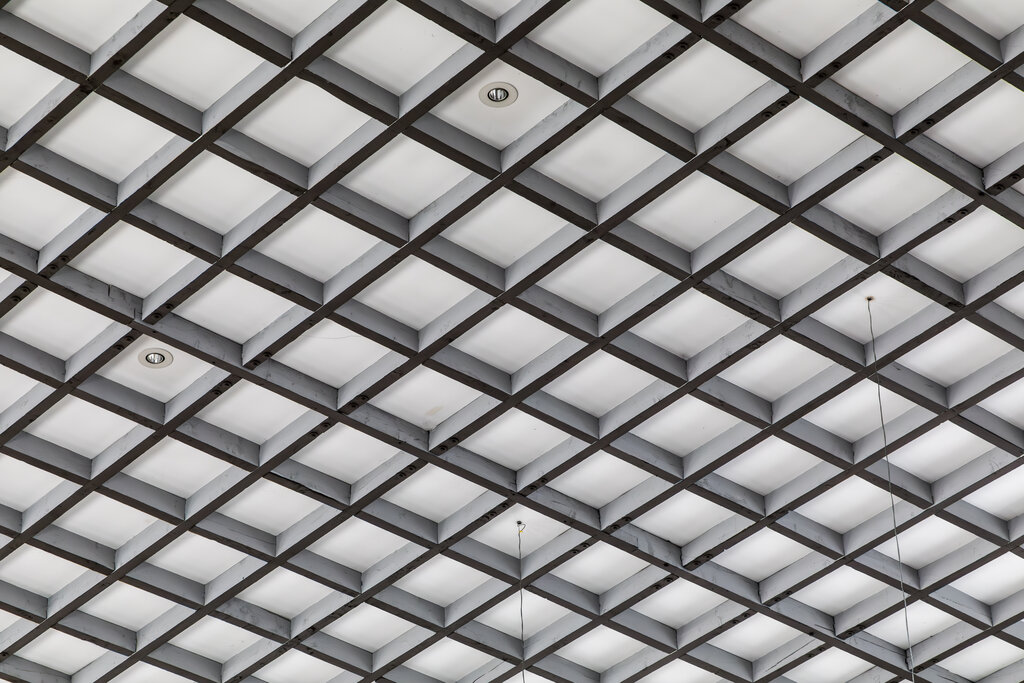
Because of their moisture-resistant properties, PVC ceilings are a natural fit for bathrooms, kitchens, and laundry rooms. They prevent the growth of mold and mildew and won't warp or stain from steam and humidity.
They're also excellent for basements and garages. These areas are often prone to dampness, and a PVC ceiling provides a protective barrier that won't get damaged by occasional moisture. In commercial settings, you’ll often see them in offices, hospitals, hotels, and restaurants. The reasons are simple: they are hygienic, easy to clean, and meet fire safety standards, all while being cost-effective for large spaces.
How They Are Installed
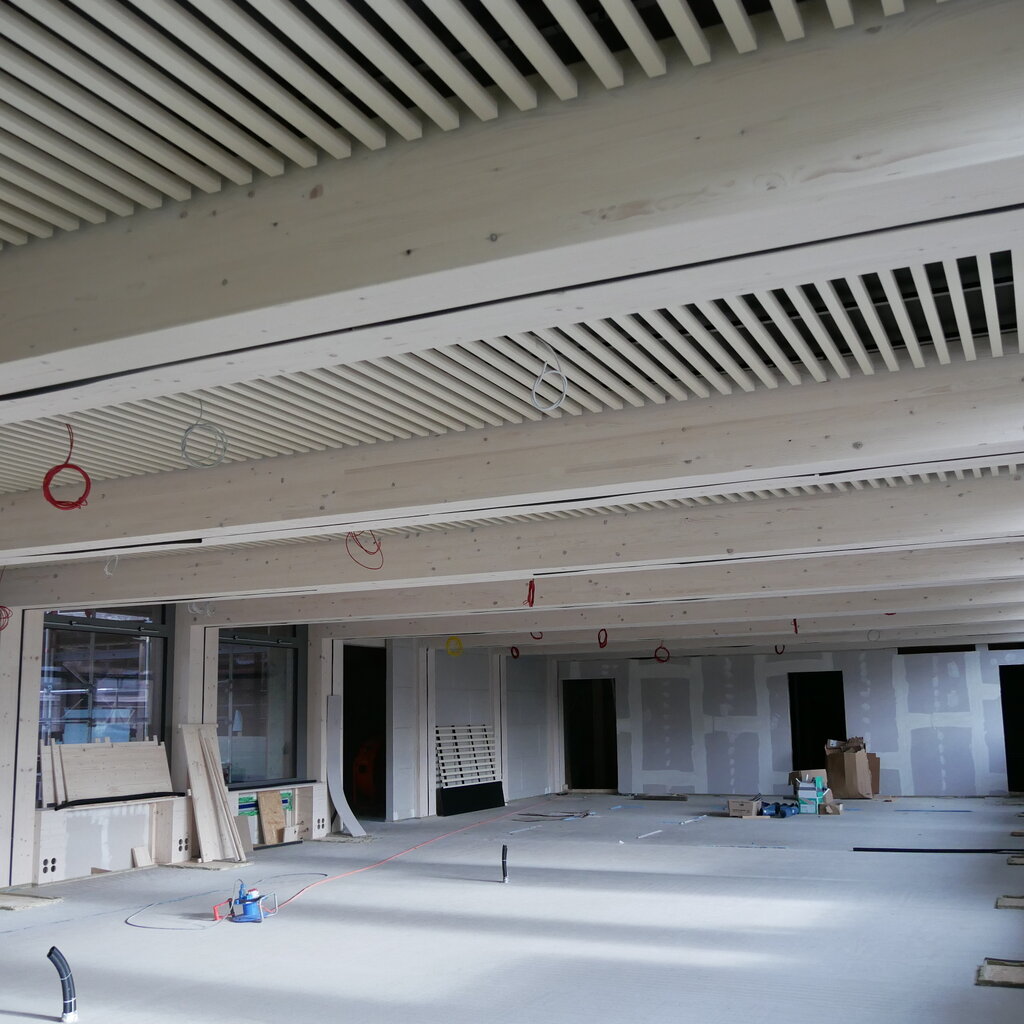
The installation process is relatively straightforward, which is another reason for its popularity. It doesn't require wet work like plastering, which means less mess and a faster setup time.
The process generally follows these steps:
| Step | Action |
|---|---|
| 1. Framework | A grid is created using a lightweight metal (like galvanized iron or aluminum) that is fixed to the existing ceiling slab or roof trusses. This framework forms the support structure for the panels. |
| 2. Sizing | PVC panels are measured and cut to the required dimensions to fit the room perfectly. Openings for lights, fans, or vents are also cut out at this stage. |
| 3. Panel Fitting | The cut panels are then interlocked with each other and secured to the metal framework. Most panels use a tongue-and-groove system, allowing them to slide together for a seamless finish. |
This method creates a suspended or "false" ceiling. It neatly conceals wiring, pipes, and ductwork while providing a sleek, modern look.
What is the primary advantage of using PVC ceilings in areas like bathrooms and kitchens?
Which of the following is NOT a characteristic of PVC ceilings?
Now that you know the basics of PVC ceilings, you're ready to explore more detailed aspects of choosing and installing them.