PV to SiC Manufacturing Facility Adaptation IT/OT
Introduction to Silicon Carbide
Beyond Silicon
For decades, silicon has been the undisputed king of the electronics world. It's the foundation of the computer chips in our phones, laptops, and just about everything else. But as our technology demands more power and greater efficiency, silicon is starting to show its limits. A new contender is stepping up: Silicon Carbide, or SiC.
SiC isn't entirely new, but its application in high-power electronics is revolutionary. It's a compound of silicon and carbon that forms an incredibly hard and durable crystal. While standard silicon is a fantastic semiconductor, SiC belongs to a special class of materials that can handle much tougher conditions.
The SiC Advantage
What makes SiC so special? It comes down to a few key properties that leave traditional silicon in the dust, especially when the heat is on.
Semiconductor
noun
A material that can conduct electricity under some conditions but not others, making it an ideal medium for controlling electrical current.
First, SiC has superior thermal conductivity. Think of it like a high-end cooking pan that distributes heat evenly and quickly, preventing hot spots. SiC devices can run hotter without degrading, which means they can handle more power in a smaller space and require less bulky cooling systems.
Next is its high breakdown voltage. Imagine a dam holding back a reservoir of water. A silicon device is like a standard dam, holding back a certain amount of electrical pressure. SiC is like a much taller, thicker dam that can withstand immense pressure before it ever breaks. This allows SiC components to handle voltages that would instantly destroy their silicon counterparts.
This wide bandgap allows SiC to operate at higher voltages and temperatures without the risk of breaking down or losing efficiency.
Finally, SiC is more efficient. In electronics, inefficiency often means wasted energy lost as heat. Because SiC can operate at higher voltages and frequencies with lower resistance, less energy is wasted. This means more of the power going into a device is used for its intended purpose.
Where SiC Shines
These advantages aren't just theoretical. They're already transforming major industries. The demand for SiC is skyrocketing as more companies realize its potential.
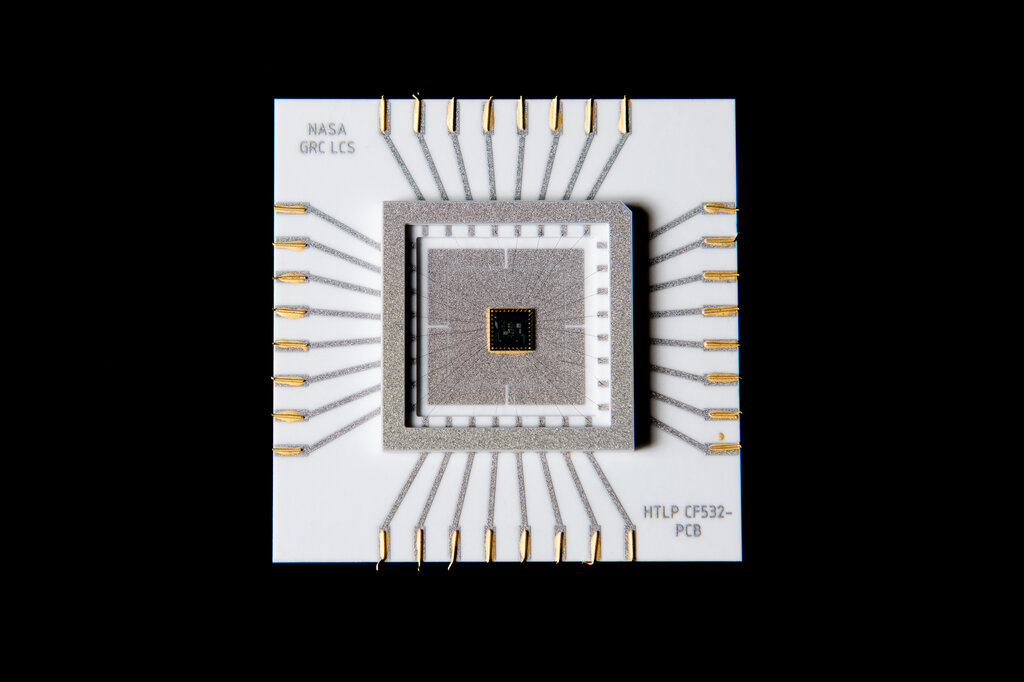
In the automotive world, SiC is a game-changer for electric vehicles (EVs). Using SiC in the inverter—the component that converts DC power from the battery to AC power for the motor—makes the car more efficient. That translates directly to longer driving ranges and faster charging times.
Renewable energy sources like solar and wind also benefit. SiC-based inverters can convert the DC electricity generated by panels and turbines into AC for the grid with significantly lower energy loss, maximizing the power harvested from nature.
Even telecommunications relies on SiC. The high-power, high-frequency transmitters needed for 5G networks run more efficiently and reliably with SiC components.
The trend is clear: as we move toward a more electric and connected world, the demand for powerful and efficient electronics will only grow, and SiC is poised to meet that need.
Manufacturing Hurdles
If SiC is so great, why isn't it everywhere? The main challenge is manufacturing. Creating high-purity, defect-free SiC crystals is a slow and difficult process. The material's extreme hardness makes it tough to slice into wafers and fabricate into chips.
These difficulties mean that SiC devices are currently more expensive to produce than silicon ones. However, as manufacturing techniques improve and scale up, costs are coming down. The performance benefits often outweigh the initial cost, especially in applications where efficiency and durability are critical.
Time for a quick check on what you've learned.
What is the primary advantage of Silicon Carbide's (SiC) superior thermal conductivity in electronic devices?
An electric vehicle (EV) manufacturer chooses to use SiC in its inverters, despite the higher initial cost compared to silicon. What is the most likely benefit they are seeking?
Silicon Carbide represents a major leap forward in power electronics. It's pushing the boundaries of what's possible, from extending the range of EVs to making our power grid more efficient.