Purple Hibiscus Deep Dive
Introduction to Postcolonial Literature
After the Empire
Empires don't just disappear when a new flag is raised. Their influence lingers for generations, shaping language, culture, and how people see themselves. Postcolonial literature is born from this aftermath. It's the body of writing from authors in countries that were once colonies, primarily of European powers.
These stories are not just set in a post-independence world; they actively grapple with the legacy of colonization. They ask tough questions about what was lost, what was gained, and what it means to build a new identity from the complex, often painful, pieces left behind.
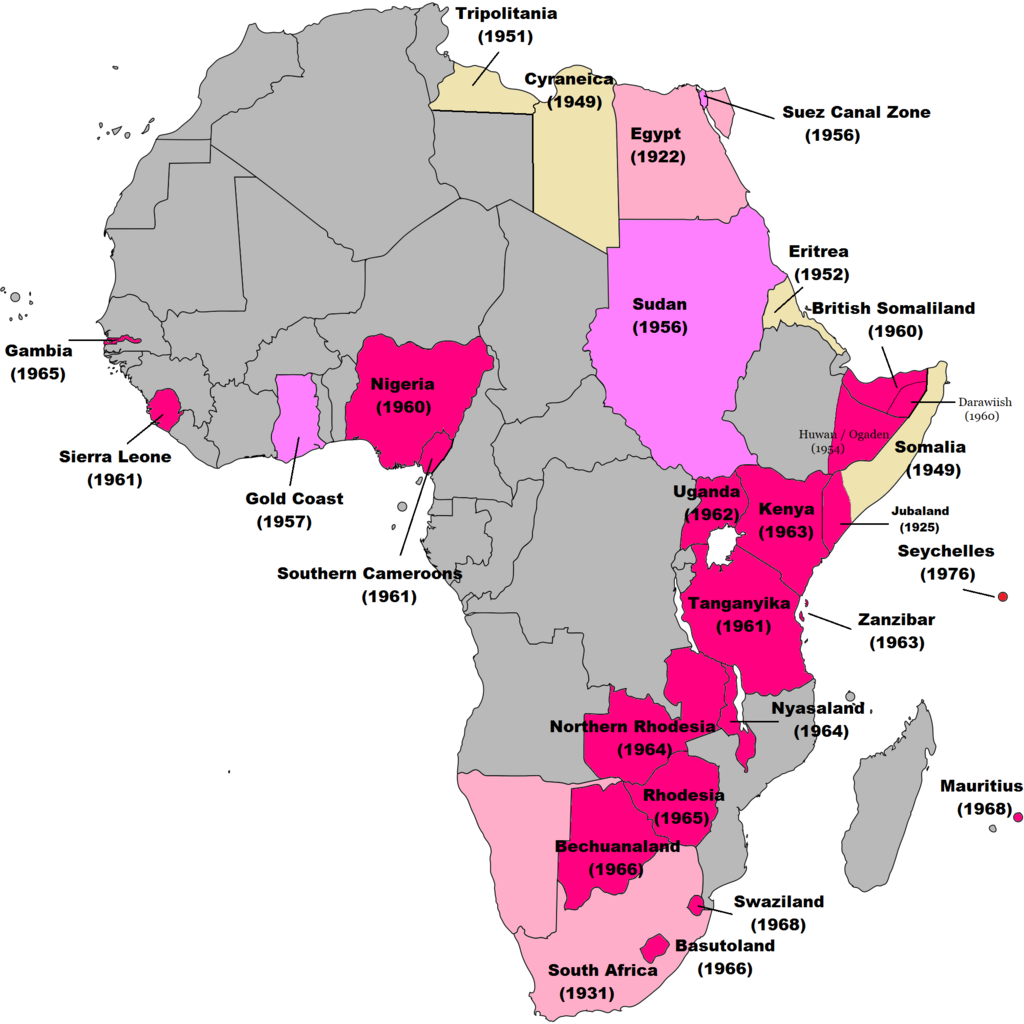
For centuries, the story of colonized peoples was often told for them, by the colonizers. This created a one-sided narrative that portrayed local cultures as primitive or in need of saving. Postcolonial writers challenge this by telling their own stories, in their own voices. It's an act of writing back to the center of power, reclaiming history and culture from the margins.
Postcolonial literature seeks to give voice to marginalized groups and to reclaim cultural narratives that were suppressed during colonial rule.
Core Questions
While the settings and stories vary widely, from the Caribbean to India to Africa, a few key themes weave through postcolonial literature.
Identity: Who am I now? This is the central question. Writers explore the tension between ancient, pre-colonial traditions and the culture imposed by the colonizers. Characters often feel caught between two worlds, struggling with a hybrid identity that is neither one nor the other, but a new, complex blend of both.
Power and Language: Colonization wasn't just a military or political act; it was a cultural one. The colonizer's language often became the language of government, education, and power. Postcolonial authors must decide how to use this language. Do they write in English or French to reach a global audience, or do they use their native tongue? Many writers cleverly subvert the colonial language, infusing it with local rhythms, words, and proverbs to make it their own.
Resistance: This isn't always about open rebellion. In postcolonial literature, resistance can be subtle. It can be the act of preserving an oral story, practicing a forbidden custom, or simply telling a story from a perspective that has been ignored. It’s about challenging the idea that the colonizer’s way is the only way.
Pioneering Voices
Many writers have shaped this field. Chinua Achebe's 1958 novel Things Fall Apart is often considered a foundational text. It tells the story of an Igbo community in Nigeria before the arrival of Europeans and chronicles the devastating impact of their arrival. It was a powerful counter-narrative to colonial depictions of Africa.
Other key figures include Ngũgĩ wa Thiong'o from Kenya, who has argued for the importance of writing in native African languages, and Salman Rushdie, whose work explores the hybrid identities of the South Asian diaspora. These authors, and many others, created a space for new stories to be told, paving the way for contemporary writers like Chimamanda Ngozi Adichie.
What is the primary focus of postcolonial literature?
The concept of "writing back to the center" in postcolonial literature means challenging the one-sided narratives created by colonizers.
This foundation gives us a lens through which to read and understand works that emerge from these complex histories.