Punjabi Language Fundamentals
Punjabi Alphabet
The Gurmukhi Script
The script used to write Punjabi is called Gurmukhi, which means "from the mouth of the Guru." It was standardized by the second Sikh Guru, Guru Angad Dev. Unlike the English alphabet, Gurmukhi is an abugida. This means that consonants carry an inherent vowel sound, which can be modified using special vowel signs.
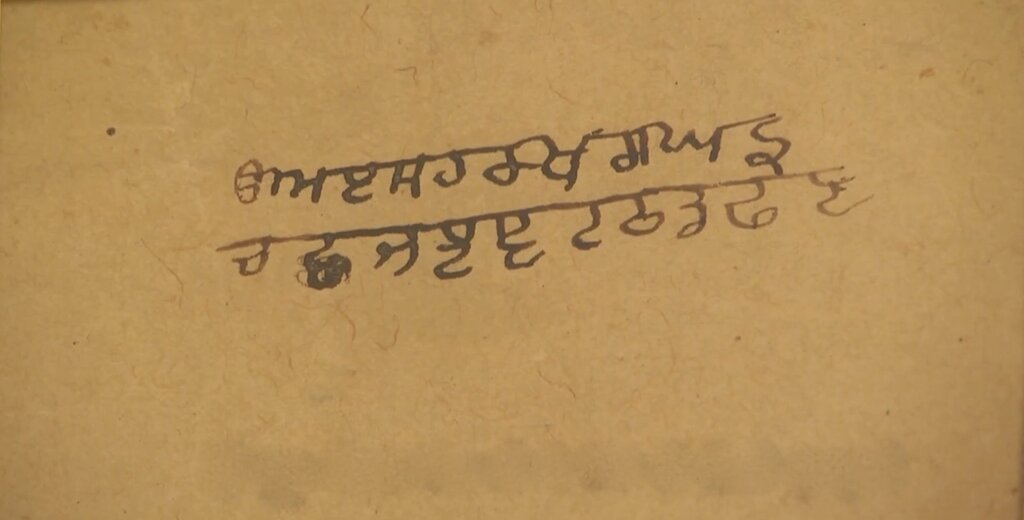
Gurmukhi is written from left to right, just like English. The script consists of 35 original letters, along with several newer characters and diacritics, which are marks added to letters to change their sound.
Vowels and Consonants
The foundation of Gurmukhi rests on its vowels and consonants. There are ten primary vowel sounds, represented by three "vowel holder" characters and various diacritics. The consonants form the bulk of the alphabet.
A key difference from English is that each consonant in Gurmukhi has a built-in 'a' sound (like the 'a' in 'about'). For example, the first consonant, ਕ, is pronounced 'ka'.
Let's look at the main consonants. They are traditionally arranged in a grid based on how the sounds are produced in the mouth.
| Gurmukhi | Romanization | Sound |
|---|---|---|
| ਕ | kakka | k |
| ਖ | khakha | kh |
| ਗ | gagga | g |
| ਘ | ghaggha | gh |
| ਙ | ungga | ng |
| ਚ | chacha | ch |
| ਛ | chhachha | chh |
| ਜ | jajja | j |
| ਝ | jhajja | jh |
| ਞ | njanja | ny |
| ਟ | tainka | t (retroflex) |
| ਠ | thattha | th (retroflex) |
| ਡ | dadda | d (retroflex) |
| ਢ | dhaddha | dh (retroflex) |
| ਣ | nana | n (retroflex) |
| ਤ | tatta | t (dental) |
| ਥ | thatha | th (dental) |
| ਦ | dadda | d (dental) |
| ਧ | dhaddha | dh (dental) |
| ਨ | nanna | n |
| ਪ | pappa | p |
| ਫ | phapha | ph |
| ਬ | babba | b |
| ਭ | bhabba | bh |
| ਮ | mamma | m |
| ਯ | yaiyya | y |
| ਰ | rara | r |
| ਲ | lalla | l |
| ਵ | vavva | v/w |
| ੜ | rara | r (flapped) |
Now for the vowels. The ten vowel sounds are based on three fundamental vowel-holder letters. When these letters stand alone or begin a word, they are used. Otherwise, special marks called laga matra are attached to consonants to create the vowel sounds.
| Holder | Name | Sound |
|---|---|---|
| ੳ | Ura | (Holds u, oo, o sounds) |
| ਅ | Aira | (Holds a, aa, ai, au sounds) |
| ੲ | Iri | (Holds i, ee, e sounds) |
Adding Vowel Sounds
To change the inherent 'a' sound of a consonant, we use diacritics, or laga matra. These are marks placed above, below, or to the side of a consonant. Each one corresponds to a specific vowel sound.
Besides vowels, there are three other important marks:
- Bindi (ਂ): A dot above a letter that creates a nasal sound, like the 'n' in 'sing'.
- Tippi (ੰ): A mark above a letter that also creates a nasal sound, used with specific vowels.
- Adhak (ੱ): A mark above and between two consonants that indicates the following consonant sound should be doubled or stressed.
By combining consonants and diacritics, you can form any word in Punjabi.
For example, the word for God, Waheguru, is written ਵਾਹਿਗੁਰੂ. It breaks down like this: ਵ (v) + ਾ (aa) = ਵਾ (vā) ਹ (h) + ਿ (i) = ਹਿ (hi) ਗ (g) + ੁ (u) = ਗੁ (gu) ਰ (r) + ੂ (ū) = ਰੂ (rū)
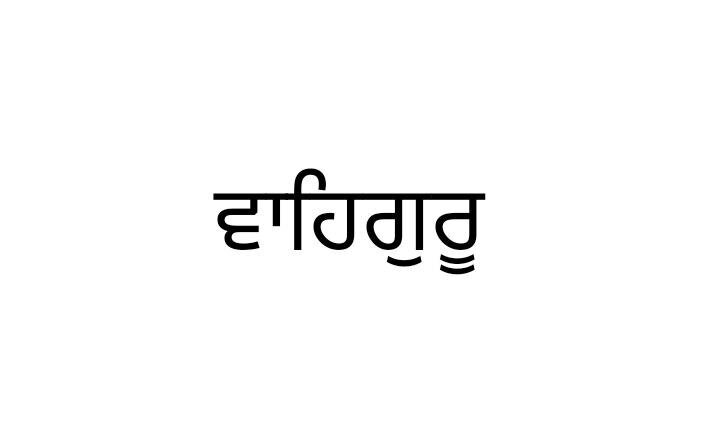
Getting comfortable with these characters is the first big step. Practice writing them and saying their sounds out loud.
Ready to test your knowledge? Let's see how many characters you can recognize.
Who is credited with standardizing the Gurmukhi script?
Gurmukhi is described as an abugida. What is the key characteristic of this type of writing system?
Mastering the alphabet is the foundation for reading and writing. Keep practicing, and you'll soon be able to recognize these letters everywhere.