Pump Mechanics Fundamentals
Introduction to Pump Mechanics
What Is a Pump?
At its core, a pump is a machine designed to move fluids. These fluids can be liquids, gases, or even slurries, which are mixtures of solids suspended in a liquid. From the human heart circulating blood to the massive systems that transport water to our homes, pumps are essential in countless natural and industrial processes.
The main job of any pump is to take fluid from a low-pressure area and deliver it to a high-pressure area.
To do this, a pump must perform work on the fluid. This involves a fundamental process of energy conversion. Pumps take an external energy source, like an electric motor or a gasoline engine, and convert that mechanical energy into fluid energy. This added energy is what forces the fluid to move from one place to another, overcome gravity, or flow against resistance in a pipe.
The Two Pump Families
While there are thousands of pump designs, they almost all fall into two main categories: dynamic pumps and positive displacement pumps. The key difference between them is how they move the fluid.
Dynamic pumps continuously add energy to the fluid, increasing its velocity. Centrifugal pumps are the most common type. They use a spinning impeller to accelerate the fluid, essentially flinging it outward. As the fast-moving fluid exits the impeller and slows down within the pump's casing, its kinetic energy (energy of motion) is converted into potential energy (pressure).
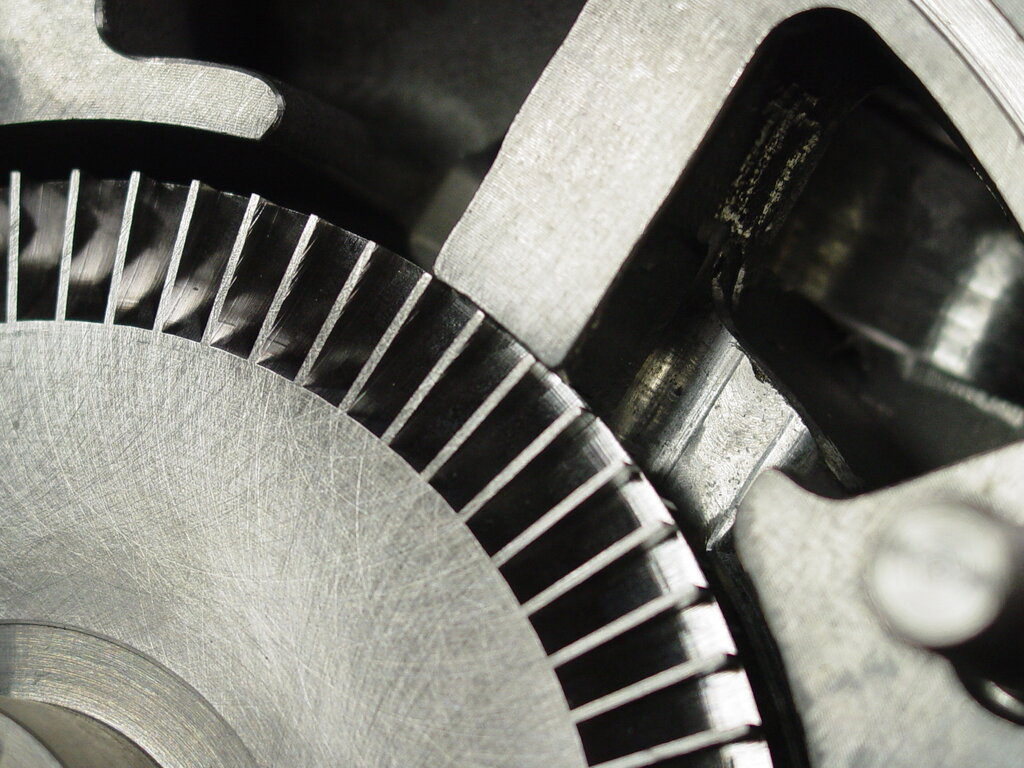
Positive displacement pumps, on the other hand, work by trapping a fixed amount of fluid and then forcing it into the discharge pipe. Think of a medical syringe: pulling back the plunger traps a specific volume of liquid, and pushing the plunger displaces that liquid, forcing it out. This action is cyclical, with the pump delivering a consistent volume of fluid with each rotation or stroke.
Dynamic pumps create flow by increasing fluid velocity. Positive displacement pumps create flow by capturing and pushing a set volume of fluid.
Energy in Motion
Understanding pumps is all about understanding energy. The mechanical energy that drives the pump is transferred to the fluid, increasing its total energy. This energy can manifest as:
- Pressure Head: The potential energy of the fluid, which allows it to overcome resistance and rise to a certain height.
- Velocity Head: The kinetic energy of the fluid due to its motion.
- Elevation Head: The potential energy due to the fluid's height relative to a reference point.
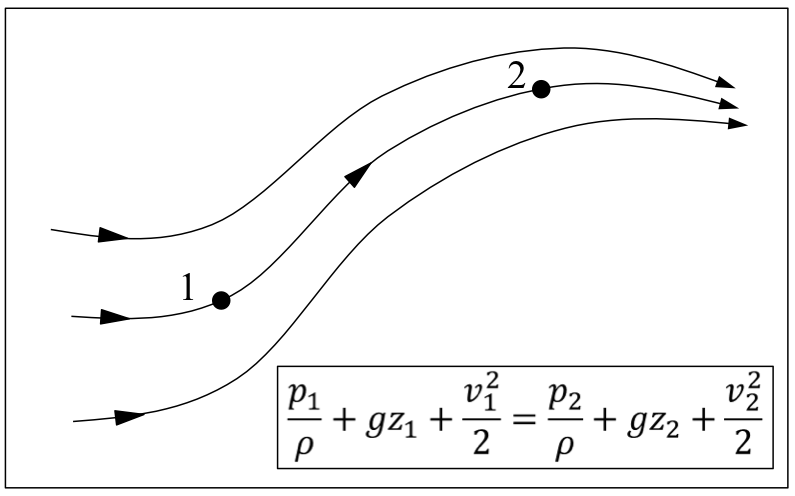
A pump's primary function is to increase the pressure and velocity head of the fluid, enabling it to do useful work. The specific design of the pump, whether dynamic or positive displacement, determines the most effective way it achieves this energy conversion for different applications, from moving water in a city to pumping oil from deep underground.
What is the fundamental purpose of a pump?
A pump's primary function is to convert an external source of mechanical energy into fluid energy.