Pump Alignment Fundamentals
Introduction to Pump Alignment
What Is Pump Alignment?
Pump alignment is the process of positioning a pump and its driver, usually an electric motor, so that the centerlines of their rotating shafts are perfectly lined up. Think of it like connecting two train cars. For a smooth connection, the couplers must meet exactly. If they're off, even slightly, the connection will be stressed and unstable.
In a pump system, the motor's shaft provides the rotational power, and a coupling transfers that power to the pump's shaft. For this power transfer to be efficient and stable, the two shafts must be collinear, meaning they share the same straight line in both the horizontal and vertical planes. Even a tiny deviation can cause major problems.
The Trouble with Misalignment
When shafts are not aligned, the system doesn't run smoothly. The most immediate and obvious symptom is vibration. As the misaligned shafts rotate, they create opposing forces that shake the entire assembly. This constant shaking is more than just an annoyance; it's a destructive force.
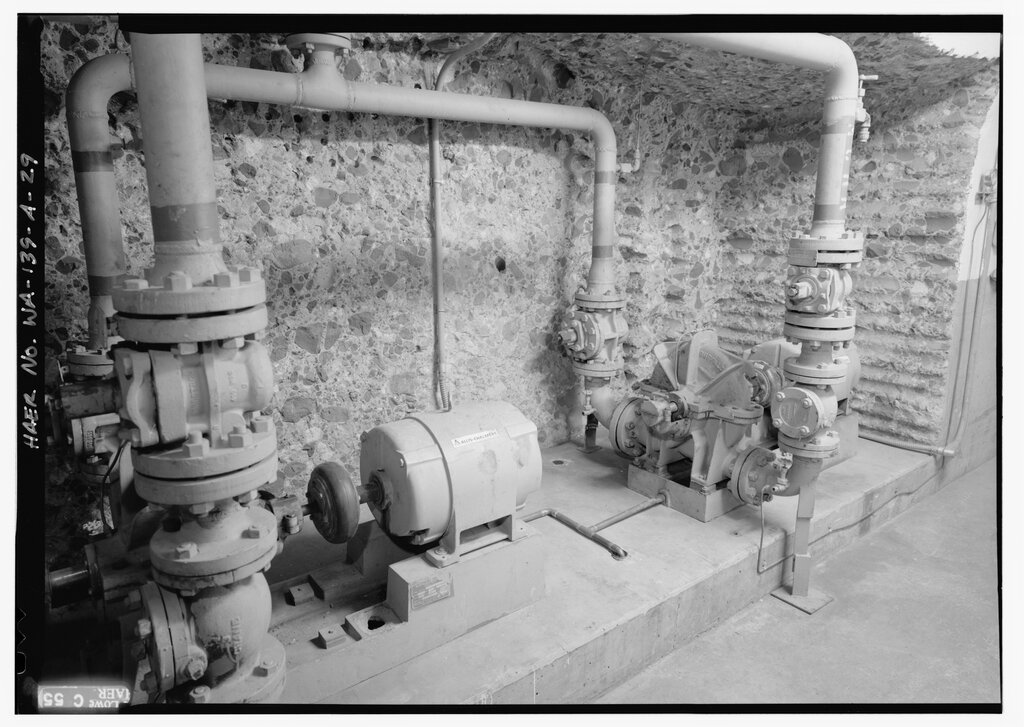
Vibration puts immense stress on machine components. Bearings, which are designed to support smooth rotation, wear out rapidly under the constant jarring. Mechanical seals, which prevent leaks, can fail, leading to fluid loss and potential safety hazards. The coupling itself can wear down or even break. All of this leads to more frequent, and often unexpected, equipment shutdowns for repairs.
Misalignment also wastes energy. The motor has to work harder to overcome the friction and resistance caused by the misalignment, consuming more electricity to do the same amount of work.
The Payoff of Precision
Getting the alignment right pays off significantly. A properly aligned pump system is an efficient and reliable one. With the shafts perfectly collinear, the transfer of power from the motor to the pump is seamless.
The benefits are the direct opposite of the consequences of misalignment:
- Reduced Vibration: The machine runs smoothly and quietly, as it was designed to.
- Longer Component Life: Bearings, seals, and couplings are no longer subjected to damaging stress, so they last much longer. This reduces maintenance costs and downtime.
- Improved Energy Efficiency: With less friction and vibration to overcome, the motor uses less power, leading to lower energy bills.
- Greater Reliability: The pump is far less likely to fail unexpectedly, making operations more predictable and productive.
Shaft alignment checks and corrections are essential for preventing premature bearing failure and ensuring efficient power transmission
Time spent ensuring proper alignment is an investment that protects the equipment and improves the bottom line.
What is the primary goal of pump alignment?
What is the most immediate and obvious symptom of misaligned pump shafts?