Pulling Out All the Stops
Pipe Organ Basics
The Organ's Engine
A pipe organ is a massive wind instrument. At its heart, it's a sophisticated system for controlling airflow. The organist sits at a console, which is the command center. This is where you'll find keyboards for the hands, a pedalboard for the feet, and rows of knobs or tabs.
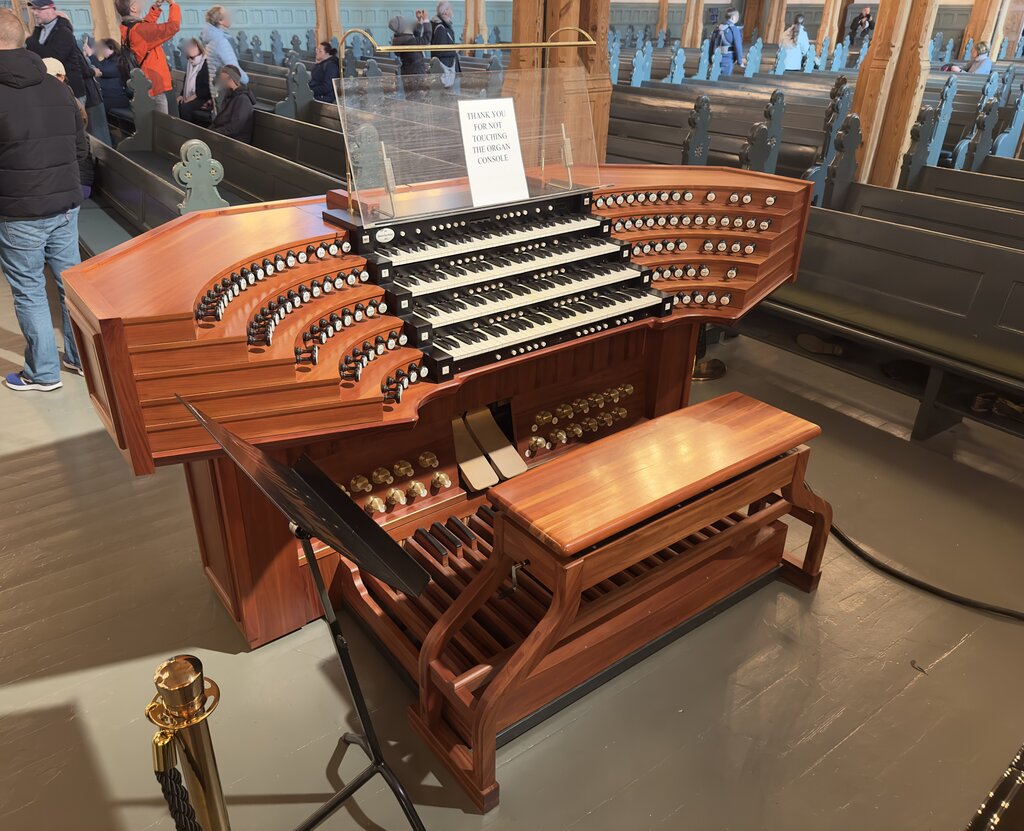
These controls are called 'stops.' Pressing a key on the keyboard doesn't do anything by itself. For a pipe to sound, an organist must first select which sounds they want to use. This is done by activating a stop.
Airflow and Sound
Sound in a pipe organ begins with pressurized air, which is stored in a reservoir. This air is sent into a large, airtight box called a windchest. All the pipes for a particular keyboard sit on top of this windchest.
When an organist presses a key, a valve called a pallet opens directly beneath the corresponding pipe. This allows air from the windchest to rush upwards. But there’s one more crucial step before a sound is made.
rank
noun
A set of pipes, one for each note on the keyboard, that produces a specific tone quality or timbre, like a flute or trumpet sound.
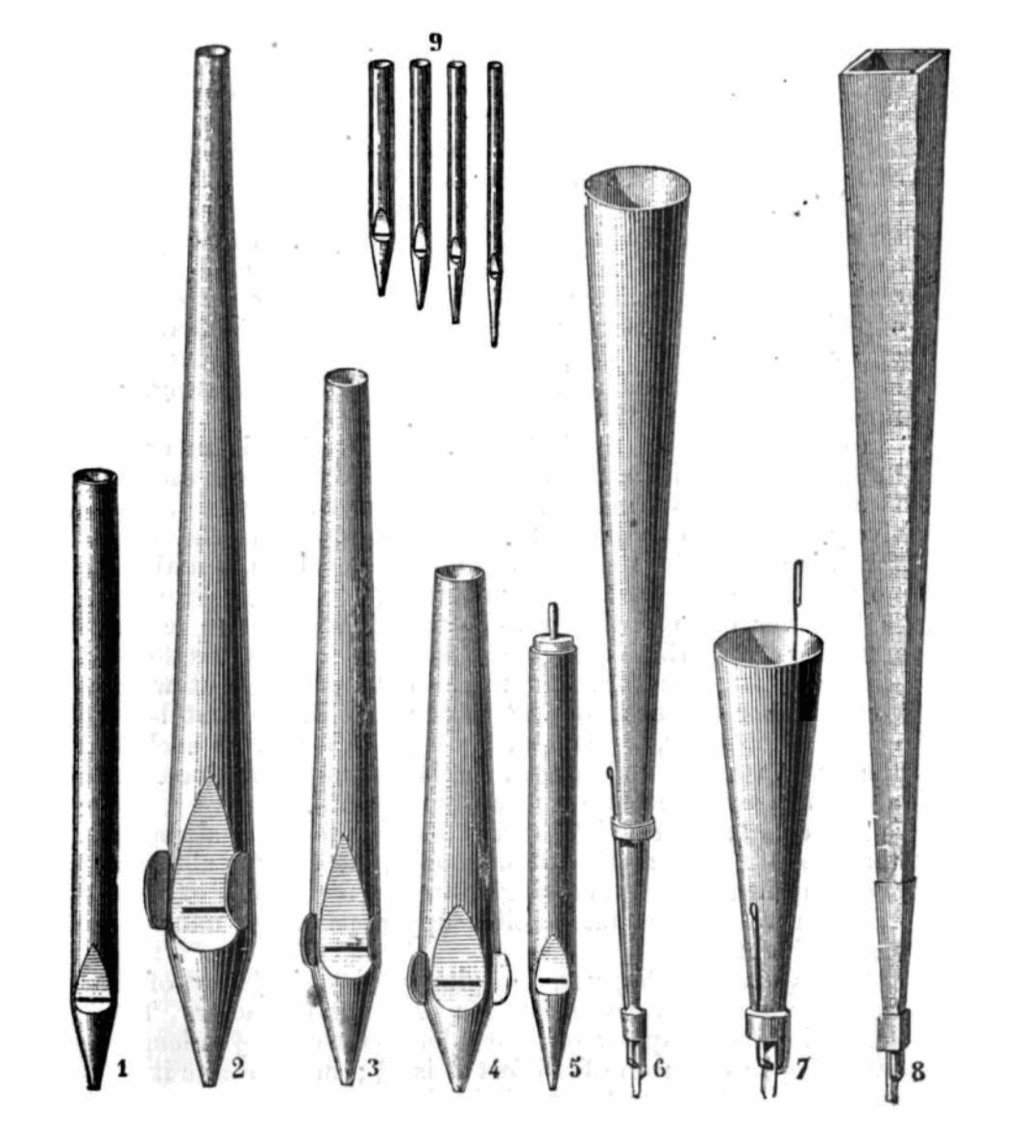
The pipes are organized into sets called ranks. Each rank has its own unique sound. One rank might sound like a flute, another like a trumpet, and another like a violin. A single stop knob on the console controls an entire rank of pipes.
The Stop and the Slider
Between the pallet valve and the bottom of the pipes lies a mechanical gatekeeper: the slider. This is a long strip of wood or composite material with holes drilled through it. There's one slider for each rank of pipes.
The slider can be in one of two positions. When the stop knob on the console is pushed in, the slider is positioned so its solid parts block the airflow to the pipes. The holes in the slider are misaligned with the openings at the base of the pipes. Even if you press a key, no air can get through.
When the stop knob is pulled out, the slider moves. Now, the holes in the slider align perfectly with the pipes in its rank. When the organist presses a key, the pallet opens, and air has a clear path: from the windchest, through the slider, and into the pipe. Sound is created.
A stop being 'in' means the pipes are off. A stop being 'out' means the pipes are on, ready to sound when a key is pressed.
This simple, binary mechanical action—in or out, off or on—is the basis for how an organist controls a vast range of sounds. By pulling out various stops, they can combine different ranks of pipes to create rich, complex music. To make the music louder or more powerful, an organist pulls out more stops. To make it softer, they push them in.
What is the primary function of a 'stop' on a pipe organ console?
An organist presses a key, but no sound is made. Assuming the organ is working correctly, what is the most likely reason for the silence?
Understanding this mechanism is the first step to appreciating the instrument's complexity and the origin of some common phrases.