Publishing with OJS 3.4
Introduction to OJS 3.4
Managing a Modern Journal
Open Journal Systems, or OJS, is an open-source software platform designed to manage and publish academic journals. Think of it as a specialized workshop for scholarly articles. It provides all the tools needed to take a research paper from an initial submission to a published piece available to the world.
Because it's open-source, it's free for anyone to use and adapt. This is a game-changer for smaller institutions, societies, or groups of scholars who want to launch a professional journal without a large budget. OJS handles everything: submissions, peer review, editing, and online publication, all in one place.
The Publishing Workflow
The journey of a research paper involves several key people, each with a specific role within the OJS platform. The system is built to guide an article through a structured workflow, ensuring quality and organization.
This diagram illustrates a typical path:
- Author: This is the researcher who wrote the paper. They create an account, upload their manuscript, and provide any necessary details, like an abstract and keywords.
- Editor: The editor is the first to see the submission. They decide if the manuscript is a good fit for the journal. If it is, they assign it to peer reviewers who are experts in the field.
- Reviewer: Reviewers read the manuscript anonymously and provide feedback on its strengths and weaknesses. They recommend whether to accept, reject, or request revisions. They submit their comments directly through OJS.
- Journal Manager: This person is the system administrator. They don't typically handle individual articles. Instead, they set up the journal's website, manage user accounts, configure settings, and ensure the platform runs smoothly. They are the architects of the journal's digital home.
The editor collects the reviews and makes the final decision. If revisions are needed, the author is notified and can submit a new version. This cycle continues until the paper is ready for publication.
Key Features of OJS 3.4
Version 3.4 introduces several improvements to make the publishing process more efficient and user-friendly.
One of the biggest changes is a more modern and responsive user interface. The platform now works better on mobile devices, allowing editors and authors to manage their work from anywhere.
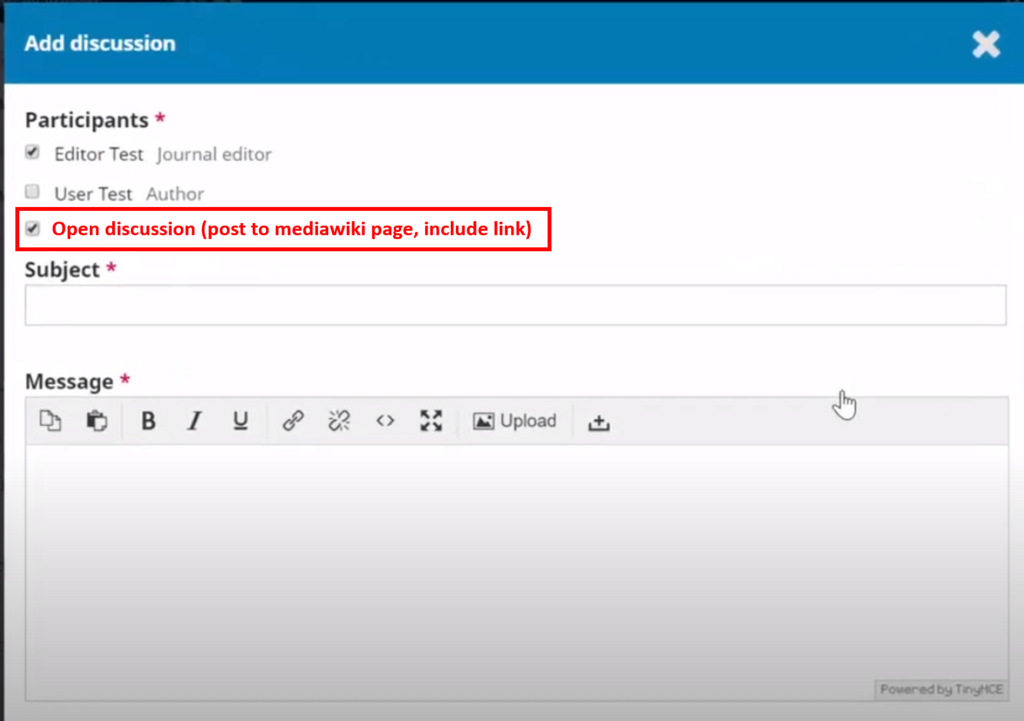
Communication tools have also been enhanced. The system now features a more robust discussion panel for each submission. This allows editors, authors, and reviewers to communicate clearly within the platform, keeping all correspondence organized and tied to the specific manuscript.
Finally, version 3.4 offers greater control over metadata. Journal managers can more easily customize submission forms to collect the specific information they need, and the system has better support for different languages, making it a more powerful tool for international journals.