Public Speaking Mastery
Fundamentals of Public Speaking
What Is Public Speaking?
Public speaking is simply the act of delivering a speech to a live audience. But it’s more than just talking in front of people. It's a powerful tool for sharing ideas, influencing opinions, and creating change. Whether you're presenting a project at work, giving a toast at a wedding, or arguing a point in a community meeting, you're engaging in public speaking.
Many people think great speakers are born, not made. That's a myth. Public speaking is a skill, and like any skill, it can be learned and improved with practice. Developing this ability can boost your confidence, enhance your leadership potential, and help you connect with others more effectively.

A Quick Look Back
The art of public speaking, or oratory, has deep roots. In ancient Greece and Rome, it was central to education and public life. Citizens used it to debate laws, argue in court, and participate in democracy. Thinkers like Aristotle studied rhetoric, the art of persuasive speaking, and their ideas still influence how we communicate today.
Throughout history, powerful speeches have sparked revolutions, fueled social movements, and shaped societies. From political rallies to scientific lectures, the ability to speak clearly and persuasively to a group has always been a way to drive progress and share knowledge.
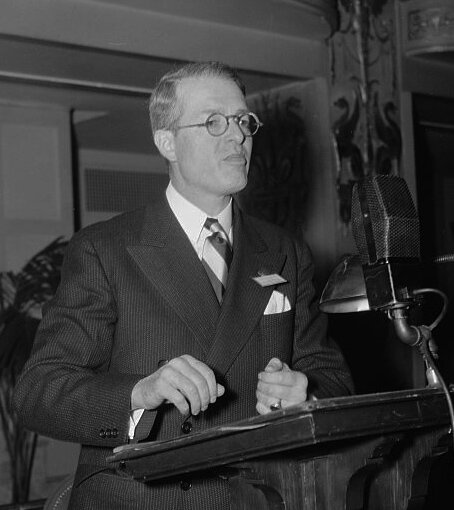
The Fear Factor
If the thought of speaking in front of a crowd makes your palms sweat, you're not alone. The fear of public speaking is incredibly common.
glossophobia
noun
The fear of public speaking.
This fear often comes from a worry about being judged, forgetting what to say, or failing to connect with the audience. It’s a natural response to being in a vulnerable position. Your body might react with a racing heart, shaky hands, or a dry mouth. Recognizing these physical signs is the first step toward managing them.
It’s perfectly normal to feel nervous before speaking. Even the most experienced speakers feel a rush of adrenaline.
First Steps to Confidence
Overcoming this fear doesn't happen overnight, but you can start with a few simple strategies. The biggest key to confidence is preparation. When you know your topic inside and out, you’re less likely to feel anxious.
Preparation is what sets the foundation for a smooth, coherent, and engaging lecture.
Another helpful trick is to reframe your thinking. Instead of seeing nervousness as a bad thing, try to view it as excitement or energy. Your body is getting ready for an important performance. Channel that energy into your delivery to make your speech more dynamic and engaging.
Start small. Practice in front of a mirror, then a friend or family member. Each time you speak, you build a little more confidence. The goal isn't to eliminate fear entirely but to learn how to manage it so it doesn't hold you back.
Ready to check your understanding of these core concepts?
According to the text, what is the most effective way to build confidence and manage the fear of public speaking?
True or false: The text suggests that great public speakers are born with the skill, not made through practice.
Understanding these fundamentals gives you a solid base. With this knowledge, you're ready to start building the skills for effective and confident public speaking.