Public Speaking Mastery
Understanding Public Speaking
More Than Just Talking
Public speaking is the act of delivering a speech or presentation to a live audience. But it's more than just talking in front of people. It's a skill that allows you to share ideas, influence decisions, and inspire action. Whether you're presenting a project at work, giving a toast at a wedding, or arguing a point in a community meeting, you're using public speaking.
Mastering this skill brings huge benefits. It helps you organize your thoughts clearly, build confidence, and communicate more effectively in all areas of your life. It’s not a talent you're born with; it's a craft you can develop with practice.
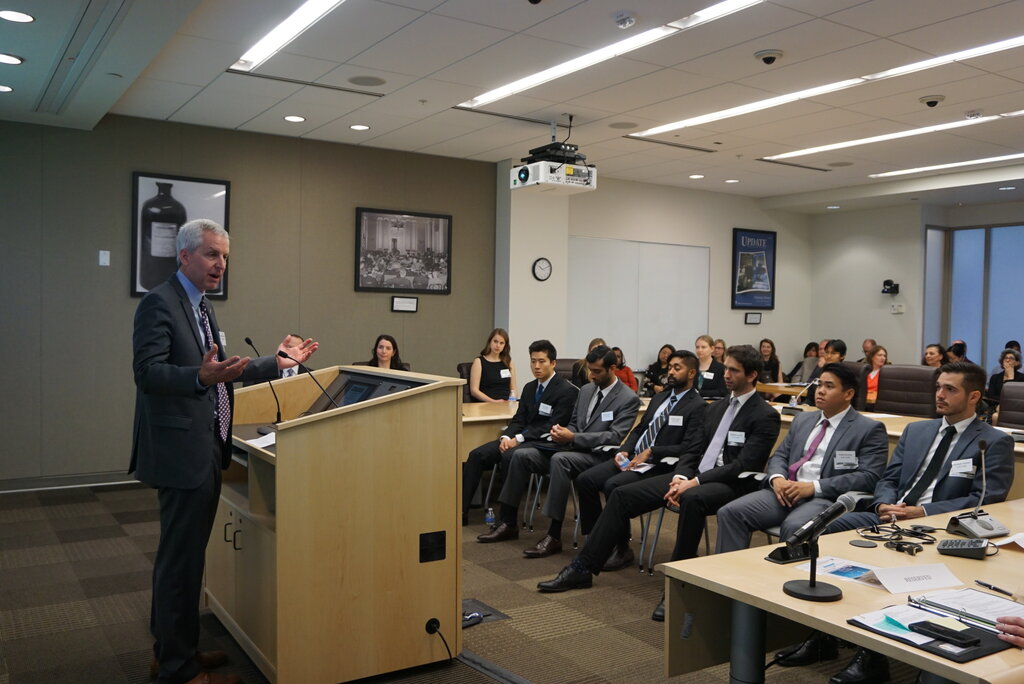
The Core Ingredients
A great speech has three key ingredients: clarity, engagement, and confidence. They work together to make your message stick.
Clarity ensures your audience understands your message. Engagement keeps them listening. Confidence makes them trust you.
Clarity is about being easy to understand. Avoid jargon and complicated sentences. Think of yourself as a guide leading your audience from one point to the next without letting them get lost.
Engagement means connecting with your audience. You can do this by telling a story, asking a question, or showing genuine passion for your topic. An engaged audience doesn't just hear your words; they feel them.
Confidence is the foundation. When you appear confident, your audience is more likely to believe in your message. This doesn't mean you have to be fearless. It means you appear prepared, controlled, and sure of what you're saying.
Facing the Fear
The fear of public speaking is incredibly common. For many, the thought of standing before a crowd can trigger a racing heart, sweaty palms, and a shaky voice. This anxiety has a name: glossophobia.
Glossophobia
noun
The fear of public speaking. It is a type of social anxiety disorder.
This fear is a natural fight-or-flight response. Your body thinks it's in danger and floods you with adrenaline. But you can learn to manage this energy and even use it to your advantage. The key isn't to eliminate fear, but to control it.
Thorough preparation and practice are essential strategies for reducing public speaking anxiety, as they help speakers feel more confident and in control of their content and delivery
Here are a few starting points for managing stage fright:
- Prepare Thoroughly: The more you know your material, the less you'll have to worry about forgetting it. Confidence comes from competence.
- Practice, Practice, Practice: Rehearse your speech multiple times. Practice in front of a mirror, for friends, or just record yourself. Familiarity breeds comfort.
- Focus on Your Message: Shift your focus from your fear to the value you're providing your audience. Think about what you want them to learn or feel, not about how you look or sound.
- Breathe: When you feel anxiety rising, take a few slow, deep breaths. This simple action can slow your heart rate and calm your nerves.
Now, let's test your understanding of these core concepts.
Which of the following is NOT listed as one of the three key ingredients of a great speech?
Glossophobia, the fear of public speaking, is described as a natural fight-or-flight response.
Understanding these fundamentals is the first step. By focusing on clarity, engagement, and confidence, and by learning to manage your fear, you're building a strong foundation for becoming an effective speaker.