Public Speaking Mastery
Fundamentals of Public Speaking
Why Speak Up?
Public speaking isn't just about giving a formal presentation in front of a crowd. It's about clearly communicating your ideas, whether you're explaining a project to a coworker, pitching an idea to your boss, or sharing a story with friends. The ability to speak effectively can open doors in your career and enrich your personal life. When you can articulate your thoughts with confidence, people are more likely to listen and understand.
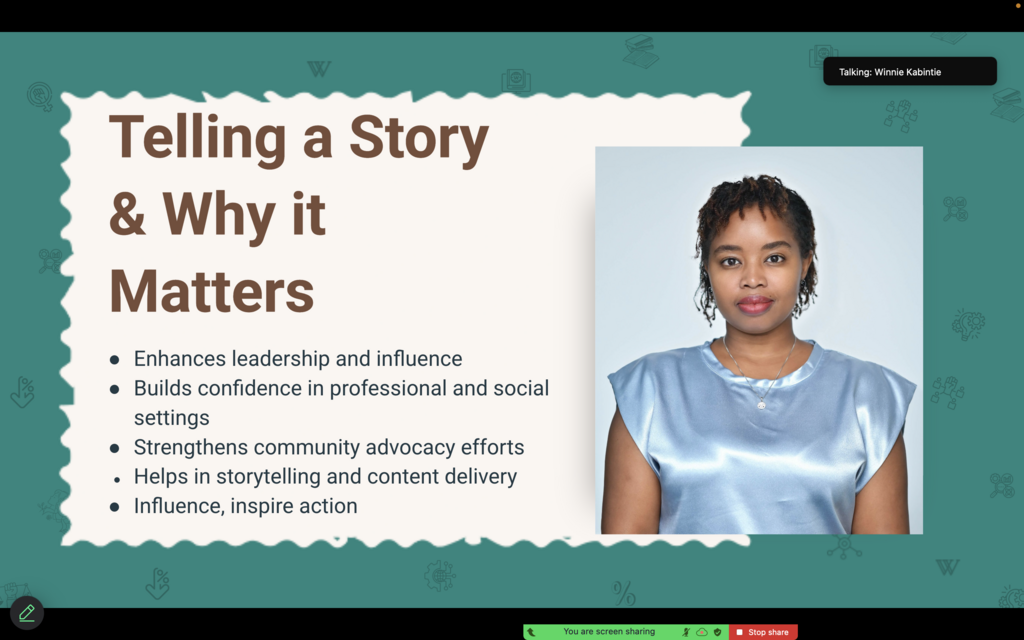
Think of it as a tool. A well-delivered message can inform, persuade, and inspire action. It helps build trust and establishes your credibility. Mastering this skill isn't about becoming a famous orator; it's about ensuring your voice is heard and your message lands the way you intend it to.
Clear communication is a superpower. It allows you to translate your internal thoughts into shared understanding.
Know Your Audience
Before you say a word, it’s crucial to know who you’re talking to. Speaking to a group of experts is very different from speaking to a room of beginners. Your audience's background, knowledge level, and interests should shape your message. Are they here to learn something new, to be persuaded, or to be entertained?
Answering this question helps you tailor your content, choose the right language, and decide on the appropriate tone. You wouldn't use technical jargon with a general audience, nor would you oversimplify concepts for specialists. The goal is to connect, and connection starts with understanding.

How do you get to know them? If possible, do some research beforehand. Who are they? Why are they attending? If you can't research, take a moment at the beginning to ask a few questions or observe the room's energy. Thinking about your audience turns a monologue into a dialogue, even if they never speak a word.
Build Your Message
A strong speech needs a solid foundation. The most effective structure is simple and logical: a clear beginning, middle, and end. This framework helps your audience follow along and remember your key points.
-
Introduction: Start with a hook—a surprising statistic, a relatable story, or a thought-provoking question—to grab your audience's attention. Then, clearly state the main point or purpose of your talk.
-
Body: This is where you present your main ideas. Organize them logically, with each point building on the last. Use examples, data, or stories to support your claims and make them more concrete.
-
Conclusion: Summarize your key points to reinforce your message. End with a strong, memorable final thought that leaves a lasting impression.
Taming Your Nerves
Feeling nervous before speaking is completely normal. Even seasoned speakers get butterflies. The key is to manage that nervous energy, not eliminate it. A little adrenaline can actually make your delivery more dynamic.
One of the biggest sources of anxiety is the fear of being judged. Try to shift your focus. Instead of worrying about yourself, concentrate on your message and your audience. What value are you providing them? When your primary goal is to share something useful, your self-consciousness starts to fade.
The number one way to overcome a fear of public speaking — indeed, a fear of anything — is to consciously remove emotions from the equation and analyse the fear rationally.
Preparation is your best defense against anxiety. The more you practice, the more confident you'll feel. Rehearse your speech out loud several times. This helps you find a natural rhythm and identify any parts that are awkward or unclear.
Right before you speak, take a few slow, deep breaths. This simple action can calm your nervous system. Remember, the audience is generally on your side. They want you to succeed.
Let's review the key ideas with a quick quiz.
What is the primary goal of understanding your audience before a speech?
What is the recommended structure for a clear and effective speech?
Building these fundamental skills—understanding your purpose, knowing your audience, structuring your message, and managing your nerves—will set you up for success in any speaking situation.