Public Speaking Mastery
Fundamentals of Public Speaking
The Core of Public Speaking
Public speaking is simply communicating ideas to a group of people. It might be a formal presentation at work, a toast at a wedding, or a report in a classroom. The goal is to share a message clearly and effectively. Far from being a rare talent, it's a skill anyone can learn and improve.
Developing this skill helps you organize your thoughts, build confidence, and connect with others. It’s a powerful tool for sharing knowledge, inspiring action, or simply telling a good story.
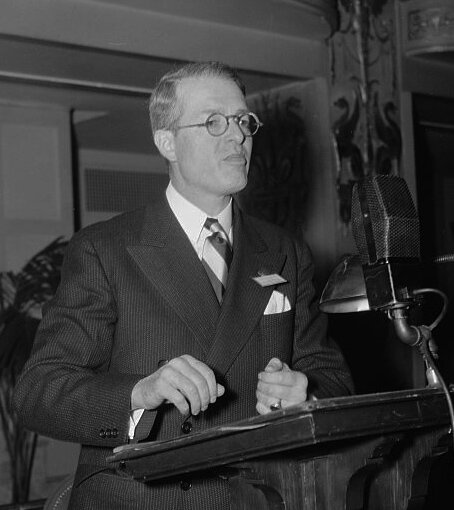
The tradition of public speaking is ancient. In places like Greece and Rome, it was the cornerstone of public life. Thinkers like Aristotle studied how to construct a compelling argument, and orators like Cicero moved crowds with their words. Their ideas about structuring a speech and connecting with an audience are still relevant today. From political rallies to community meetings, the ability to speak effectively has always been a way to shape the world.
The Communication Loop
Every speech is a two-way street. It's not just about a speaker talking at an audience. It's an exchange. This process can be broken down into a few key parts.
The speaker starts with an idea and encodes it into words. This message travels through a channel, like the sound waves from their voice. The audience then receives and decodes the message, interpreting its meaning.
But it doesn't stop there. The audience sends feedback—nodding, smiling, looking confused—which the speaker uses to adjust their delivery. Anything that gets in the way of this process, like a noisy room or a speaker who talks too fast, is called noise.
A speech isn't a monologue; it's a conversation. The audience communicates back, even when they're silent.
The speaker's role is to be clear, prepared, and attentive to the audience's reactions. The audience's role is to listen actively and with an open mind. When both sides fulfill their roles, communication thrives.
Speaking with Integrity
Being an ethical speaker is non-negotiable. It’s the foundation of trust between you and your audience. This means being honest and presenting information accurately. Don't twist facts or present opinions as if they are settled truths. If you use ideas or words from someone else, always give them credit. Plagiarism undermines your credibility.
Respect for your audience is also crucial. Avoid language that is demeaning or resorts to stereotypes. The goal of public speaking is to build bridges and share understanding, not to create division. An ethical speaker aims to contribute to the conversation in a positive and constructive way.
What is the primary goal of public speaking?
In the communication process, when an audience member nods or looks confused, they are providing _______.