Public Speaking Mastery
Fundamentals of Public Speaking
Why Bother With Public Speaking?
Public speaking isn't just about giving a formal presentation on a stage. It's a skill you use every day, whether you're explaining an idea to your team, interviewing for a job, or even just sharing a story with friends. At its core, it’s about communicating your thoughts clearly and confidently to others.
Mastering this skill can open doors. It helps you advocate for ideas you believe in, influence decisions, and connect with people on a deeper level. When you can articulate your thoughts well, people are more likely to listen and take you seriously.
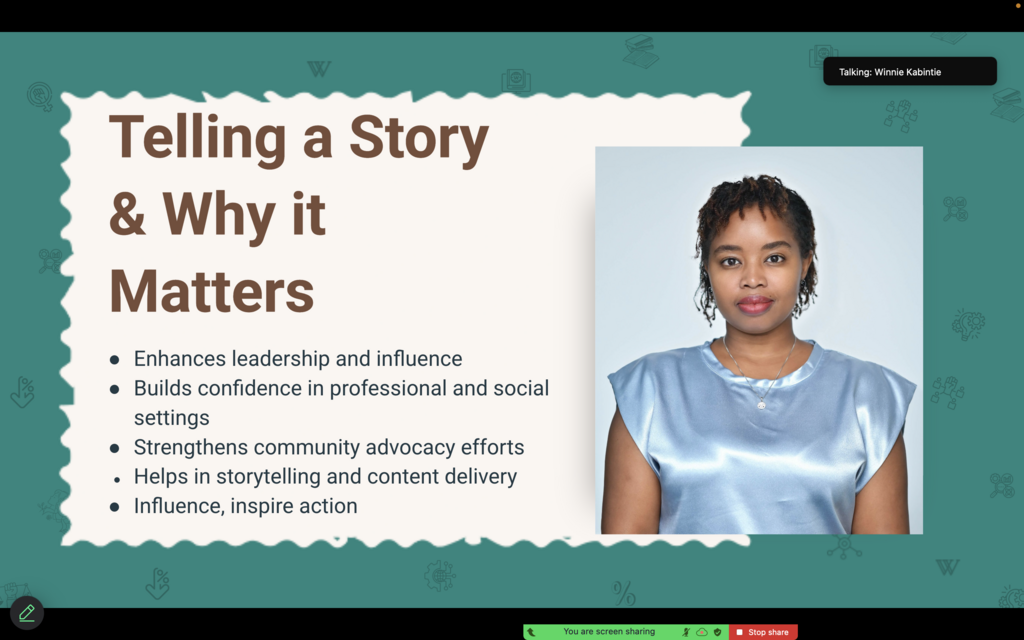
Learning to speak in front of others is one of the fastest ways to build overall confidence, which can benefit every area of your life.
It’s Not About You
The single biggest mistake people make when preparing a talk is focusing on themselves. They worry about what they’ll say, how they’ll look, and whether they’ll forget their lines. The secret to a great speech is to shift your focus from yourself to your audience.
Your speech isn't for you; it's for them. Always remember that.
Before you write a single word, ask yourself a few questions about your listeners:
- Who are they? Are they experts or beginners? Colleagues or strangers?
- What do they already know? Avoid telling them things they already know or using jargon they won't understand.
- Why should they care? Connect your topic to their interests, goals, or problems. Answer the unspoken question, "What's in it for me?"
When you understand your audience, you can tailor your message in a way that truly connects and makes an impact. The goal is to make them feel like you’re speaking directly to them, because you are.

Know Your Destination
A speech without a clear goal is like a road trip without a map. You might wander around, but you'll never reach your destination. Before you plan anything else, define the one key thing you want your audience to know, feel, or do after your talk is over.
Once you have your objective, you can build a simple, effective structure to get you there. Most great talks follow a classic three-part format.
| Part | Purpose |
|---|---|
| Introduction | Grab their attention and state your main point. |
| Body | Explain your main point with two to three key ideas, supported by examples or stories. |
| Conclusion | Briefly summarize your message and leave them with a memorable final thought. |
This structure provides a logical flow that is easy for the audience to follow. It keeps you on track and ensures your message is delivered clearly and concisely.
Preparation is what sets the foundation for a smooth, coherent, and engaging lecture.
Taming the Butterflies
Feeling nervous before speaking is completely normal. In fact, that rush of adrenaline can even help you perform better if you learn how to manage it. The fear of public speaking is so common it has its own name.
Glossophobia
noun
The fear of public speaking.
The key to building confidence isn't to eliminate fear, but to learn how to control it. Here are a few proven techniques:
- Practice, Practice, Practice: Rehearse your talk out loud several times. The more familiar you are with your material, the less you'll have to worry about forgetting it. This is the single most effective way to reduce anxiety.
- Breathe: When you get nervous, your breathing becomes shallow. Before you speak, take a few slow, deep breaths. This simple action calms your nervous system and helps you think more clearly.
- Focus on Your Message: Instead of dwelling on your anxiety, concentrate on the value you are providing to your audience. When you're passionate about your topic, you have less mental space to worry about yourself.
- Visualize Success: Imagine yourself delivering a great speech. Picture the audience nodding and smiling. This positive mental rehearsal can create a self-fulfilling prophecy.
Confidence isn't something you're born with; it's something you build. Every time you speak, you're strengthening that muscle.
What is the single biggest mistake people make when preparing a talk?
True or False: The best way to manage public speaking anxiety is to eliminate fear completely.
You've now learned the foundational principles that separate a nervous, rambling talk from a clear, confident presentation. It all comes down to focusing on your audience, having a clear objective, and preparing well.