Public Speaking Mastery
Understanding Public Speaking
The Power of a Spoken Idea
At its heart, public speaking is about one person sharing ideas with many. It’s a live conversation with an audience, whether that audience is a small team in a conference room or a huge crowd in an auditorium. It happens in job interviews, project presentations, and even wedding toasts.
public speaking
noun
The act of delivering a speech or presentation to a live audience, with the purpose of informing, persuading, or entertaining.
The goal isn't just to talk, but to connect. A great speech can make a complex topic understandable, inspire people to act, or bring a group together for a shared moment. Developing this skill helps you clarify your own thoughts and present them with confidence. It's a powerful tool for sharing knowledge and influencing change.
Want a leg up professionally? Need a career boost? Become a better public speaker.
Different Speeches, Different Goals
Not all speeches are the same. The reason you're speaking determines the type of speech you'll give. There are three main categories, each with a distinct purpose.
Informative Speeches: To Explain The primary goal is to teach the audience something new. You're acting as an educator, sharing facts and clarifying concepts. Think of a college lecture, a training session on new software, or a scientist explaining their research.
The key here is clarity. The speaker's success is measured by how well the audience understands the topic afterward. The focus is on providing objective information without trying to sway opinions.
Persuasive Speeches: To Convince Here, the goal is to influence the audience's beliefs or actions. You aren't just presenting information; you're advocating for a particular point of view. This could be a sales pitch for a new product, a lawyer's closing argument, or a campaign speech from a political candidate.
Persuasion relies on appealing to both logic and emotion. A successful persuasive speech doesn't just present an argument—it motivates the audience to agree with it or take a specific action.
Ceremonial Speeches: To Commemorate These speeches mark special occasions. They aim to entertain, inspire, or honor. Examples include a toast at a wedding, a eulogy at a funeral, or a graduation commencement address. The focus is on shared values and creating a sense of community.
The emotional tone is central to a ceremonial speech. The speaker's job is to capture the mood of the moment and express what the audience is feeling.
The Three Pillars of a Great Speech
Regardless of the type, every effective speech is built on three core components: what you say, how you structure it, and how you present it.
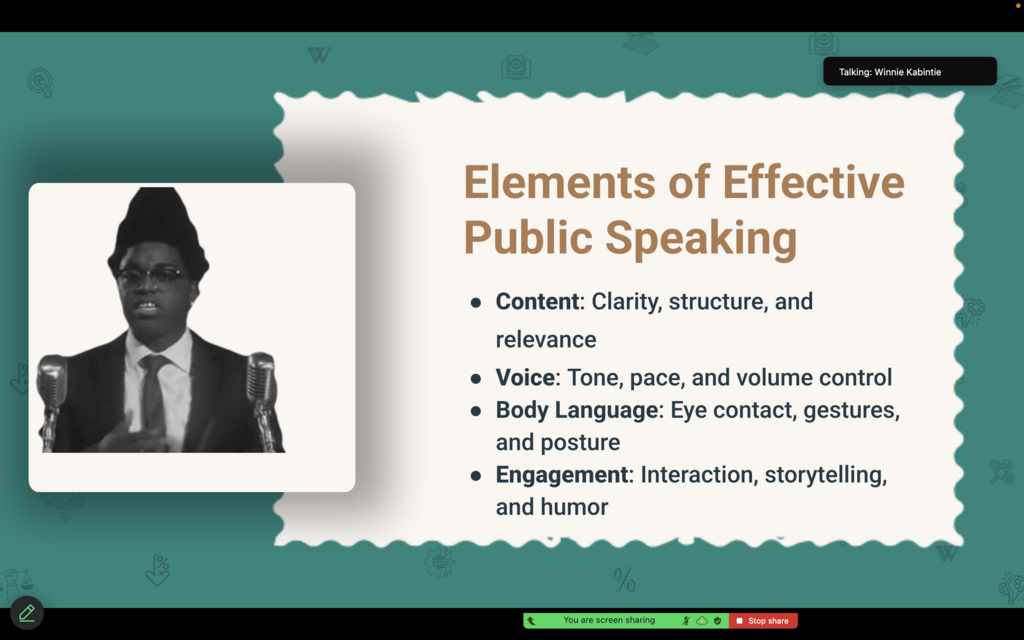
First is Content. This is the substance of your message. It includes your main ideas, the research you've done, the evidence you use to support your points, and the stories or examples that make it relatable. Strong content is accurate, relevant to the audience, and focused on a clear message. Without solid content, even the most polished speaker will have nothing meaningful to say.
Next is Organization. This is the blueprint of your speech. A well-organized speech has a clear introduction, body, and conclusion. The introduction grabs the audience's attention and states the speech's purpose. The body presents the main points in a logical sequence. The conclusion summarizes the message and provides a memorable finish. This logical flow makes your ideas easy for the audience to follow and remember.
Finally, there's Delivery. This is how you present your content and structure to the audience. Delivery includes both vocal and physical elements. Vocal delivery involves your tone of voice, volume, speed, and use of pauses. Physical delivery is about your body language: eye contact, gestures, posture, and movement. Good delivery makes a speech engaging and dynamic, helping the speaker connect with the audience and convey emotion.
Now that you understand the building blocks of public speaking, it's time to test your knowledge.
What is the fundamental purpose of public speaking?
A history professor giving a lecture on the causes of World War I without arguing for a particular viewpoint is delivering what type of speech?
Mastering these fundamentals is the first step toward becoming a confident and effective speaker.