Public Speaking Masterclass The Expert Synthesis
Vulnerability and Resilience
The Courage to Connect
In public speaking, we often strive for polish and perfection. We rehearse until our lines are smooth and our gestures feel natural. But what if the most powerful tool for connection isn't perfection, but its opposite? This is the core of researcher 's work on vulnerability. She defines it not as weakness, but as "uncertainty, risk, and emotional exposure."
Think about it. When a speaker shares a genuine struggle or a moment of doubt, the audience doesn't see them as weak. They see them as human. This act of courage builds an immediate bridge of authenticity. It signals to everyone in the room that this isn't just a performance; it's a real conversation. Vulnerability disarms an audience and invites them to listen with an open heart, creating a shared experience rather than a one-way broadcast.
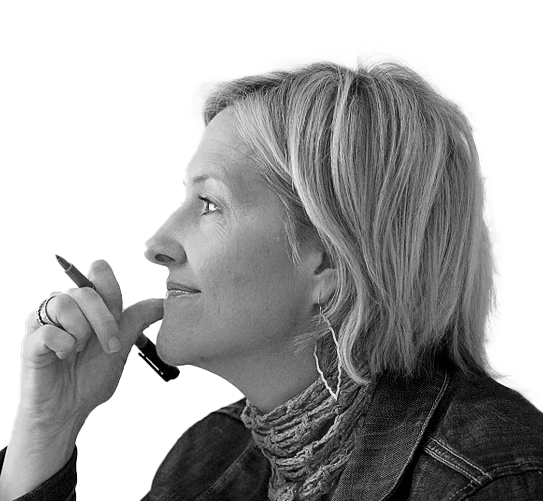
This approach requires letting go of the need to be seen as the expert who has it all figured out. Instead, you present yourself as a guide who is navigating the same complex world as your audience. It's a shift from 'presenting at' to 'connecting with'.
Show vulnerability. Audiences connect to real flaws, failures, and stakes.
Strategic Vulnerability vs. Oversharing
Of course, there's a line. Vulnerability isn't a license to unload unprocessed emotions onto an unsuspecting audience. That's oversharing. The key is strategic vulnerability: sharing a story where you've already processed the emotion and learned the lesson. The goal is to serve the audience, not to seek therapy from them.
Your story should have a point that illuminates your message. Ask yourself: Does this personal detail help my audience understand the concept better? Does it build trust? If the answer is yes, it's likely strategic.
A powerful technique for this is using first-person storytelling combined with second-person plural language. Start with "I remember feeling..." to establish your personal experience. Then, bridge that to the collective by saying, "And we've all felt that pressure, haven't we?" This simple shift from "I" to "we" and "us" transforms a personal anecdote into a universal truth, making the audience feel seen and understood.
| Type | Goal | Audience Impact |
|---|---|---|
| Oversharing | Personal catharsis | Makes audience uncomfortable or burdened. |
| Strategic Vulnerability | Serve the message | Builds connection and trust; clarifies the point. |
The Five-Second Launch
Knowing you should be vulnerable is one thing. Actually doing it is another. That moment before you share something deeply personal can feel like standing on a diving board. Your brain screams, "Retreat! Play it safe!"
This is where the physiological concept of activation energy comes in. It’s the initial burst of energy required to start a process. For speakers, it's the mental push needed to move from the thought of sharing to the act of speaking. To overcome this hesitation, we can borrow a tool from author Mel Robbins: the 's countdown.
The idea is simple. When you feel that moment of hesitation before a courageous act, you mentally count down: 5-4-3-2-1-GO. As soon as you hit "1," you move. You take the mic, you walk on stage, or you start the personal story you planned to tell. This countdown interrupts the brain's habit of overthinking and creating excuses, launching you into action before fear can take root. It’s a tool for building a 'courage-first' delivery style, where you value the imperfect, authentic moment over a slick, rehearsed performance.
By combining the insight of strategic vulnerability with the tactical courage of the 5-Second Rule, you create a powerful speaking style. You connect deeply, lead with authenticity, and demonstrate the quiet confidence that comes from embracing imperfection.
Ready to test your understanding of these powerful speaking concepts?
According to the text, what is the primary purpose of using strategic vulnerability in public speaking?
The text describes a technique of shifting from first-person storytelling ("I felt...") to second-person plural language ("we've all felt..."). What is the intended effect of this shift?