Psychotherapy for Neurodivergent Teens
Understanding Neurodivergence
Understanding Neurodivergence
Our brains are all wired differently. Just as people have different heights, hair colors, and personalities, we also have natural variations in how our brains function. This concept is known as neurodiversity.
Neurodivergence
noun
The state of having a brain that functions in ways that diverge significantly from the dominant societal standards of 'normal.'
When someone's brain works differently from what is considered typical, they are described as neurodivergent. It's not about being better or worse; it's simply about having a different operating system. These differences can affect how people learn, communicate, think, and perceive the world.
Neurodiversity is the term that describes the idea that there is naturally occurring variation in the human brain which can impact a series of brain functions such as how we interact with one another or how we process information.
Common Neurodevelopmental Conditions
Neurodivergence is an umbrella term that covers several specific neurodevelopmental conditions. During the adolescent years, the traits associated with these conditions often become more apparent as social and academic demands increase.
-
Autism Spectrum Disorder (ASD): People with autism may have unique ways of communicating and interacting socially. They often have deep, passionate interests in specific topics and may have a strong preference for routines.
-
Attention-Deficit/Hyperactivity Disorder (ADHD): This condition is characterized by patterns of inattention, hyperactivity, and impulsivity. An adolescent with ADHD might struggle with organization, staying focused on tasks, or sitting still.
-
Learning Disabilities: These affect how a person processes certain types of information. Common examples include dyslexia, which makes reading difficult, and dyscalculia, which affects the ability to understand numbers and math concepts.
The Adolescent Experience
Being a neurodivergent teenager comes with a distinct set of cognitive, emotional, and social characteristics. Cognitively, they might be incredibly creative problem-solvers or have an amazing ability to focus on things they are passionate about. They see the world from a unique angle, which can lead to brilliant insights.
Emotionally, neurodivergent teens can experience feelings with great intensity. They may be highly empathetic and sensitive to the emotions of others. This depth of feeling is a strength, though it can sometimes feel overwhelming.
Socially, they might interact differently. Some may prefer one-on-one conversations over large groups, while others might communicate in a very direct and honest way. These aren't social deficits, but rather different styles of connecting with others.
Navigating Challenges
Because the world is often built with neurotypical people in mind, neurodivergent adolescents can face some unique hurdles.
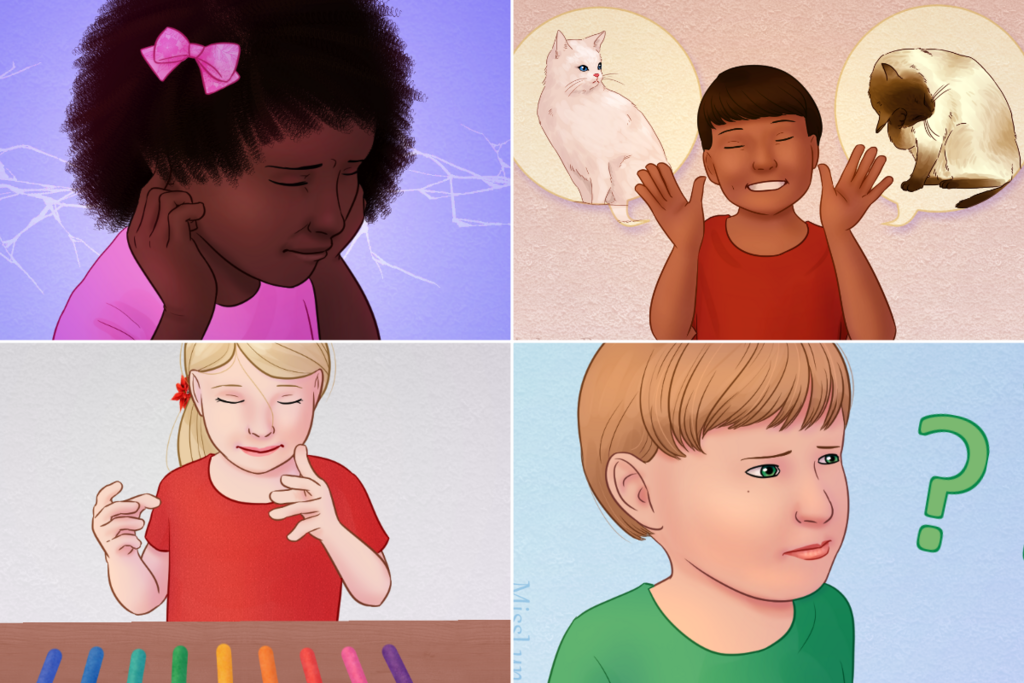
One common challenge is sensory sensitivity. A crowded school hallway, the hum of fluorescent lights, or the texture of certain foods can be intensely distracting or distressing. This isn't being 'picky'—it's a genuine neurological response.
Communication differences can also lead to misunderstandings. A neurodivergent teen might miss non-verbal cues or take figures of speech literally. Conversely, neurotypical peers might misinterpret a neurodivergent teen's directness or lack of eye contact.
These factors can contribute to social interaction difficulties. Navigating the complex social world of adolescence is tough for anyone, but it can be especially draining for someone whose brain is wired to socialize differently. It often requires consciously translating social rules that others seem to know instinctively.
Recognizing and respecting these differences is the first step. By fostering understanding and empathy, we can create environments where neurodivergent adolescents don't just cope, but truly thrive.
Time to review what we've learned.
Let's check your understanding with a few questions.
What is the core concept of neurodiversity?
An adolescent who has a deep, passionate interest in specific topics, prefers routines, and has a unique way of communicating might be described as having which neurodevelopmental condition?
Understanding neurodivergence is about appreciating the wide range of human minds. It involves recognizing strengths and providing support for challenges, helping every individual succeed on their own terms.