Psychosomatics Mind Body Connection
Introduction to Psychosomatics
The Mind-Body Connection
Have you ever felt butterflies in your stomach before a big presentation? Or a tension headache after a stressful day? These common experiences are small windows into a profound truth: our minds and bodies are not separate entities. They are constantly talking to each other. The field that explores this conversation is known as psychosomatics.
Psychosomatic
adjective
Relating to a physical illness or other condition caused or aggravated by a mental factor such as internal conflict or stress.
The term itself comes from the Greek words psyche (mind) and soma (body). It's built on the idea that our emotions, thoughts, and social experiences can directly influence our physical health. A psychosomatic symptom is a real physical symptom, not one that's "all in your head." The pain, rash, or stomach ache is genuine, but its origins or triggers are linked to psychological factors rather than a purely physical cause like a virus or injury.
A psychosomatic illness is a genuine physical condition influenced by the mind, not an imagined one.
From Ancient Wisdom to Modern Medicine
The idea of the mind influencing the body is ancient. Early physicians in Greece and other cultures observed that a patient's emotional state seemed connected to their physical well-being. They treated the person as a whole, not as a collection of separate parts.
However, in the last few centuries, Western medicine took a different path. Influenced by thinkers like René Descartes, a split was created between the mind and the body. The body was seen as a machine that could be fixed by addressing its physical components, while the mind was seen as something separate. This dualistic view led to incredible medical advancements, but it also pushed the psychological aspects of illness to the side.
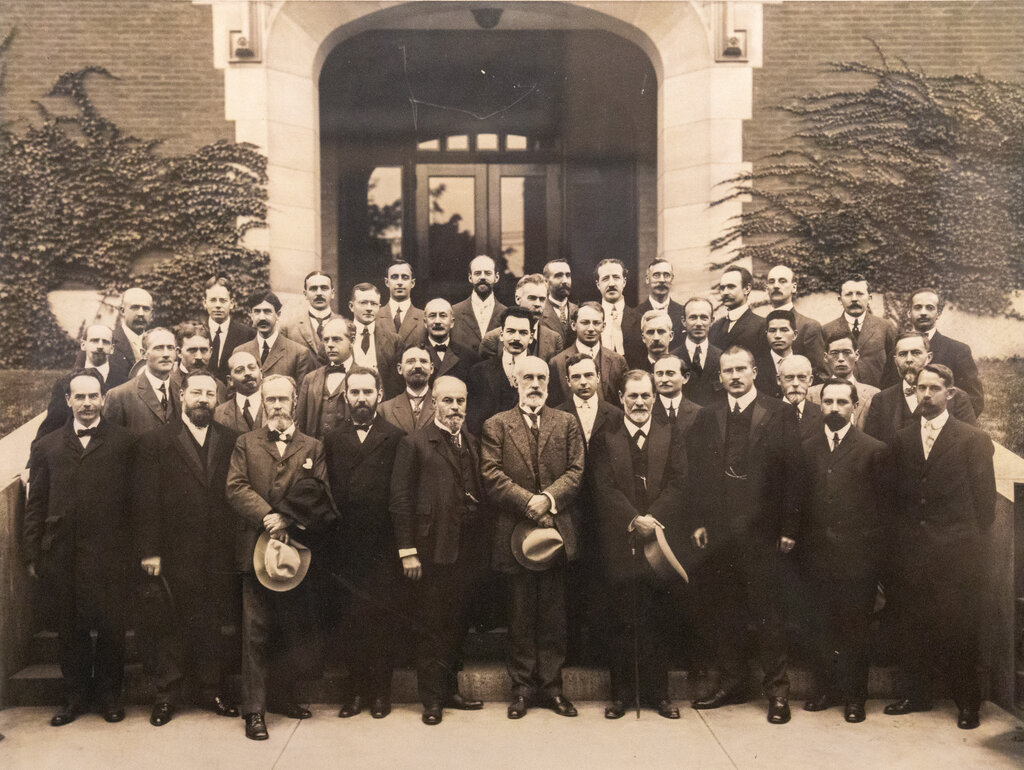
The tide began to turn again in the early 20th century. Pioneers in psychoanalysis, like Sigmund Freud, noticed that patients' unresolved emotional conflicts often manifested as physical symptoms, such as paralysis or blindness, with no apparent medical cause. This paved the way for psychosomatic medicine, which formally emerged as a field dedicated to studying these connections. Physicians like Franz Alexander built on these ideas, systematically researching how specific personality traits and emotional conflicts could be linked to conditions like high blood pressure and ulcers.
Why It Matters Today
Understanding the mind-body connection is crucial for modern healthcare. It acknowledges that treating an illness often requires more than just medication or surgery. A patient's stress levels, emotional state, and social support system can all play a significant role in their recovery.
Think of it like tending a garden. You can have the best seeds (genetics) and soil (biology), but if there's a constant drought (chronic stress) or no sunlight (positive social connection), the plants won't thrive. Healthcare that ignores the psychological and social environment is missing a huge piece of the puzzle.
By embracing a psychosomatic perspective, healthcare providers can develop more holistic treatment plans. A doctor might recommend stress-management techniques alongside medication for a heart condition, or suggest therapy for a patient with chronic pain. This integrated approach doesn't just treat symptoms; it addresses the whole person, leading to better and more lasting health outcomes.
This shift moves us away from asking "Is it physical or is it psychological?" and toward a more helpful question: "How are the physical, psychological, and social factors interacting in this person's health?" This approach recognizes the complex, interwoven reality of being human.
What is the core principle of psychosomatics?
The historical split in Western medicine between the mind and body, viewing the body as a machine, was heavily influenced by the philosopher __________.