Psychology of High-Ticket Sales
Introduction to Buyer Psychology
Why People Buy
At its heart, selling isn't about products or services; it's about people. Buyer psychology is the study of how people make purchasing decisions. It looks at the mental and emotional processes that drive someone to choose one product over another, or to buy anything at all.
Understanding these drivers is crucial. When you know why someone buys, you can connect with them more effectively. It’s the difference between trying to sell a drill to someone and helping them create the holes they need to hang family photos. One is about the tool; the other is about the outcome and the feeling it creates.
Effective selling begins with understanding the customer's motivations, fears, and goals, not just their budget.
The Buyer's Journey
People rarely just decide to buy something on a whim, especially when the item is expensive. Their decision-making follows a predictable pattern, often broken down into a few key stages. While many models exist, a common one includes these five steps:
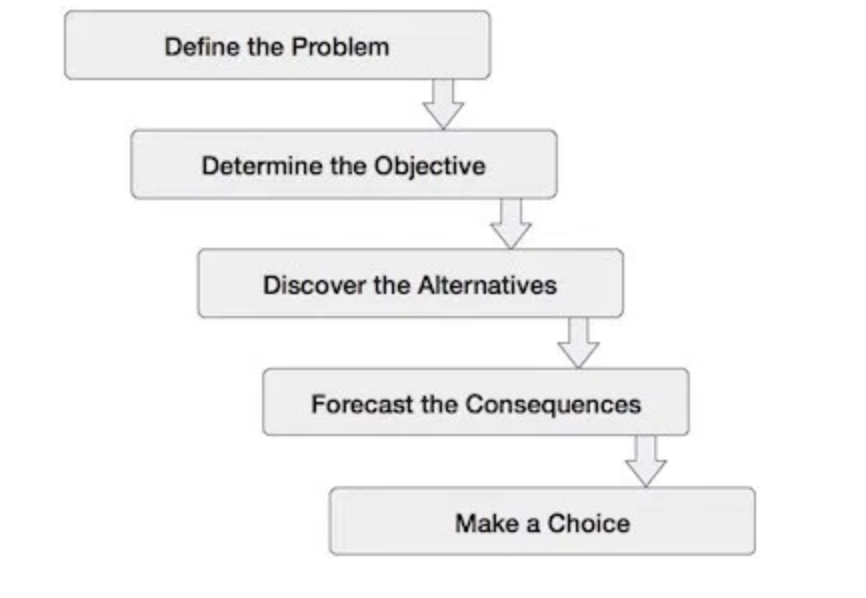
- Problem Recognition: The person realizes they have a need or a problem. Maybe their old car is unreliable, or their company's software is inefficient.
- Information Search: They start looking for solutions. This could involve online research, asking friends, or reading reviews.
- Evaluation of Alternatives: They compare the options they've found. Which car is safer? Which software has better support?
- Purchase Decision: They make a choice and buy the product.
- Post-Purchase Behavior: After the purchase, they evaluate their decision. Are they satisfied? Do they have buyer's remorse? This stage heavily influences their loyalty and whether they'll recommend the product to others.
Understanding this journey helps you know when and how to offer the right information to a potential customer.
High-Stakes Decisions
When the price tag is high, the psychology changes. A "high-ticket" sale refers to expensive products or services, like a new car, a consulting engagement, or enterprise software. These aren't impulse buys; they are considered purchases that carry more financial and emotional weight.
For high-ticket items, the buyer's journey is often longer and more complex. More people are usually involved in the decision, and the stakes are higher if the wrong choice is made. Logic plays a bigger part, but emotion is still a powerful driver. A business owner might logically need new accounting software, but they emotionally want the peace of mind that comes with a reliable system.
In high-ticket sales, trust is the most valuable currency. The decision isn't just about the product; it's about the company and the person selling it.
Because of this, building relationships and establishing credibility is paramount. Buyers need to feel confident not just in what they're buying, but in who they're buying it from. This is where a deep understanding of their needs, fears, and goals becomes a powerful tool.
According to the principles of buyer psychology, what is the primary focus of effective selling?
A potential customer is actively comparing different brands of CRM software, reading online reviews, and asking colleagues for recommendations. Which stage of the buyer's decision-making process are they in?
Now that you have a foundational understanding of buyer psychology, you can start to see how these principles apply in every interaction with a potential customer.