Psychology of Gambling and Addiction Prevention
Introduction to Gambling Psychology
The Bet, the Brain, and the Basics
At its core, gambling is straightforward. It's the act of wagering something of value, usually money, on an event with an uncertain outcome. The main goal is to win more than you wagered. This simple premise applies to everything from a state lottery ticket to a high-stakes poker game.
The key ingredients are risk and prize. You risk losing what you bet for the chance of winning something more.
Gambling comes in many forms. Some are games of pure chance, where the outcome is completely random. Think of a roulette wheel, dice games, or slot machines. No amount of skill can influence where the ball will land or what symbols will align.
Others involve a mix of chance and skill. In games like poker or sports betting, knowledge and strategy can improve your odds, but luck still plays a major role. A skilled poker player can still lose to a lucky draw, and the favored sports team can have an off day.
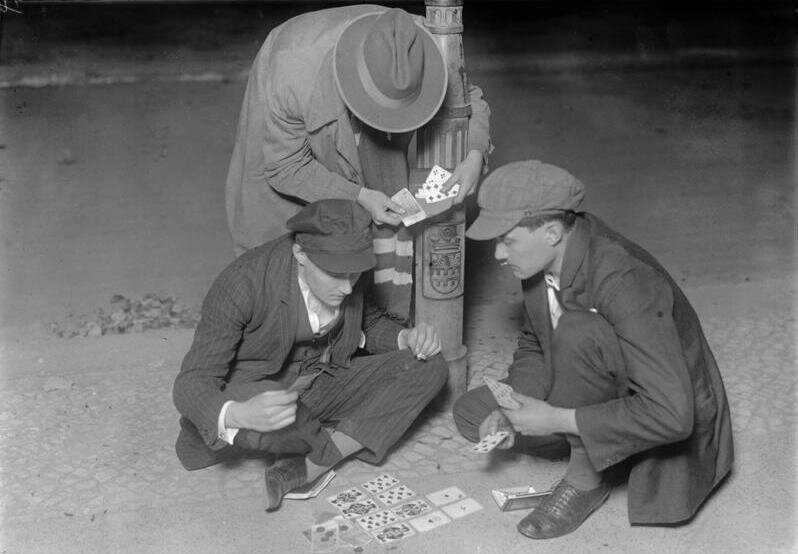
The Psychology of the Gamble
Why is gambling so compelling? The answer lies in how our brains are wired. The uncertainty of the outcome creates a sense of excitement and anticipation. When we win, our brain releases a chemical called dopamine, which is associated with pleasure and reward. This is the same chemical system that responds to other enjoyable activities, like eating a great meal or listening to music.
For individuals with GD, the brain’s reward pathways are activated when they engage in gambling activities, Sternlicht notes, similar to how an individual with drug addiction might respond to stimuli.
One of the most powerful psychological hooks is something called a variable-ratio reinforcement schedule. It sounds complicated, but the idea is simple. You get rewarded an unpredictable number of times you perform an action. Slot machines are the classic example. You don't know if the next pull will be a jackpot, a small win, or nothing at all. This unpredictability keeps people engaged far longer than if they were rewarded every single time.
Our minds also play tricks on us through cognitive biases. One common bias is the gambler's fallacy—the mistaken belief that if something happens more frequently than normal during a given period, it will happen less frequently in the future. For instance, if a coin lands on heads five times in a row, many people feel that tails is "due" on the next flip. In reality, the odds are still 50/50 for each independent flip.
Another powerful effect is the "near-miss." When you almost win—like getting two out of three cherries on a slot machine—your brain can react in a similar way to an actual win. This encourages you to keep playing, chasing the feeling of that almost-win.
Who Gambles?
Gambling is a widespread activity that spans across all ages, genders, and socioeconomic levels. From bingo halls to online poker rooms, people from all walks of life participate. While it's a popular form of entertainment for many, the reasons people gamble can vary significantly.
Some are social gamblers, who enjoy the activity as a way to spend time with friends. Others might be drawn to the intellectual challenge of skill-based games. And for some, it's purely about the thrill and the hope of a big win. Demographics can influence the type of gambling someone prefers, but the appeal of risk and reward is nearly universal.
| Gambling Type | Primary Appeal | Common Participants |
|---|---|---|
| Lotteries | Low cost, large jackpot | Broad demographic, all ages |
| Casino Games | Excitement, atmosphere | Tourists, social groups |
| Sports Betting | Skill, knowledge of sports | Sports fans, analytical thinkers |
| Poker | Strategy, social interaction | Varies from casual players to professionals |
Understanding these basic principles is the first step in exploring the complex relationship between human psychology and the allure of the gamble.