Psychology of Gambling and Addiction Prevention
Introduction to Gambling Psychology
What is Gambling?
At its core, gambling is wagering something of value on an event with an uncertain outcome, hoping to win something of greater value. It's a simple idea that takes many forms.
gambling
noun
The practice of risking money or other stakes in a game of chance or a future event with an uncertain outcome.
This can range from buying a lottery ticket at the corner store to playing high-stakes poker in a casino. It includes betting on a horse race, playing a slot machine, or even making a friendly wager with a friend on the outcome of a sports game. The key elements are always the same: a stake, an element of chance, and a prize.
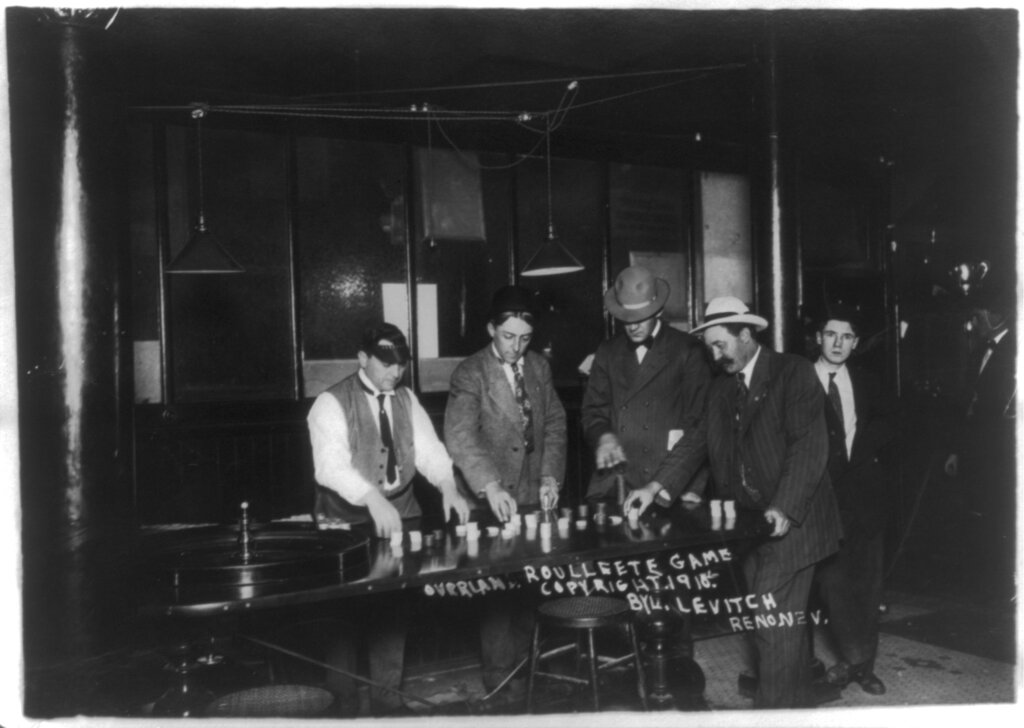
The Thrill of the Unknown
Why do people gamble? The appeal often lies in the psychology of risk and reward. The human brain is wired to feel pleasure from rewards, and the possibility of a reward can be just as powerful as the reward itself.
When you place a bet, your brain releases a chemical called dopamine. This neurotransmitter is associated with pleasure and anticipation. The uncertainty of the outcome makes the experience exciting. It’s not just about winning; it’s about the thrilling suspense of not knowing what will happen next.
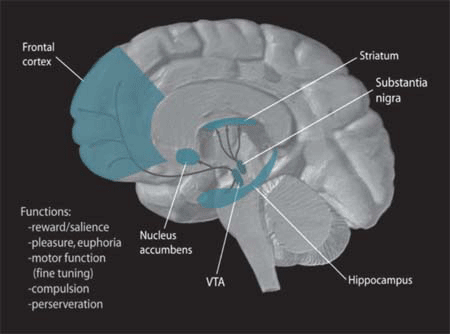
This feeling is amplified by something called the “near-miss” effect. Imagine a slot machine where the first two symbols line up for a jackpot, but the third one is just off. You didn't win, but for a moment, it felt like you were incredibly close. That near-miss can be even more stimulating than a small win, encouraging another try.
The brain often interprets a near-miss as progress toward a win, even when the outcome is completely random. This creates a powerful incentive to keep playing.
Weighing Risk and Reward
Every gamble is a calculation of risk versus reward. You risk a small amount (the stake) for the chance to win a much larger amount (the prize). People perceive this trade-off differently. For some, the potential reward feels significant enough to justify the risk of losing their stake.
This decision-making process isn't always rational. Cognitive biases can influence how we think about our chances. One common bias is the Gambler's Fallacy, the mistaken belief that if something happens more frequently than normal during a given period, it will happen less frequently in the future. For example, after a coin lands on heads five times in a row, someone might feel that tails is “due” to happen next, even though the probability remains 50/50 on every flip.
Another is Optimism Bias, where people believe they are more likely to experience positive events and less likely to experience negative events than others. In gambling, this can manifest as an inflated sense of one's chances of winning.
When It Stops Being Fun
For most people, gambling is an occasional form of entertainment. However, for some, it can become a problem. The line between casual fun and a potential issue can be blurry. Recognizing the initial signs is important.
Early warning signs include:
- Chasing losses: Trying to win back money you've lost, often by making bigger or riskier bets.
- Gambling with money you can't afford to lose: Using funds meant for rent, bills, or other essentials.
- Lying about gambling: Hiding the extent of your gambling from family or friends.
- Losing control: Feeling unable to cut back or stop gambling, even when you want to.
- Preoccupation: Spending a lot of time thinking about gambling, planning the next bet, or figuring out how to get more gambling money.
Gambling addiction, or Gambling Disorder (GD), is defined by an uncontrollable urge to engage in gambling activities, despite facing negative consequences or having a desire to stop.
These behaviors indicate that the activity is no longer just a game but is starting to have a negative impact on a person's life. Understanding these early signs is the first step in maintaining a healthy relationship with games of chance.