Psychology of Gambling and Addiction Prevention
Introduction to Gambling Psychology
The Brain on a Bet
Deep inside your brain is a network of pathways known as the reward system. Its main job is to make you feel good when you do things that are generally beneficial for survival, like eating or socializing. When you experience something pleasurable, this system releases a chemical called dopamine, which acts as a powerful motivator. It essentially tells your brain, "That was good. Let's do it again."
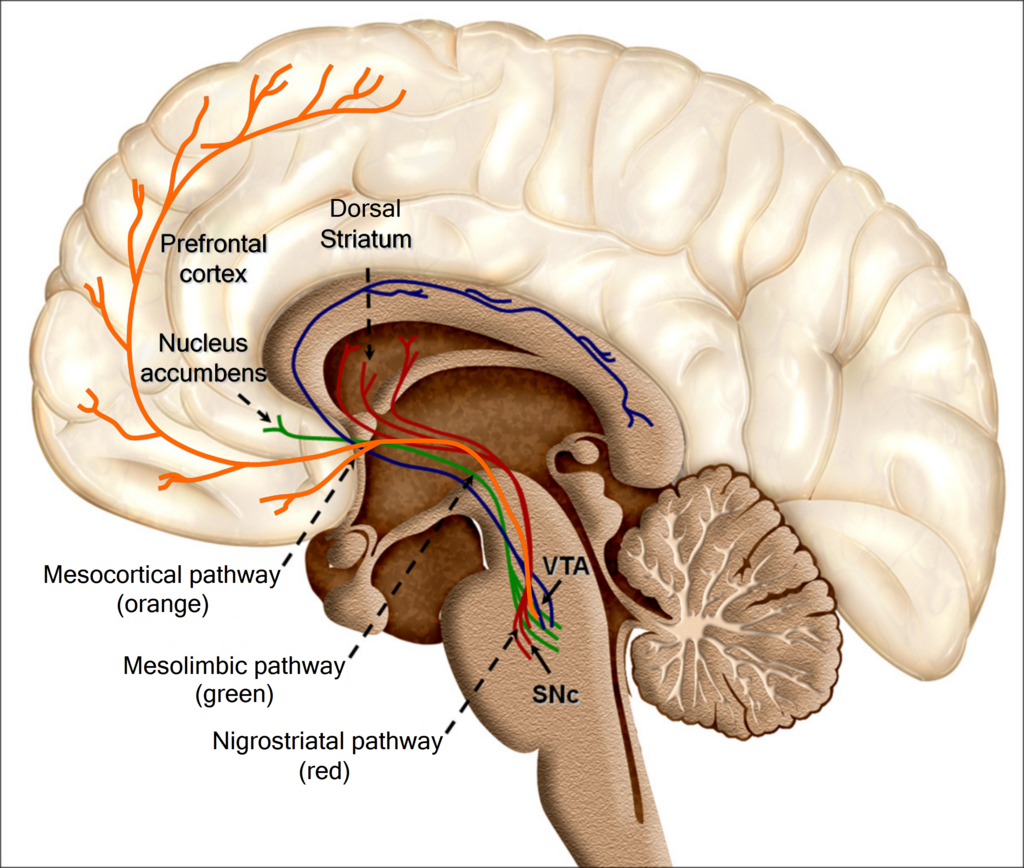
Gambling hijacks this system. The possibility of winning, even a small one, triggers a rush of dopamine. It’s not just the win itself that feels good; the anticipation is just as potent. The brain responds strongly to uncertainty. The moments before the dice stop rolling or the last card is turned over are flooded with dopamine, creating a sense of excitement and pleasure.
This effect is magnified by something called a variable-ratio reinforcement schedule. It sounds complex, but it's simple: the rewards are unpredictable. You don't know when you'll win, or how much. This uncertainty keeps the dopamine system highly activated and makes the behavior incredibly compelling, far more so than if wins were predictable.
Thinking Traps
Our brains are wired to find patterns, a skill that helps us navigate the world. But in the world of chance, this instinct can lead us astray through cognitive biases, or mental shortcuts that result in flawed judgments.
One of the most common is the Gambler's Fallacy. This is the belief that past random events influence future ones. If a roulette wheel lands on red ten times in a row, many people feel that black is "due." In reality, the probability of red or black on the next spin is still the same as it always was. Each spin is an independent event.
Another powerful bias is the Illusion of Control. This is the tendency to overestimate our ability to influence events that are actually random. Kissing the dice for good luck, pressing a slot machine button in a specific way, or choosing "lucky" lottery numbers are all examples. These actions give a false sense of skill and control over an outcome determined by pure chance.
Perhaps the most powerful psychological hook is the "near miss." When you almost win—getting two out of three cherries on a slot machine, for example—your brain's reward system lights up almost as much as it would for a real win. This encourages you to keep playing, because a win feels just around the corner.
Simply learning to recognise these biases in your own gambling can help you make better decisions about whether to play on or walk away.
Feelings and the Flutter
Gambling isn't just about logic and odds; it's deeply tied to our emotions. For some, it serves as a form of escapism. When facing stress, boredom, anxiety, or loneliness, the immersive nature of a game can offer a temporary mental checkout. The focus required for the game pushes away difficult thoughts and feelings, providing a short-term relief.
On the other hand, positive emotions are also a major driver. The thrill of taking a risk and the excitement of a potential big win create a euphoric high. This emotional rush can be a powerful motivator, drawing people back to the activity for the feeling it provides, regardless of the financial outcome.
Both positive and negative emotions can create a cycle. Someone might gamble to escape feeling down, experience the brief excitement of playing, and then feel worse after losing money, leading them to seek that escape again.
Understanding these psychological forces—the brain's reward chemistry, the common thinking traps, and the emotional triggers—is the first step to seeing why gambling can have such a powerful hold on people.