Psychology of Gambling and Addiction Prevention
Introduction to Gambling Psychology
The Brain on a Bet
At its core, gambling is a powerful psychological experience. It taps directly into the brain's reward system, a network of pathways designed to motivate us to repeat actions that are good for survival, like eating or socializing. When we do something pleasurable, this system releases a chemical called dopamine.
Dopamine is often called the "feel-good" chemical, but that's only part of the story. It's more accurately described as the chemical of anticipation and motivation. The brain releases dopamine not just when you receive a reward, but when you expect one. The uncertainty of gambling—the possibility of a big win—sends this system into overdrive. It’s the thrill of what could happen that keeps people engaged.
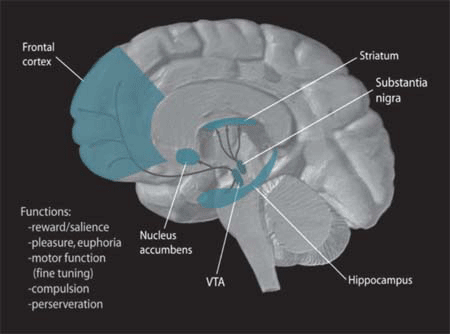
Every bet, every spin of the wheel, and every card flip triggers a potential dopamine rush. The actual winning is almost secondary to the intense anticipation of the outcome. This loop of anticipation and potential reward is what makes gambling so compelling, and in some cases, hard to stop.
The Power of Almost Winning
Have you ever played a game where you came incredibly close to winning? Maybe you had two out of three matching symbols on a slot machine, or your horse finished second in a race. This feeling is known as the near-miss effect, and it’s a powerful driver of continued gambling.
A near-miss isn't processed by the brain as a loss. Instead, it activates the same reward pathways as an actual win, creating a strong urge to try again.
This psychological quirk makes you feel like you're getting closer to a win and that your luck is about to turn. Game designers are well aware of this. Slot machines, for example, are often programmed to produce a high number of near-misses. These moments create frustration but also a surge of encouragement, making the player think, "I was so close! I should play one more time."
Misunderstanding Chance
Our brains are wired to find patterns, a skill that has served us well throughout evolution. However, this instinct can lead us astray when dealing with truly random events, like those in most games of chance. This leads to a common thinking error.
Gambler's Fallacy
noun
The mistaken belief that if a particular event has occurred more frequently than normal in the past, it is less likely to happen in the future (or vice versa).
Imagine flipping a coin. If it lands on heads five times in a row, what are the odds it will land on heads on the next flip? Many people feel strongly that tails is "due." But the coin has no memory. Each flip is an independent event, and the odds are always 50/50. The past outcomes have no influence on the future. This fallacy can lead gamblers to make risky bets, believing they've spotted a pattern in the randomness.
Thinking Traps
The Gambler's Fallacy is just one of several cognitive distortions, or faulty thinking patterns, that can affect a person's gambling behavior. Another powerful one is the illusion of control.
This is the belief that you can influence the outcome of a random event. Examples include blowing on dice before a roll, pressing a slot machine button in a specific way, or choosing "lucky" numbers for a lottery. These rituals provide a sense of agency over a situation that is, in reality, completely out of the player's hands. When a win happens to follow one of these rituals, it reinforces the false belief, strengthening the illusion.
| Distortion | Description | Example |
|---|---|---|
| Illusion of Control | Believing you can influence random outcomes. | Kissing the dice for good luck before rolling. |
| Selective Memory | Remembering wins more vividly than losses. | Talking about a big jackpot won last year, but not the small losses since. |
| Personification of Luck | Treating luck as a personal attribute that can be present or absent. | Saying "I'm feeling lucky tonight!" as a reason to bet more. |
| Near-Miss Effect | Viewing an outcome that was close to a win as an encouragement to continue. | Seeing two of three cherries on a slot machine and feeling you almost won. |
These cognitive traps work together to create a distorted view of gambling, making it seem less like a game of pure chance and more like a game of skill where outcomes can be influenced or predicted. Understanding these psychological drivers is the first step in seeing gambling for what it is.
Ready to test your knowledge on the psychology behind gambling?
What is the primary role of dopamine in the context of gambling?
The feeling of being very close to winning, like getting two out of three matching symbols on a slot machine, is known as the ______.