Psychology of Gambling and Addiction Prevention
Introduction to Gambling Psychology
The Mind at Play
Gambling isn't just about money and luck. It's a psychological landscape filled with mental shortcuts, emotional triggers, and powerful cognitive biases. Understanding why people gamble, and why some find it so hard to stop, begins with exploring the inner workings of the mind when risk is on the table.
When Thinking Goes Sideways
Our brains are wired to find patterns, even where none exist. In gambling, this can lead to cognitive distortions, which are irrational ways of thinking that convince a person their chances of winning are better than they really are. These aren't just wishful thinking; they feel like logical conclusions.
One of the most common distortions is the Gambler's Fallacy.
This is the mistaken belief that if something happens more frequently than normal during a given period, it will happen less frequently in the future. For example, if a roulette wheel lands on red ten times in a row, someone committing this fallacy will feel certain that black is "due" to hit next. In reality, each spin is an independent event. The odds of it landing on red or black are the same every single time, regardless of past results.
Another powerful distortion is the illusion of control. This is the tendency to overestimate one's ability to influence events that are actually random. Think of someone blowing on dice before a roll, pressing a slot machine button in a specific way, or choosing their own lottery numbers instead of getting a random ticket. These actions give a false sense of skill and agency, making the gambler feel like they have a hand in the outcome.
Then there’s the “near miss” effect. When a gambler almost wins—like getting two out of three symbols on a slot machine—the brain interprets it not as a loss, but as encouragement to keep trying. The brain's reward system can light up almost as much for a near miss as it does for an actual win, creating a powerful incentive to play again.
Emotional Triggers
Gambling behavior is often driven by feelings, not logic. For many, it starts as a way to seek positive emotions. The thrill of a potential win, the excitement of the risk, and the rush of adrenaline can be powerful motivators. This chase for a “high” can make gambling a compelling form of entertainment.
On the flip side, gambling can also serve as an escape from negative emotions. People might gamble to distract themselves from stress at work, anxiety, loneliness, or depression. For a short time, the focus and intensity of the game can provide a temporary refuge from life's problems. The issue is that the problems are still there when the game is over, often made worse by financial losses.
This leads to one of the most dangerous emotional traps in gambling: chasing losses.
After losing money, a person might feel a desperate urge to win it back. This isn't usually a rational decision. It’s an emotional reaction driven by panic, frustration, and a desire to undo the negative feeling of the loss. This can lead to bigger and riskier bets, creating a destructive cycle that is difficult to break.
The Impact on Mental Health
The psychological highs and lows of gambling can take a significant toll on mental well-being. The stress associated with mounting debts and the secrecy that often surrounds excessive gambling can lead to chronic anxiety. A person might constantly worry about financial problems, hide their behavior from loved ones, and feel on edge.
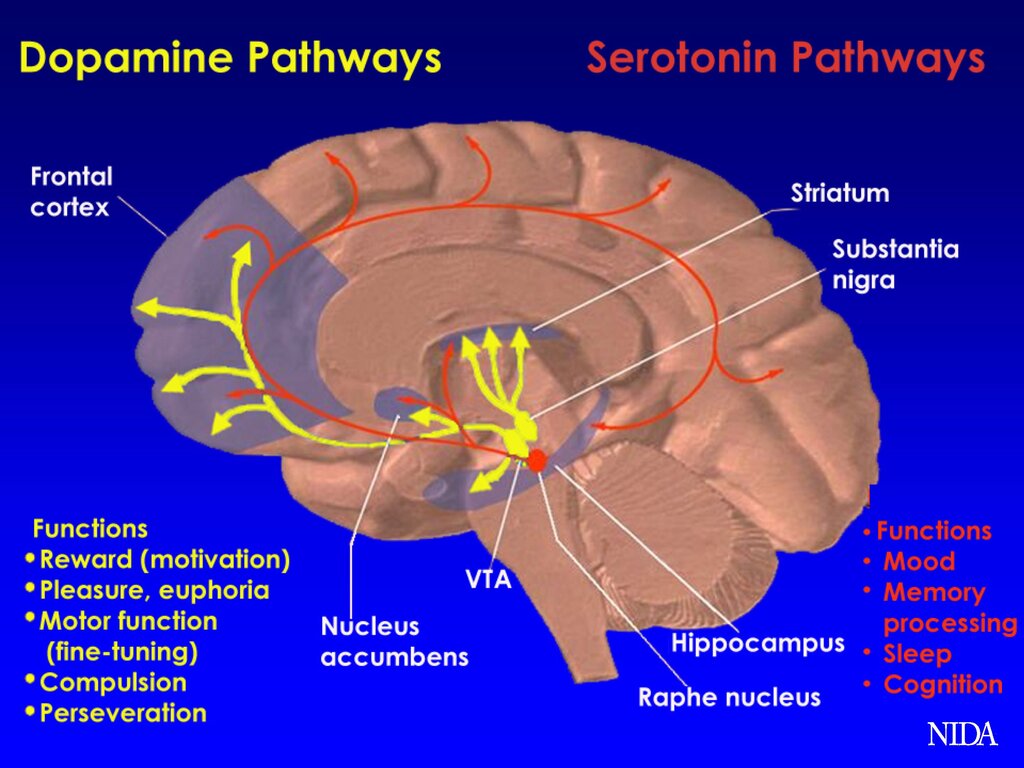
There is also a strong link between problem gambling and depression. The cycle of chasing losses can create feelings of hopelessness and despair. The financial, social, and personal consequences of gambling can erode a person's self-esteem and lead to a sense of being trapped. The emotional rollercoaster—from the temporary excitement of a potential win to the crushing reality of a loss—is mentally exhausting and can contribute to or worsen depressive disorders.
Understanding these psychological factors doesn't excuse harmful behavior, but it helps explain it. It shows that problem gambling is often more than just a financial issue; it's deeply rooted in the complex interplay of human cognition and emotion.
A roulette wheel has landed on black five times in a row. A gambler strongly believes that red is "due" to come up next. This thinking is an example of what cognitive distortion?
Which of the following actions is a clear example of the "illusion of control" in gambling?