Psychology of Gambling and Addiction Prevention
Introduction to Gambling Psychology
What Drives the Gamble?
Gambling is more than just a game of chance; it's a window into how the human mind works under pressure. Gambling psychology is the field that studies the thoughts, emotions, and behaviors that lead people to take risks with money or valuables, hoping for a larger return. It explores why a bet feels so compelling and what happens in our brains when we win, lose, or almost win.
At its core, this field isn't just about problem gambling. It's about understanding the universal human tendencies that make the prospect of a win, however unlikely, feel irresistible. Our brains are wired to seek rewards, and gambling provides a direct, though unpredictable, path to that feeling of success.
Why People Play
The reasons people gamble are as varied as the games they play. While the dream of a big jackpot is a powerful lure, it's rarely the only motivation. Understanding these drivers is the first step in understanding gambling behavior.
People often gamble for the social connection, the thrill of uncertainty, a mental escape from daily stress, or the challenge of testing their luck or skill.
A weekly poker game can be more about friendship than about the money on the table. Buying a lottery ticket might be a way to indulge in a harmless fantasy. For others, the intense focus required by a game like blackjack provides a temporary escape from worries. The adrenaline rush from a close game or a spinning roulette wheel can be a powerful attraction in itself.
When Thinking Goes Sideways
Our brains use mental shortcuts, or cognitive biases, to make quick decisions. While these shortcuts are useful in everyday life, they can lead to flawed logic in the world of gambling, where outcomes are governed by random chance.
These aren't signs of low intelligence; they are universal patterns of thinking. For example, the Gambler's Fallacy is the mistaken belief that if something happens more frequently than normal during a given period, it will happen less frequently in the future. If a coin lands on heads five times in a row, many people feel that it's "due" to land on tails, even though the probability remains 50/50 for every single flip.
Another common bias is the near-miss effect. When a slot machine shows two cherries and a lemon, the brain interprets it as almost winning. This feeling is strangely encouraging and prompts another spin, even though the result was a complete loss. The brain focuses on how close the outcome was to a win, not on the reality of the loss.
The Role of Emotion
Gambling decisions are rarely purely logical; they are heavily influenced by our emotions. The excitement of a potential win can create a state of high arousal, making it difficult to think clearly and assess risk accurately. This is often called being "in the zone."
Losses can trigger negative emotions like frustration or disappointment, which can lead to a behavior known as "chasing losses." This is the urge to keep gambling to win back money you've lost, often by making bigger and riskier bets. Instead of cutting their losses, the person digs a deeper hole, driven by the emotional desire to undo the negative feeling of the loss.
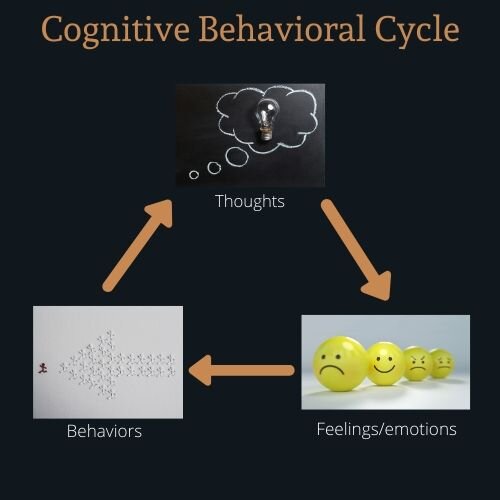
Conversely, a big win can create a feeling of euphoria and overconfidence. This can lead a person to believe they have a special skill or are on a lucky streak, causing them to take risks they normally wouldn't. Both the highs of winning and the lows of losing can cloud judgment and steer behavior in irrational directions.
A roulette wheel has landed on red for six consecutive spins. According to the Gambler's Fallacy, what is the most likely outcome of the next spin?
What is the 'near-miss effect' in gambling psychology?
Understanding these basic psychological drivers is the foundation for recognizing how gambling can be appealing, and how for some, it can become a problem.