Psychological Safety and Industrial Relations in the UK Fire Service
Service Culture and Safety
Command Structure vs. Crew Culture
The UK Fire and Rescue Service operates with a rigid, paramilitary command structure. On the incident ground, this hierarchy is essential. Clear lines of authority and immediate compliance with orders are critical for safety and effective emergency response. A firefighter needs to trust that the commands from their incident commander are based on experience and a wider view of the situation. This system saves lives.
However, this same top-down structure can create significant challenges away from emergencies. When the adrenaline subsides and crews are back at the station, the ingrained deference to rank can inadvertently create a culture of silence. Personnel may feel hesitant to report near-misses, question established procedures, or raise concerns for fear of being seen as questioning authority or causing trouble. This is the central conflict: the culture required for operational command can undermine the psychological safety needed for a healthy, learning-focused organisation.
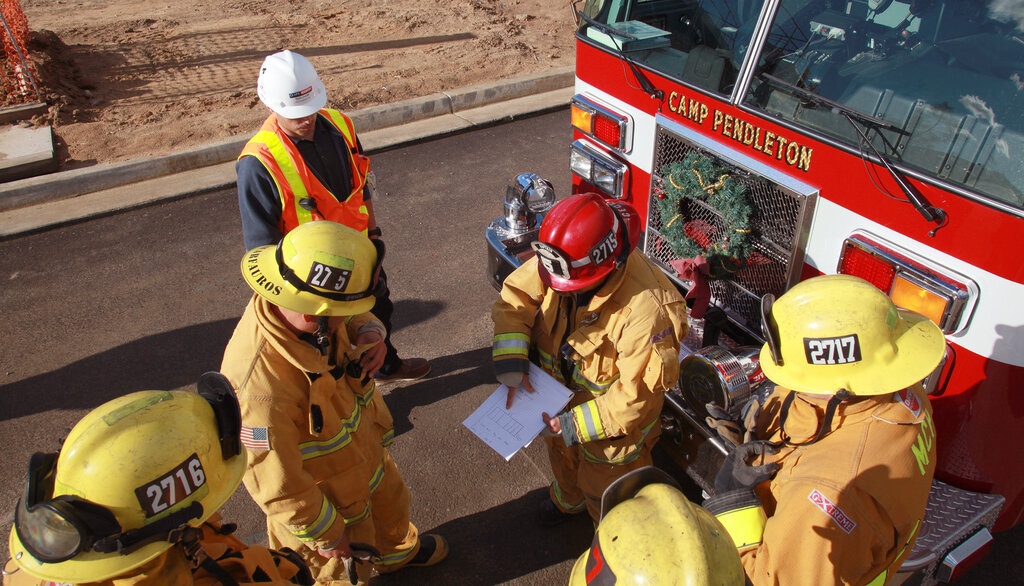
This isn't a theoretical problem. A 2023 report on 'Values and Culture' by His Majesty's Inspectorate of Constabulary and Fire & Rescue Services (HMICFRS) brought these issues into sharp focus. The report identified serious, systemic problems across the FRS, including widespread cases of bullying, harassment, and discrimination. It highlighted how a culture of fear prevented people from speaking up, allowing poor behaviour to go unchallenged.
In response, the National Fire Chiefs Council (NFCC) launched its 'Culture Action Plan'. This plan provides a framework for services to address the report's findings, aiming to create a more inclusive and psychologically safe environment. The goal is to shift the organisational culture without compromising the necessary command and control at operational incidents.
The challenge is to maintain a structure where orders are followed without question during a crisis, while fostering an environment where everything can be questioned afterwards for the sake of learning and safety.
The Double-Edged Sword of Bravery
The public image of a firefighter is one of bravery and resilience. This 'bravado' culture is a source of pride and identity within the service, but it can have a dark side. The expectation to be stoic and unflappable often makes it difficult for personnel to admit they are struggling or to disclose mental health concerns. This pressure can extend to physical incidents; firefighters may downplay injuries or ignore unsafe practices to avoid being seen as weak or not up to the job.
This creates a significant barrier. If a firefighter feels unable to talk about the psychological toll of the job, they are also less likely to speak up about a safety concern or challenge a risky order. The culture of bravery, essential for facing physical danger, can become a barrier to addressing the human factors that lead to mistakes and harm.
Balancing Two Presences
To address this, leaders in the FRS must learn to balance two distinct types of presence. 'Command presence' is the authority and decisiveness projected at an incident. It inspires confidence and ensures orders are followed. It's about being in charge.
'Psychological presence', on the other hand, is about being approachable and creating an environment where team members feel safe to be vulnerable. It involves active listening, showing empathy, and encouraging open dialogue. This is the quality that allows a watch manager to effectively debrief an incident, inviting honest feedback on what went right and what went wrong without fear of blame.
Achieving this balance is the key to cultural reform. Officers must be able to seamlessly switch from a directive style on the incident ground to a more collaborative and supportive style in the fire station. This means demonstrating that challenging a decision in a debrief isn't seen as insubordination, but as a vital part of professional development and improving the safety of the entire crew.
Ultimately, the cultural health of the Fire and Rescue Service depends on its ability to navigate this complexity. It needs to build an environment where its people feel valued and safe enough to speak up, ensuring the organisation can learn from its mistakes and adapt. This cultural foundation is just as critical to firefighter safety as any piece of protective equipment.
What is the central cultural conflict within the UK Fire and Rescue Service as described in the text?
According to the text, what is a primary negative consequence of the 'bravado' culture in the Fire and Rescue Service?