Psycho-behavioral Signs in Elderly Neurodegenerative Disease
Introduction to Neurodegenerative Diseases
When Brain Cells Decline
Neurodegenerative diseases are conditions where nerve cells in the brain, called neurons, gradually break down and stop working. Think of it like a complex electrical grid where wires start to fray and connections fail over time. This process, called neurodegeneration, is progressive, meaning it worsens as more and more cells are lost.
Neuron
noun
A specialized cell in the nervous system that transmits information to other nerve cells, muscle, or gland cells. Neurons are the basic working units of the brain.
Because different types of neurons are found in different parts of the brain, the specific symptoms a person experiences depend on which areas are affected. While there are many types of neurodegenerative diseases, we'll focus on three of the most common in older adults: Alzheimer's disease, Parkinson's disease, and frontotemporal dementia.
Alzheimer's Disease
Alzheimer's disease is the most common cause of dementia. Its hallmark is the slow decline of memory, thinking, and reasoning skills. At the cellular level, two main culprits are at work: amyloid plaques and tau tangles.
Imagine plaques as sticky clumps of protein that build up in the spaces between neurons, disrupting their ability to communicate. Tangles, on the other hand, are twisted fibers of a protein called tau that build up inside the cells, blocking their internal transport system and eventually leading to cell death. This damage usually begins in the hippocampus, the brain's memory center, which is why memory problems are often the first sign.
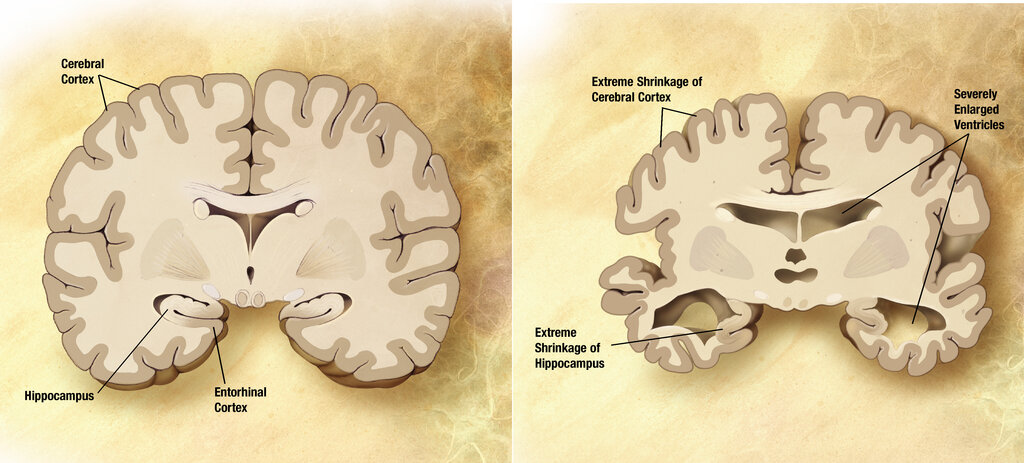
As the disease progresses, this damage spreads to other parts of the brain. The progression is typically gradual, unfolding over many years. What starts as mild forgetfulness can eventually affect language, problem-solving, and the ability to perform daily tasks. In the final stages, individuals may lose the ability to respond to their environment and carry on a conversation.
Parkinson's Disease
Parkinson's disease primarily affects movement, causing symptoms like tremors, stiffness, and difficulty with balance and coordination. The root of the problem lies deep in the brain in an area called the substantia nigra. Neurons here produce a chemical messenger, or neurotransmitter, called dopamine.
Dopamine acts like a traffic controller for movement, ensuring signals from the brain to the muscles are smooth and coordinated. In Parkinson's, these dopamine-producing neurons die off. As dopamine levels drop, the movement-related symptoms appear and worsen.
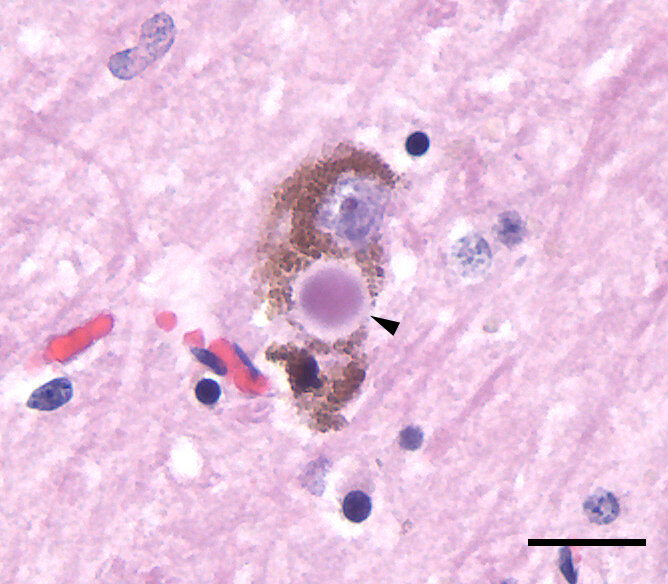
Scientists also find tiny, abnormal protein clumps called Lewy bodies inside the affected neurons. These clumps are made of a protein called alpha-synuclein and are a key feature of the disease.
The progression of Parkinson's is slow. In the early stages, symptoms may be mild and affect one side of the body. Over time, they typically spread to both sides and can begin to interfere with daily activities. While movement problems are the most visible signs, many people also develop non-motor symptoms like sleep problems, constipation, and loss of smell.
Frontotemporal Dementia
Frontotemporal dementia (FTD) is a less common group of disorders that results from the degeneration of the frontal and temporal lobes of the brain. These are the areas right behind your forehead and ears. The frontal lobes are your brain's control panel for personality, behavior, and judgment, while the temporal lobes handle language.
Unlike Alzheimer's, FTD often strikes at a younger age, typically between 40 and 65, and memory loss is not usually an early symptom. The changes are often in personality and behavior. Someone who was once polite and reserved might become impulsive or socially inappropriate. Others may develop problems with language, struggling to find the right words or understand what others are saying.
The underlying cause of FTD is the buildup of abnormal proteins, including tau (the same protein in Alzheimer's) and another called TDP-43, which cause neurons in these frontal and temporal regions to die.
FTD progresses steadily, and the specific symptoms depend on which parts of the frontal and temporal lobes are most affected. Over time, the disease can impact more brain regions, leading to difficulties with movement that resemble those seen in Parkinson's disease.
Common Symptoms
While each disease is distinct, there's overlap in the kinds of symptoms they cause. These can be broadly grouped into cognitive and motor changes.
| Symptom Type | Description | Examples |
|---|---|---|
| Cognitive | Changes in thinking, memory, and reasoning. | Difficulty remembering new information, problems with language (speaking or understanding), poor judgment, trouble planning or organizing. |
| Motor | Changes in movement and coordination. | Tremors (shaking), muscle stiffness or rigidity, slow movement, poor balance, difficulty walking. |
In the beginning, one type of symptom usually dominates. For example, Alzheimer's typically starts with cognitive symptoms, while Parkinson's begins with motor symptoms. However, as these diseases progress and affect more of the brain, many people will experience a mix of both.
Understanding the specific disease and its typical progression is a crucial first step. It helps set realistic expectations and provides a framework for recognizing and responding to changes as they occur.