Psychiatry Exam Prep Essentials
Introduction to Psychiatry
What Is Psychiatry?
Psychiatry is the branch of medicine focused on mental health. It involves the diagnosis, treatment, and prevention of mental, emotional, and behavioral disorders. Unlike many other medical fields that deal with tangible illnesses you can see on an X-ray or in a blood test, psychiatry addresses the complexities of the mind.
A psychiatrist is a medical doctor, an M.D. or a D.O., who specializes in mental health. They are trained to understand the complex relationship between physical and mental health and can distinguish mental health problems from other underlying medical conditions.
A Quick Look Back
The approach to mental illness has changed dramatically over time. For centuries, mental health conditions were often misunderstood, attributed to supernatural forces or moral failings. This led to treatments that were ineffective and often cruel.
The 18th and 19th centuries saw the rise of asylums. While often founded with good intentions, many became overcrowded and offered little more than confinement. Records from this era provide a stark look at how mental illness was categorized and managed.

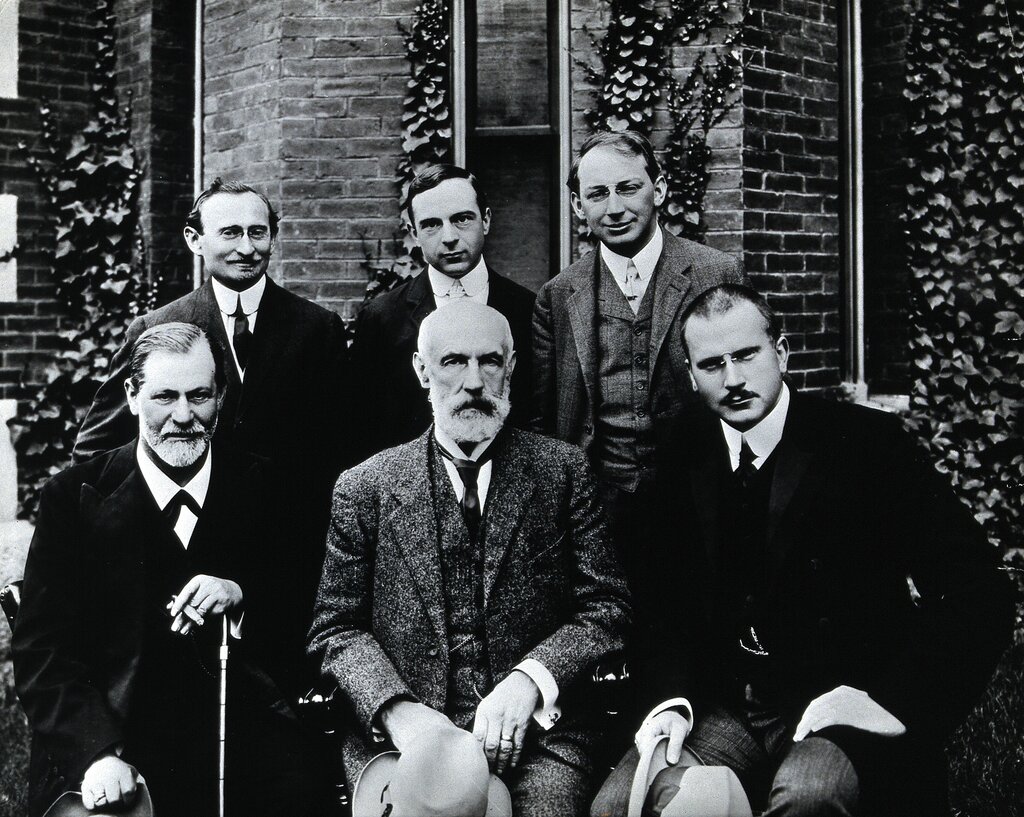
The late 19th and early 20th centuries brought significant shifts. Figures like Sigmund Freud introduced psychoanalysis, pioneering the idea that talking about one's problems could be therapeutic. This marked a major turn toward understanding the psychological roots of mental distress.
Another revolution came in the mid-20th century with the development of psychotropic medications. The first antipsychotic drugs gave doctors new tools to manage severe symptoms, transforming patient care and allowing many to live outside of institutions.
The Psychiatrist's Role
So, what does a psychiatrist actually do? Their work is multifaceted. A key part of their role is diagnosis. They conduct interviews, review medical histories, and sometimes use psychological tests to understand a patient's condition.
Because they are medical doctors, psychiatrists are uniquely qualified to prescribe medication. They manage these treatments, adjusting dosages and types of medication to find the most effective plan with the fewest side effects. They also provide psychotherapy, or "talk therapy," helping patients explore their thoughts, feelings, and behaviors.

Psychiatrists consider the whole person. They look at the interplay of biological factors (like genetics and brain chemistry), psychological factors (like thought patterns and trauma), and social factors (like relationships and environment) to create a comprehensive treatment plan.
A Common Language for Diagnosis
To ensure consistency in diagnosing mental health conditions, professionals need a shared framework. In the United States and many other parts of the world, this framework is the Diagnostic and Statistical Manual of Mental Disorders, or DSM.
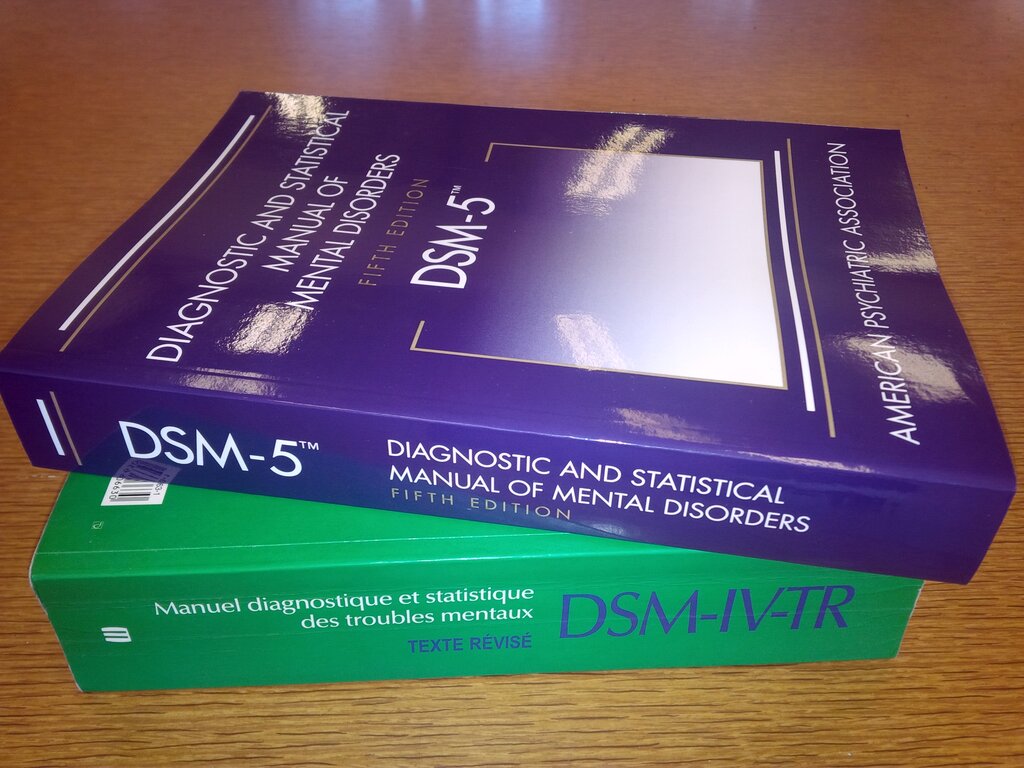
Published by the American Psychiatric Association, the DSM provides detailed descriptions and criteria for diagnosing mental disorders. The current version is the DSM-5-TR (Text Revision). It helps ensure that a diagnosis of, for example, major depressive disorder in one clinic is based on the same criteria as in another. This standardization is vital for treatment, research, and communication among healthcare providers.
The DSM-5 will be a “critical guidebook for clinicians” — a theme echoed by the other speakers on the call.
It's important to remember that the DSM is a diagnostic tool, not a treatment manual. It helps identify and classify a condition, but it doesn't tell a psychiatrist how to treat it. That decision is based on a clinician's expertise and the individual needs of the patient.
Let's review some key terms before we test your knowledge.
Now, check your understanding of these foundational concepts.
What is a key qualification that distinguishes a psychiatrist from many other mental health professionals?
What is the primary purpose of the Diagnostic and Statistical Manual of Mental Disorders (DSM)?
Understanding these basics of psychiatry provides a solid foundation for exploring the specific disorders and treatments that make up this complex and vital field of medicine.