Psychedelics for End-of-Life Anxiety
Neurobiological Mechanisms
The Brain's Reset Button
Psychedelics like psilocybin and LSD don't just produce hallucinations; they fundamentally alter how brain networks communicate. At the center of this change is the (DMN), a collection of brain regions that hums with activity when we're introspecting, daydreaming, or thinking about ourselves. It's the neural basis of our ego and self-narrative.
In conditions like anxiety and depression, especially the existential dread that can accompany a terminal illness, the DMN can become overactive and rigid. This leads to loops of negative, self-referential thoughts, or rumination. The brain gets stuck in a pattern, reinforcing feelings of hopelessness and fear.
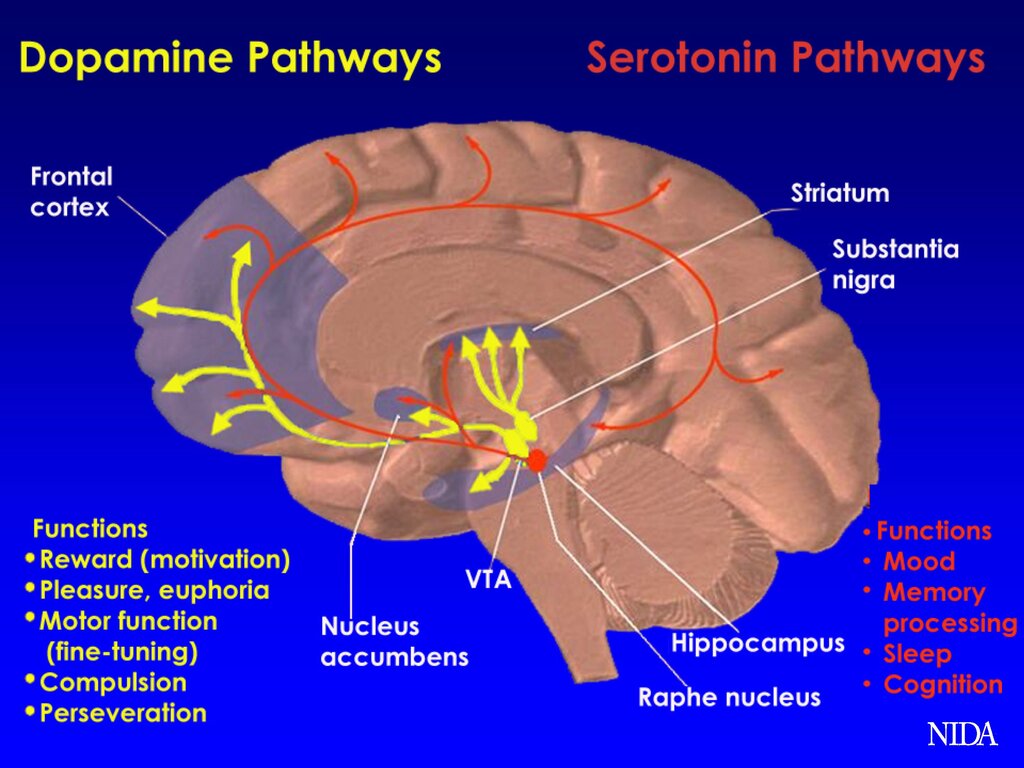
Psychedelics offer a way to disrupt these rigid patterns. They act as a
One possible mechanism of action by which psilocybin produces anti-depressant effects is via interaction with/alteration of the default-mode network (DMN) [171].
By significantly reducing blood flow and coordinated activity within the DMN, these substances temporarily quiet the brain's inner critic.
Ego Dissolution and the DMN
The core of the DMN consists of two major hubs: the medial prefrontal cortex (mPFC), which deals with thinking about ourselves, and the posterior cingulate cortex (PCC), which integrates information from different parts of the brain. Normally, these two regions are in constant, synchronized communication.
Under the influence of psilocybin or LSD, the functional connection between the mPFC and PCC weakens dramatically. This decoupling is the neurobiological signature of ego dissolution, the profound experience where the sense of being a separate self fades away. When the brain's
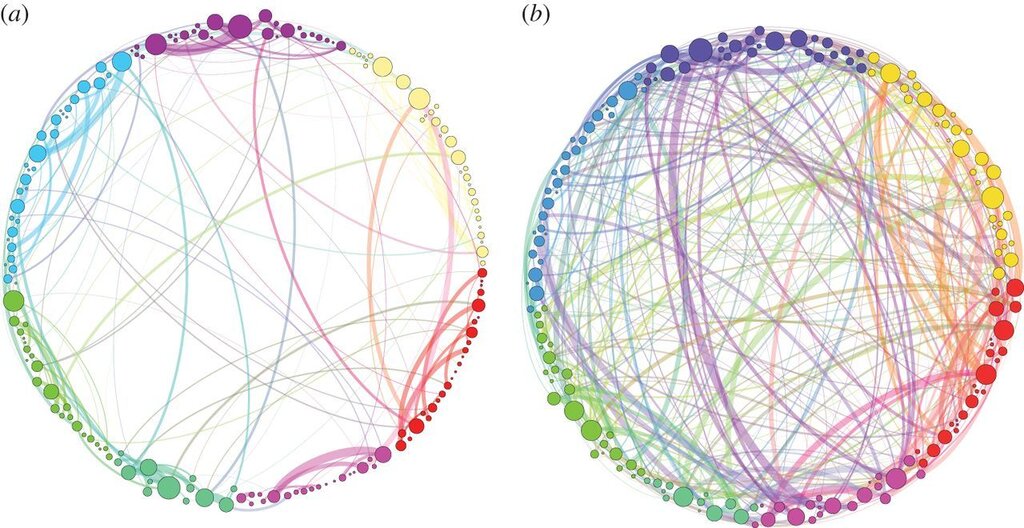
This neurological
Shaking the Snow Globe
Two interconnected models help explain this reset: the Entropic Brain hypothesis and the REBUS model. The Entropic Brain theory suggests that a normal, conscious brain operates in a state of relatively low entropy—it's ordered and efficient, with predictable patterns of thought. Conditions like depression can be seen as an ultra-ordered, low-entropy state where thinking is rigid and repetitive. Psychedelics dramatically increase the brain's entropy, creating a more chaotic but also more flexible state. This allows for new connections to be made and novel perspectives to emerge, like shaking a snow globe to rearrange the settled flakes.
This increase in entropy is what makes the REBUS, or , model possible. REBUS proposes that the brain constantly makes predictions about the world based on prior beliefs. High-level beliefs, like our sense of self and our place in the world, are normally very stable and resistant to change. They are enforced by the top-down control of networks like the DMN.
By disrupting the DMN, psychedelics relax these high-level beliefs. This opens a
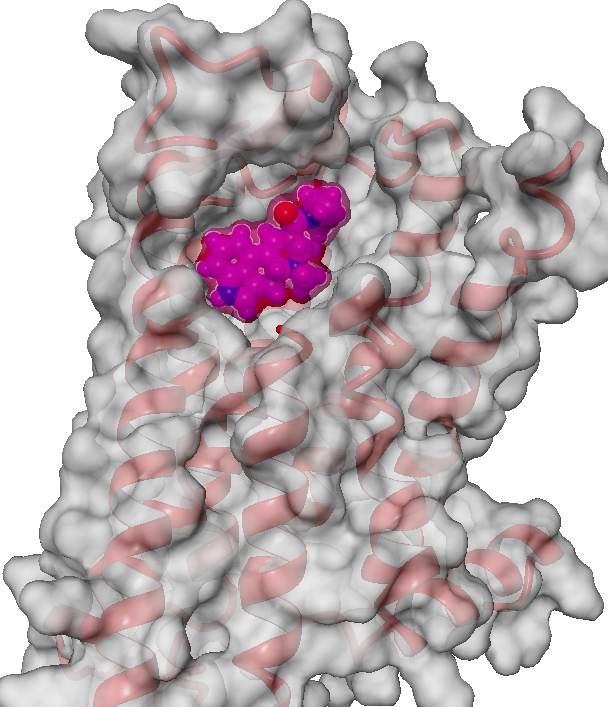
This entire cascade begins at a specific site: the serotonin 5-HT2A receptor. When psilocybin or LSD binds to this receptor, particularly in the higher-level cortex, it triggers the widespread changes in brain connectivity we've discussed. This initial molecular action is the key that unlocks the door to increased brain plasticity, allowing for the deep therapeutic work of reframing one's life and facing existential fears with a renewed sense of meaning and connection.
What is the primary role of the brain's Default Mode Network (DMN) during normal waking consciousness?
According to the provided text, psychedelics like psilocybin and LSD achieve their therapeutic effects by significantly increasing activity within the Default Mode Network (DMN).