Psychedelic Histories Unveiled
Ancient Use
The First Journeys Within
Long before laboratories and clinical trials, humans looked to the natural world for medicine, meaning, and connection to the divine. For thousands of years, certain plants and fungi have been revered not for their nutritional value, but for their ability to alter consciousness. These substances were sacred tools, used in structured ceremonies to heal the sick, communicate with spirits, and understand the cosmos. The experiences they produced were not escapes from reality, but deeper dives into it.
Mushrooms of the Gods
In ancient Mesoamerica, psilocybin-containing mushrooms were deeply integrated into spiritual life. The Aztec people called them teonanácatl, which translates to "flesh of the gods." These were not consumed casually; they were reserved for sacred rituals led by shamans to induce visions, diagnose illnesses, and prophesize the future. Spanish chronicles from the 16th century describe ceremonies where mushrooms were eaten, often with honey or chocolate, leading to powerful visionary states.
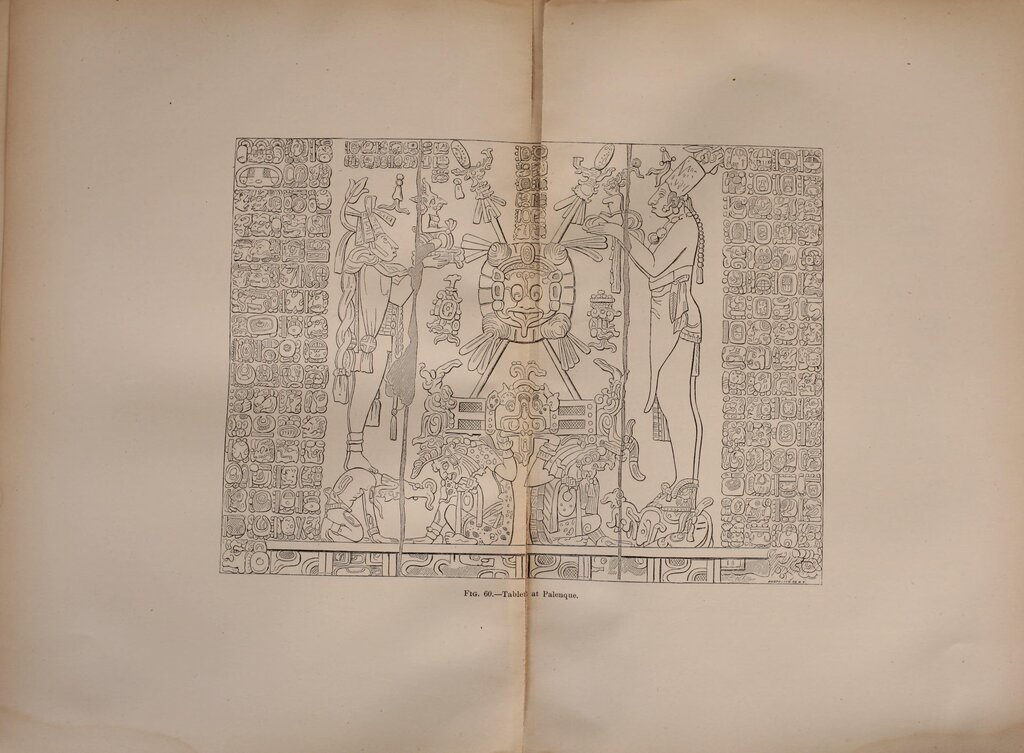
Archaeological evidence supports this long history. Carved "mushroom stones," some dating back as far as 1000 BCE, have been discovered in Guatemala and southern Mexico. These stone sculptures, often depicting a figure under a mushroom cap, are believed to be objects associated with mushroom rituals, connecting modern practices to a tradition that is thousands of years old.
The Vine of the Soul
Deep in the Amazon basin, indigenous cultures developed a powerful ceremonial brew known as ayahuasca. The name, from the Quechua language, means "vine of the soul" or "vine of the dead," hinting at its purpose: to allow the spirit to travel. For centuries, Amazonian shamans have used ayahuasca to diagnose and treat illnesses, seek guidance from the spirit world, and resolve communal disputes.
The preparation itself is a testament to sophisticated botanical knowledge. Ayahuasca is made by brewing two different plants together: the Banisteriopsis caapi vine and the leaves of the Psychotria viridis shrub. Separately, they have little psychoactive effect when ingested. The vine contains compounds that inhibit enzymes in the stomach, which allows the powerful psychedelic DMT from the leaves to become orally active. This specific combination, discovered without modern chemistry, is considered a marvel of indigenous science.
Somehow, those first ayahuasca shamans knew which plants to brew to create a profoundly powerful drink that would bring them in touch with their ancestors.
Sacred Plants Across Continents
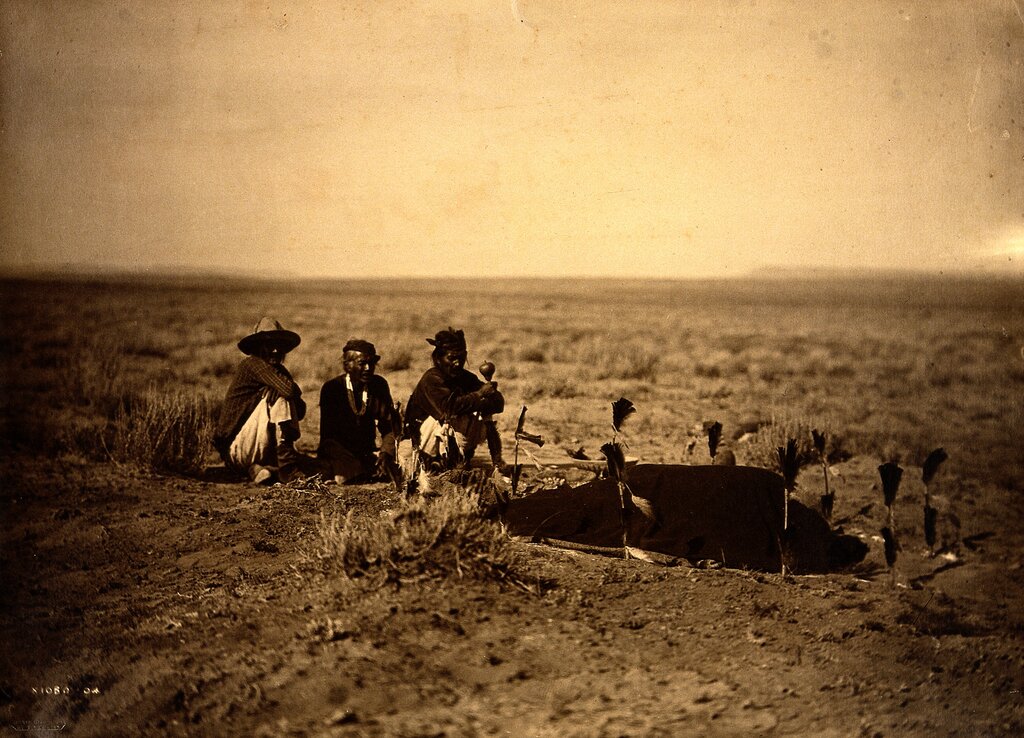
The use of psychoactive plants was a global phenomenon. In the Americas, the peyote cactus has been used for at least 5,000 years by indigenous peoples in Mexico and the Southwestern United States. For groups like the Huichol and, more recently, the Native American Church, peyote is a sacrament. It is consumed in all-night ceremonies to facilitate communion with the Creator, promote spiritual healing, and foster a sense of community.
In ancient Egypt, the blue lotus flower (Nymphaea caerulea) held significant cultural importance. Depicted frequently in tomb paintings and artifacts, it was associated with creation, rebirth, and the sun. The flowers were often steeped in wine, a process that would release their mild psychoactive alkaloids. This concoction was likely consumed during religious ceremonies and celebrations to induce a state of relaxed euphoria and heightened awareness.
Meanwhile, in ancient India, the sacred texts of the Rigveda speak of a divine drink called Soma. Priests and poets drank Soma during rituals to gain inspiration, feel closer to the gods, and achieve a state of immortality. The hymns describe it as a powerful, intoxicating plant-based substance. However, the exact identity of the original Soma plant has been lost to history. Scholars have proposed various candidates, from the fly agaric mushroom (Amanita muscaria) to species of Ephedra, but no theory has been definitively proven, leaving Soma as one of antiquity's greatest botanical mysteries.
What is the meaning of the Aztec word teonanácatl, used to describe psilocybin mushrooms?
The ceremonial brew ayahuasca requires combining the Banisteriopsis caapi vine and Psychotria viridis leaves to be psychoactive when ingested. Why is this specific combination necessary?