Pruning Your Rose of Sharon
Introduction to Rose of Sharon
Meet the Rose of Sharon
Despite its name, the Rose of Sharon isn't a rose at all. It's actually a type of hibiscus, with the botanical name Hibiscus syriacus. This hardy shrub is a favorite in many gardens because it produces beautiful, tropical-looking flowers in late summer, a time when many other plants have finished their show for the year.
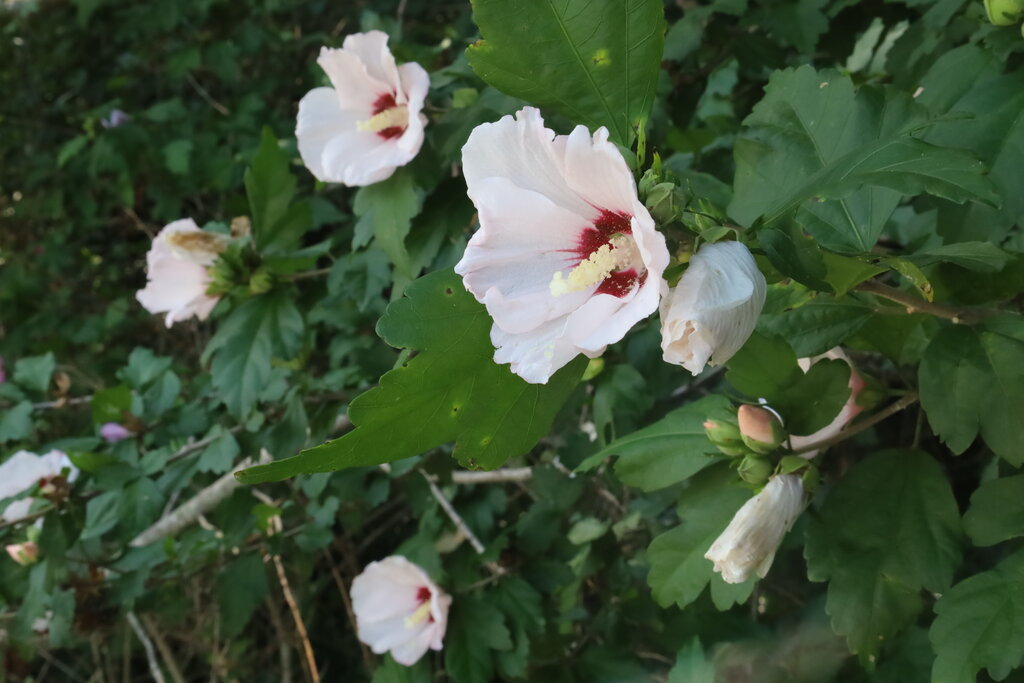
Originally from Asia, this plant is remarkably tough and adaptable, making it a reliable choice for gardeners in a wide range of climates.
Flowers, Stems, and Leaves
The main attraction of the Rose of Sharon is its flowers. They are large and trumpet-shaped, appearing in shades of white, pink, red, lavender, and blue. Many varieties have a contrasting darker color, or “eye,” in the center of the bloom. Each flower lasts for only a day or two, but the plant produces them in such abundance that it remains colorful for several weeks.
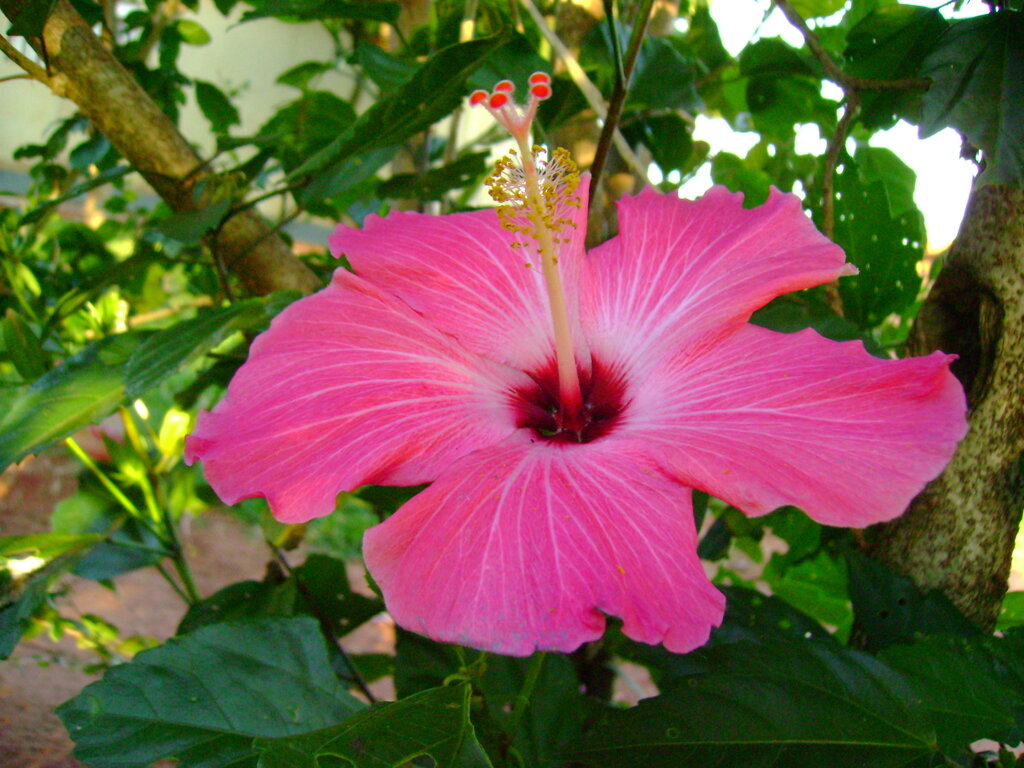
This plant is a deciduous shrub, which means it loses its leaves each fall and regrows them in the spring. Don't be alarmed if it's one of the last plants in your garden to leaf out; that's completely normal.
The leaves are typically dark green with three distinct lobes, giving them a coarse texture. The shrub itself grows in an upright, vase-like shape, often with multiple stems reaching for the sky.
Growth and Environment
A mature Rose of Sharon typically stands between 8 and 12 feet tall, with a spread of 6 to 10 feet. It's a moderately fast grower, so you won't have to wait years for it to make an impact in your landscape.
To get the most flowers, plant your Rose of Sharon in a spot that receives full sun—at least six hours of direct sunlight per day. While it can tolerate some partial shade, you'll notice fewer blooms.
When it comes to soil, this plant isn't very picky. It thrives in well-drained soil but can handle a range of conditions, from sandy to clay-based. It's also quite tolerant of different soil pH levels. It is well-suited for USDA hardiness zones 5 through 9, handling both summer heat and winter cold with ease.
Despite its common name, the Rose of Sharon is actually a variety of which plant?
What is a key benefit of the Rose of Sharon's blooming period?
Understanding these basic needs is the first step to growing a healthy, beautiful Rose of Sharon.